
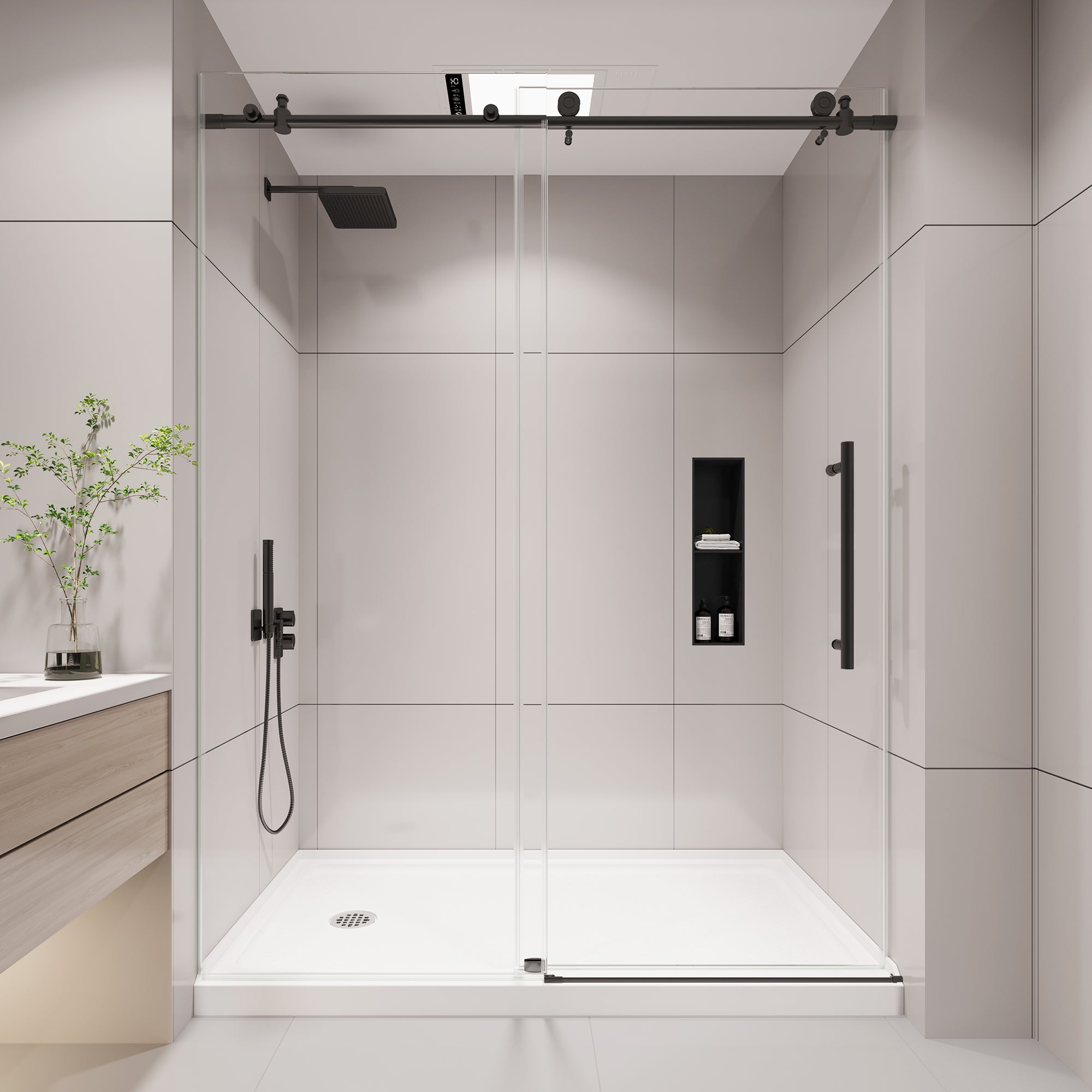
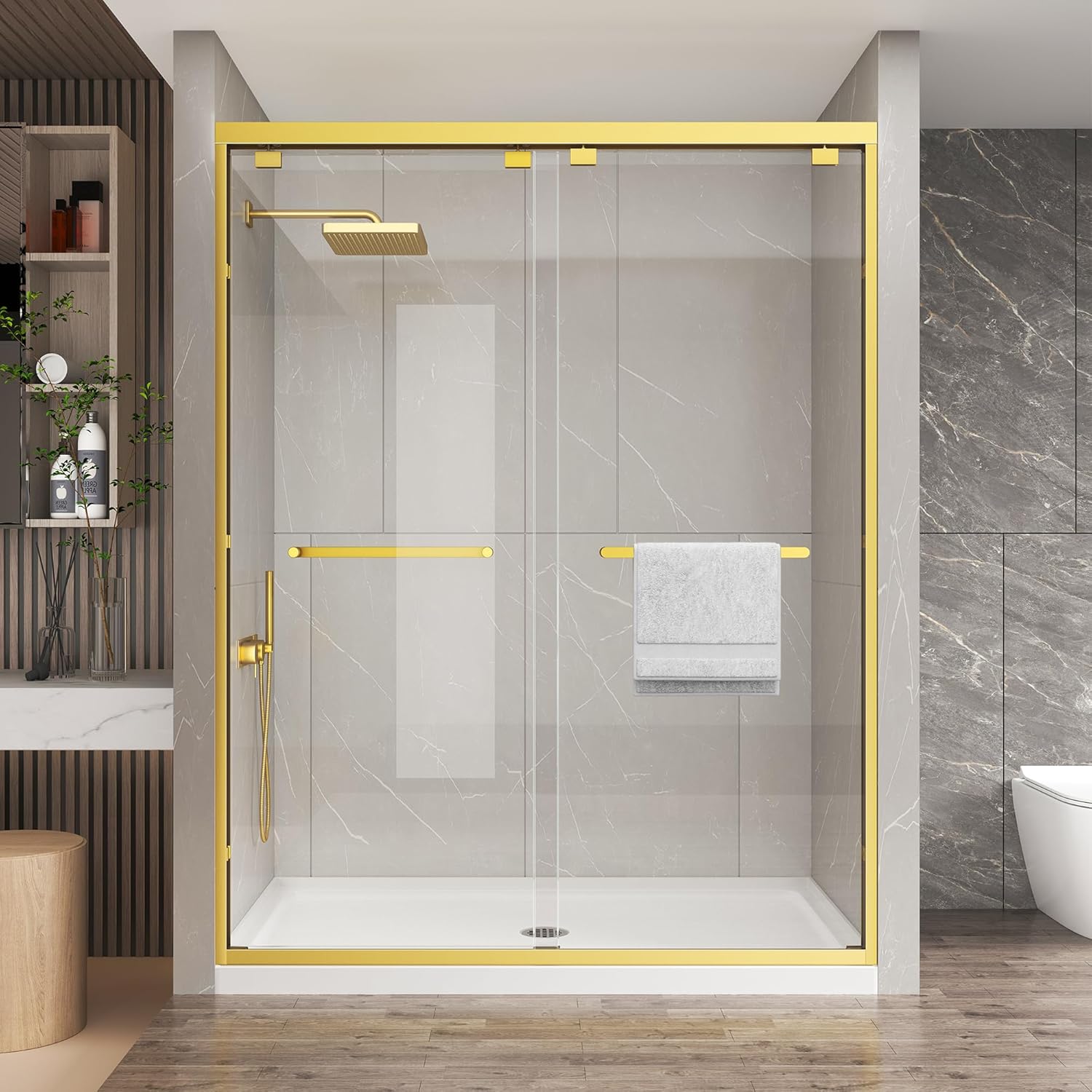
Yes, a pivot shower door can open inward, outward, or both directions, but the real answer depends on the hardware design, the shower layout, and the clearance outside the opening. In a remodel, the bigger question is not just whether the door can swing both ways; it is whether that swing works with the toilet, vanity, towel bars, and the finished opening after tile is installed.
The Short Answer
A pivot shower door can open inward and outward if the hinge or pivot hardware is designed for bi-directional swing. The practical rule is simple: choose the swing direction based on clearance, water control, and code-friendly egress, not on the label alone. If the door would hit a vanity, toilet, or wall trim, a bidirectional pivot may still be the wrong fit even if the hardware allows it.
How Pivot Doors Actually Work
A pivot shower door rotates on top and bottom pivot hardware rather than traditional side hinges. That gives the door a cleaner swing path and can make a bathroom feel less boxed in, especially in tighter layouts. Some pivot systems are made to swing both ways, while others are limited to one direction by design or by stop hardware.
In the field, the door type matters less than the finished opening. Older homes often have walls that are slightly out of plumb, and tile thickness changes the final width more than many homeowners expect. A door that looked fine in the rough opening can feel too tight after the wall finish is installed.
That is why shower door planning should happen after you know the final wall surfaces, curb condition, and swing clearance. If you are still comparing enclosure styles, the KPUY Pivot Shower Doors collection is the most relevant starting point for this type of layout decision.
When Inward and Outward Swing Works
Bidirectional swing makes the most sense when the shower opening has enough room on the outside for the door to open without conflict and enough room inside for the panel to move without striking controls, tile edges, or built-in shelving. It can also help in bathrooms where one swing direction feels awkward but the other direction gives better access for cleaning or entry.
It does not automatically solve a small-bathroom layout. If the door opens outward and meets a vanity door, drawer pull, or toilet tank, the bathroom can become harder to use even if the shower itself is comfortable. A door can fit the opening and still be wrong if it blocks the path to the sink.
- Good fit: the swing clears the vanity, toilet, and towel bars with room to spare.
- Good fit: the opening is wide enough that the door does not feel cramped in either direction.
- Risky fit: the outside swing clips cabinet hardware or a bathroom door casing.
- Risky fit: the inside swing interferes with shower controls or a fixed panel.
- Risky fit: out-of-plumb walls force the door out of alignment after install.
The other thing to watch is water control. A pivot door that swings inward can sometimes help keep water inside while someone steps out, but only if the threshold, sweep, and door seals are designed for that movement. If the curb slopes the wrong way or the sweep does not meet the threshold evenly, water can still escape toward the bathroom floor.
Layout Checks Before You Order
Before you commit to a pivot door that swings both ways, compare the layout conditions below against your bathroom. This is the difference between a door that feels natural and one that becomes a daily annoyance.
| Layout condition | What it usually means | Better approach |
|---|---|---|
| Clear space outside the shower | Outward swing may work without conflict | Check vanity, toilet, and casing clearance first |
| Tight space outside the shower | Outward swing may block circulation | Consider inward-only swing or a different enclosure style |
| Out-of-plumb walls | Door may bind, gap unevenly, or look crooked | Measure top, middle, and bottom widths and check wall straightness |
| Uneven curb or threshold | Water may escape or the sweep may not seat evenly | Confirm curb slope and finished threshold height before ordering |
| Heavy glass with weak wall backing | Hardware can loosen over time | Locate studs or proper blocking before install |
For a full shower-door layout review, the broader KPUY Shower Doors collection is helpful when you are still deciding between pivot, sliding, or fixed-panel options. If your swing clearance is tight, it is often worth comparing it against a sliding layout instead of forcing a pivot door into the space.
What to Measure Before You Choose
Do not measure the old door only. Start with the finished opening and measure the space that will exist after tile, backer, and curb work are complete. A rough opening may look generous, but finished surfaces can take away enough width to change the door choice.
Take width measurements at the top, middle, and bottom of the opening. Also measure both sides for height, because older shower walls may be slightly uneven. A pivot door can tolerate some variation, but it still needs enough room for the glass and hardware to work without rubbing or leaving an awkward gap.
- Measure the finished opening width at the top, middle, and bottom.
- Measure finished height on the left and right sides.
- Check the wall with a level to see whether it leans in or out.
- Measure curb width and confirm the threshold slopes back into the shower.
- Check the space outside the door for vanity drawers, toilet clearance, and nearby trim.
- Confirm where the shower controls sit so the inward swing will not strike them.
- Verify that the wall has solid backing or studs where the hardware will anchor.
One common remodeling surprise is that the door clears the shower opening but fails at the bathroom side. A vanity drawer may clear the room when closed, but a pivot door can still hit the drawer pull or the door casing as it opens. That is why swing path matters as much as width.
For homeowners comparing pivot with a more space-efficient enclosure, a fixed panel or a sliding layout may solve the clearance issue better than forcing a full bidirectional swing. But if the bathroom has enough room and you want a swing entry, a pivot setup can work well when the measurements are honest.
Common Remodel Mistakes
The most expensive mistake is assuming a door that fits the old opening will fit the new one. Tile thickness, curb build-up, and wall finish changes can shift the opening just enough to affect hardware clearance and sealing. Another mistake is ignoring the bathroom side of the door path and checking only the shower side.
Here are the errors that cause the most trouble:
- Measuring the rough opening instead of the finished opening: this can lead to a door that arrives too wide or too narrow.
- Ignoring out-of-plumb walls: the door may swing, but the gaps can look uneven or the panel can bind.
- Skipping threshold checks: a poor curb slope can push water toward the bathroom floor.
- Forgetting hardware clearance: handles, sweeps, and pivots need room to operate cleanly.
- Not checking fixture conflicts: toilets, vanities, and adjacent doors can block outward swing.
- Overlooking wall backing: heavy glass hardware needs secure anchoring, not guesswork.
When the wrong choice is made, the problem is usually not subtle. The door may scrape, leak at the threshold, swing into a cabinet, or force the user to step sideways out of the shower. Those are layout problems, not minor annoyances, and they are much easier to prevent before ordering than after tile is complete.
Choosing a Swing Direction That Controls Water
If a pivot door can swing both ways, the best direction still depends on how water moves in the shower. Inward swing can help keep spray inside the shower footprint during entry and exit, but outward swing may be more comfortable in some layouts. The right choice depends on the threshold, sweep contact, and where the shower head throws water.
Pay attention to the curb and floor slope. A curb that looks flat may still send water toward the bathroom floor if it is out of pitch. The door itself cannot fix that. If the base or curb is not controlling water properly, the door swing direction becomes a secondary issue.
For remodels where the shower pan and threshold are being replaced, the base should be checked before the door is finalized. A shower base can fit the footprint but still fail if the drain rough-in is wrong or the threshold slope does not work with the door sweep. In those cases, start with proper base planning and then size the door around the finished condition.
If your project is more about the floor and threshold than the door itself, the Shower Bases collection is the better place to begin. If you are planning the glass enclosure after the base is settled, keep the door hardware and swing path aligned with the threshold location.
Frequently Asked Questions
Can a pivot shower door swing both inward and outward in every bathroom?
No. The hardware may allow bidirectional swing, but the bathroom layout has to support it. Check for vanity, toilet, and trim clearance on the outside, and check controls and tile edges on the inside. If either direction causes a conflict, the door may need a single-direction swing or a different shower style.
Is inward swing better than outward swing for a pivot shower door?
Neither is automatically better. Inward swing can help in tight bathrooms because it keeps the shower path cleaner, but it must not strike shower fixtures or reduce the usable entry too much. Outward swing can feel easier to use, but only if it clears nearby cabinets, doors, and plumbing fixtures.
Do I measure a pivot shower door opening before or after tile?
Measure after the wall finish is in place, or at least with the finished dimensions clearly planned. Tile thickness, waterproofing layers, and curb build-up change the final opening. A finished opening measurement is the one that matters for door fit, not the rough framing size behind the wall.
What to Check Next
If you want a pivot shower door that opens inward and outward, start with three checks: the finished opening, the clear swing path, and the threshold/water-control details. If any of those are uncertain, fix the layout first and choose the door second. For homeowners comparing enclosure styles, the most practical next step is to review pivot shower doors alongside the rest of the shower opening so the hardware, swing, and finished dimensions all match the remodel.

Leave a comment
All comments are moderated before being published.
This site is protected by hCaptcha and the hCaptcha Privacy Policy and Terms of Service apply.