
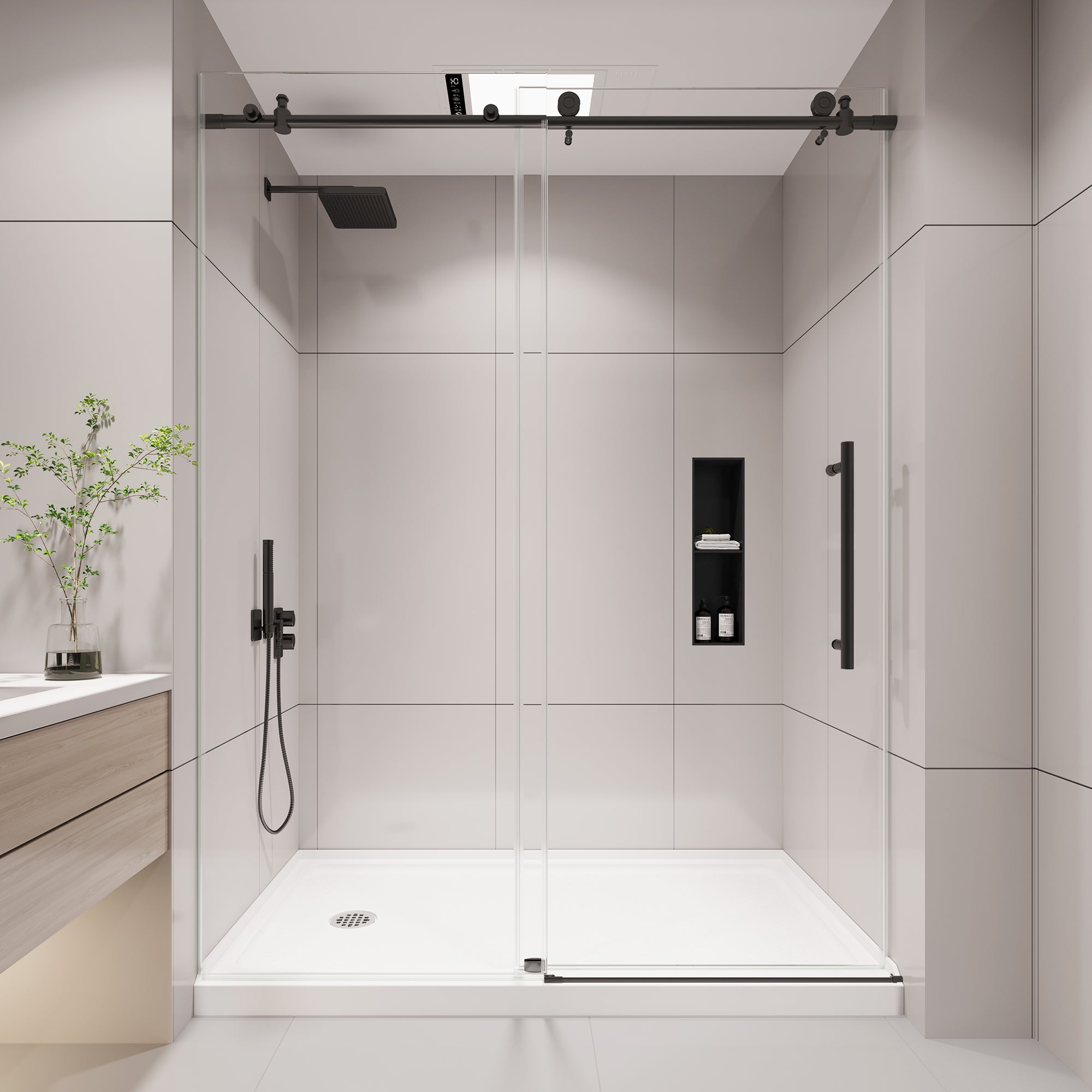
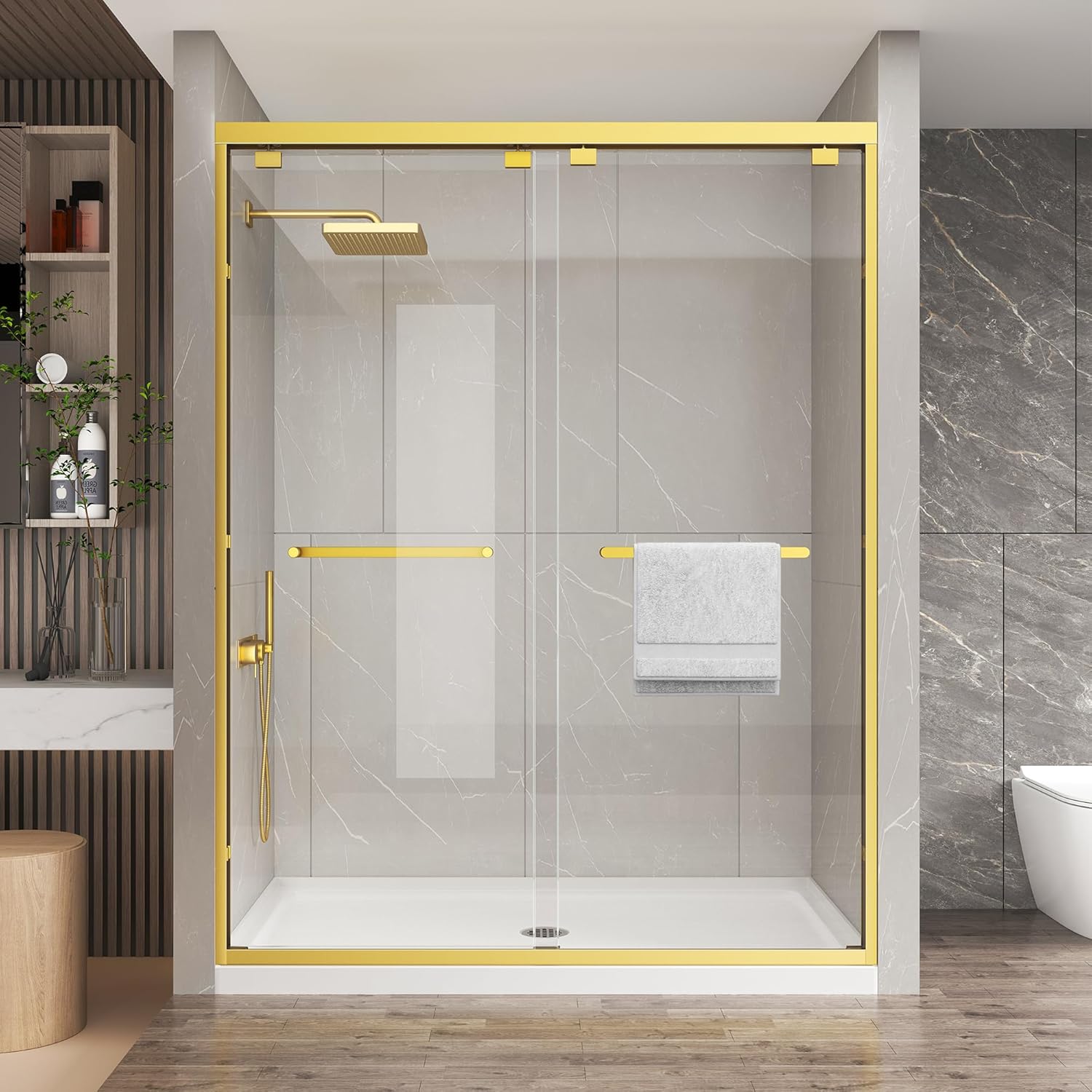
Black shower doors are still in style in 2026, but they are no longer just a trend piece. Homeowners are using matte black hardware to add contrast, define the shower opening, and tie together mixed finishes in bathrooms that lean more practical than decorative. The key is fit: black works best when the door style, glass thickness, wall finish, and surrounding fixtures support it.
The Short Answer
Yes, black shower doors are still in style in 2026. Matte black hardware remains a strong choice for bathrooms that need contrast, cleaner lines, and a more defined shower opening. The finish is popular, but it works best when the enclosure fits the room, the glass layout is practical, and the rest of the bathroom does not fight the look.
Why Black Shower Doors Still Work in 2026
Black shower doors continue to fit current bathroom design because they solve a visual problem many remodels have: too much sameness. White tile, light stone, pale walls, and chrome trim can blur together in a small bathroom. A black frame or black hardware gives the shower a clear outline. That makes the enclosure read as a finished architectural element instead of a leftover utility item.
They also work in both newer and older homes. In a new build, black hardware can coordinate with other dark accents, linear lighting, or modern cabinetry. In a remodel, it can help a dated shower feel more intentional without changing the entire room. For homeowners planning around a Black Shower Doors collection, the real question is not whether black is in style. It is whether the finish suits the room’s size, light level, and maintenance expectations.
Another reason the look has held up is that black is flexible. It pairs with clear glass, frosted glass, white tile, wood vanities, concrete-look surfaces, and most metal fixture finishes if the palette is handled carefully. It does not demand a full black-and-white bathroom. It just needs enough contrast to feel deliberate.
According to the NKBA, bathroom planning works best when design choices support both function and daily use. That is one reason black shower doors have staying power: they can be part of a practical remodel, not just a visual statement.
Where Black Can Miss the Mark
Black shower doors are not the right answer in every bathroom. A finish that looks sharp in a photo can feel too heavy in a narrow room with little natural light. Dark lines absorb attention, so in a small bath with a low ceiling, too much black hardware can make the shower feel visually tighter than it really is.
They can also expose dust, water spots, and soap residue more clearly than some other finishes. That does not make them hard to maintain, but it does mean homeowners should be realistic about cleaning habits. If a bathroom has hard water, poor ventilation, or heavy daily use, black hardware will still look good, but it will show buildup if it is ignored.
It is also worth matching the finish to the rest of the room. If the bathroom already has warm brass tones, busy stone patterns, and heavy wood grain, black hardware may feel like one visual layer too many. In those cases, a simpler glass layout or lighter trim may be a better fit than forcing a trend.
- Use black when you want a stronger frame around the shower opening.
- Avoid overusing it in very dark, narrow, or low-light bathrooms.
- Check cleaning expectations if your water leaves mineral spots.
- Coordinate the room so the finish looks intentional, not accidental.
How to Choose the Right Setup
The style question matters, but the layout matters more. Black hardware looks best when the enclosure is the right type for the bathroom. A frameless enclosure keeps the look lighter and more open. A framed or semi-framed option adds more visual definition, which can be useful in a bathroom that needs stronger edges. If the opening is tight, the movement of the door matters as much as the color.
For homeowners comparing layout options, think in terms of use case rather than trend. A sliding door saves swing clearance. A pivot door needs room to open. A fixed panel can make a shower feel more open, but it must still control splash. If the bathroom has an alcove or a tight traffic path, the right door layout will matter far more than finish color.
| Decision Factor | Black Shower Doors Work Best When... | Be Careful When... |
|---|---|---|
| Room size | The shower opening needs visual definition | The bathroom is very small or poorly lit |
| Door style | The layout matches the room flow | The swing or track interferes with daily use |
| Maintenance | You are comfortable wiping hardware and glass regularly | Hard water and soap film build up quickly |
| Design mix | Other finishes are simple and coordinated | The room already has too many competing accents |
| Remodel type | The shower opening is being measured after tile is complete | You are relying on rough measurements only |
For rooms where the enclosure needs to feel clean and unobtrusive, a black finish can still work if the glass remains visually open. That is one reason many homeowners look at the Frameless Shower Doors category alongside black hardware. The finish gives contrast; the frameless look keeps the shower from feeling boxed in.

Measurement and Installation Considerations
Black shower doors are a design choice, but they still live or die by the measurement. Start with the finished opening, not the rough opening. Tile thickness, backer board, trim pieces, and finished wall surfaces change the final dimensions. A shower opening may measure differently at the top, middle, and bottom, especially in older homes where the walls are not perfectly plumb.
That is one of the most common jobsite realities: a wall can look square to the eye and still lean enough to affect door fit. Another common surprise is a floor that slopes slightly away from where the new base needs to sit. If the drain location, curb height, or threshold is off, the enclosure can be harder to install neatly, even if the glass style is right.
The same goes for hardware. Black finishes show alignment issues easily. If wall anchors miss a stud zone, if the jamb is forced on a bowed wall, or if the door track is slightly out of line, the eye catches it fast. That does not mean black is hard to install. It means the layout has to be tighter.
- Measure the opening at the top, middle, and bottom after all wall surfaces are finished.
- Check plumb on both side walls and note any lean or bow.
- Confirm the shower base, curb, or threshold height before ordering glass.
- Verify door swing clearance, track length, or fixed-panel width based on the layout.
- Locate studs and plan for solid fastening points where the hardware will land.
- Review drain placement, curb slope, and water containment details before final installation.
- Allow room for silicone joints and hardware clearance so the door operates cleanly.
If the remodel includes a new shower base, the drain location and threshold height need to match the door plan. A base that fits the footprint still needs the drain to land in the right place, and a curb that looks minor on paper can affect how the glass seals and where the door lands. For that part of the project, the Shower Bases collection is the more relevant place to start, because the base dimensions affect the final opening more than most homeowners expect.
Black hardware also needs thoughtful sealing. Silicone lines should be clean, not overbuilt. The goal is water containment, not a heavy bead that looks like a fix for a bad fit. If the enclosure is a sliding style, the track must be level and aligned so the panels move smoothly. If it is a pivot style, the hinge side must be solid and the swing path must clear the vanity, toilet, or towel bar.
In smaller bathrooms, a sliding layout often works better than a swing door because it preserves floor space. In tighter alcove installations, the track and wall conditions matter more than the finish color. That is why KPUY’s Sliding Shower Doors collection is worth reviewing when the opening is narrow or the room has limited swing clearance.
According to the CPSC, home safety should be part of product selection and installation planning. That is especially true with glass shower enclosures, where proper installation, secure anchoring, and tempered glass considerations all matter.
Black Finish vs. Other Finish Priorities
Matte black is not the only finish that can work, but it is one of the easiest ways to sharpen the look of a shower without redesigning the whole room. The choice comes down to what you want the bathroom to feel like after the remodel.
Black creates contrast and structure. Brighter metal finishes tend to read softer and can disappear more easily into the background. If the room has a lot of white tile or light stone, black gives a stronger outline. If the room already has heavy contrast or dark surfaces, black can become too dominant. The finish should support the enclosure, not make the shower the only thing people see.
From a practical standpoint, black works well when the homeowner wants the shower hardware to coordinate with mirrors, faucets, light fixtures, or cabinet pulls. The room does not need matching everything, but the finish family should feel consistent. This is where restraint matters. A few black elements can look deliberate. Too many can make the room feel overdesigned.
For bathrooms where visual openness matters more than frame color, clear glass and minimal hardware often matter more than the finish itself. The black line can still be part of that look as long as the hardware stays light in profile.
Here is a simple way to think about it:
- Choose black if you want stronger contrast and clearer shower definition.
- Choose lighter finishes if the room is already visually busy or too dark.
- Choose frameless or low-profile hardware if openness matters more than bold trim.
- Choose a finish that matches use, not just the latest trend photos.

Frequently Asked Questions
Are black shower doors harder to keep clean?
They are not harder to clean in a major way, but they can show water spots, dust, and soap residue more clearly than some lighter finishes. A quick wipe-down after use and regular glass cleaning will keep them looking sharp. If your home has hard water, plan on more frequent maintenance around the glass and hardware.
Do black shower doors make a small bathroom look smaller?
They can if the room is already dark or crowded. In a small bathroom with enough light, black hardware often helps define the shower instead of shrinking it visually. The result depends on glass transparency, wall color, and how much contrast already exists in the room.
What matters more than the finish when choosing a shower door?
Measurement and layout matter more than color. The finished opening, wall plumb, swing clearance, track alignment, and shower base dimensions all affect how the door performs. A black finish can look good, but if the door type does not fit the room, the installation will still feel wrong.
Final Takeaway
Black shower doors are still in style in 2026 because they do more than follow a trend. They add contrast, help define the shower opening, and fit a wide range of bathroom styles. The finish works best when the door type matches the room, the glass dimensions are measured after the walls are finished, and the installation accounts for real-world conditions like plumb, slope, and clearance.
If you are planning a remodel and want to compare enclosure styles before ordering, start with the opening first and the finish second. For homeowners who want to explore a focused black hardware option, the Black Shower Doors collection is a practical place to review layouts that fit the room instead of forcing the room to fit the style.

Leave a comment
All comments are moderated before being published.
This site is protected by hCaptcha and the hCaptcha Privacy Policy and Terms of Service apply.