
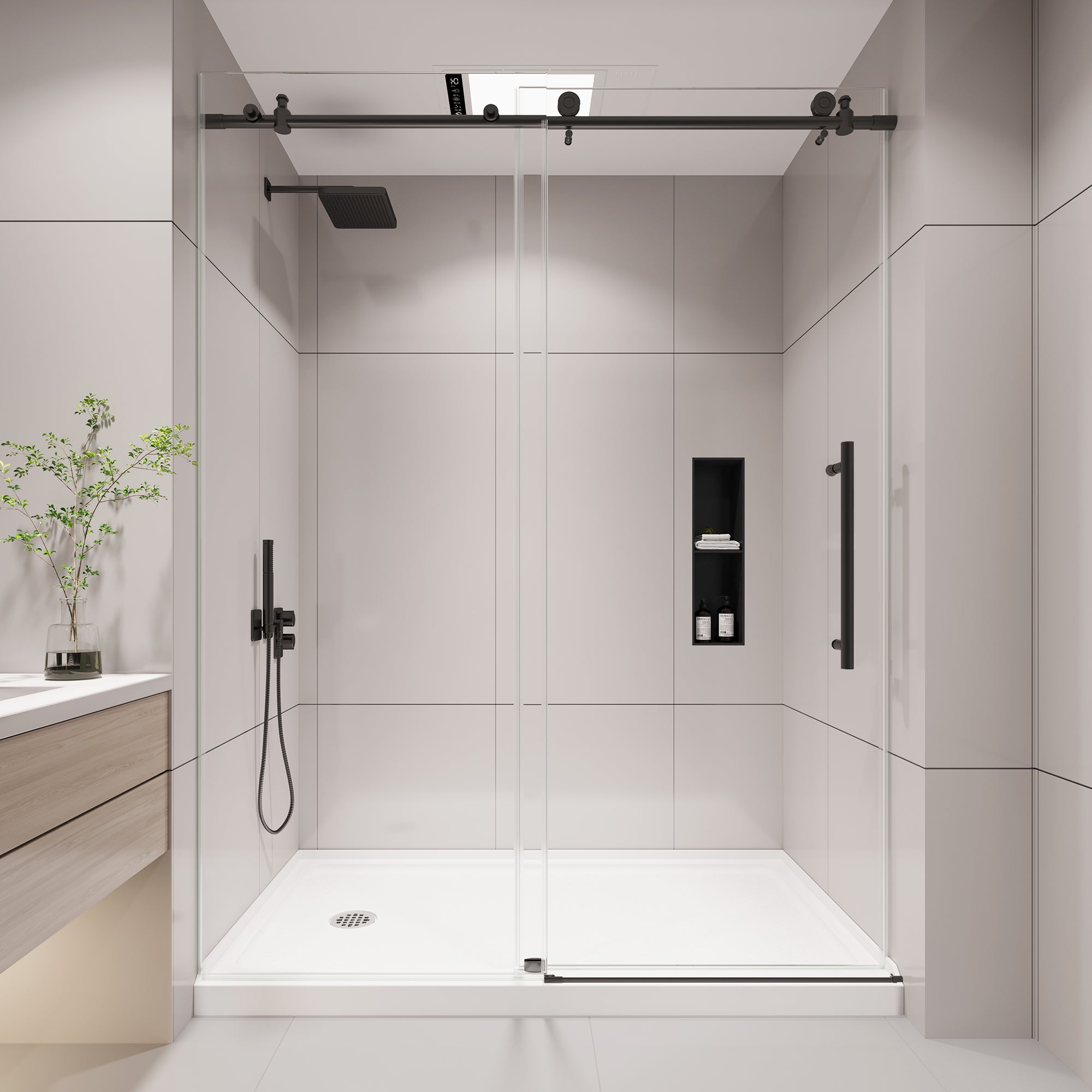
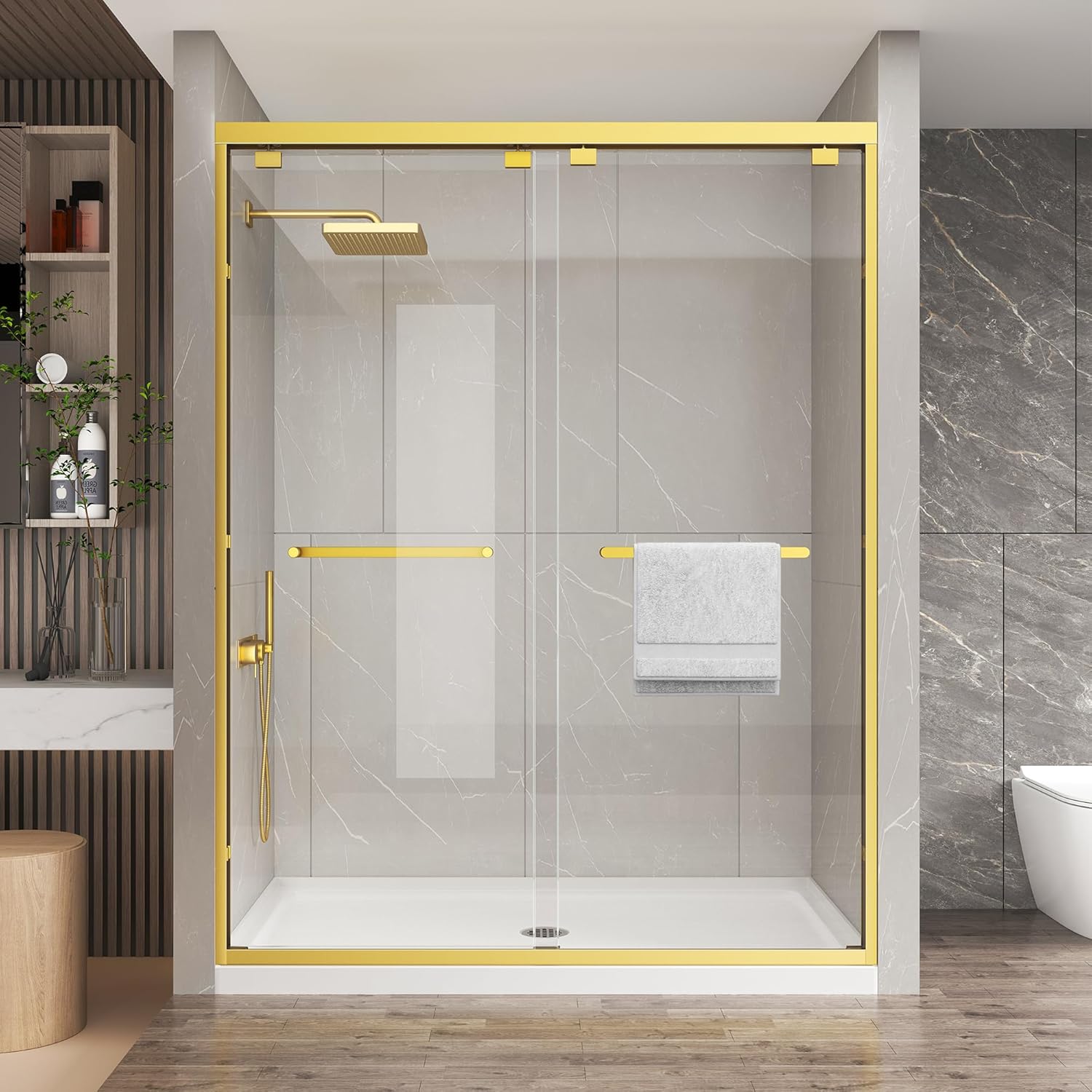
Cleaning a shower should not feel like a weekly demolition project. For homeowners planning a remodel in 2026, the easiest-to-clean shower door styles are usually the ones with fewer tracks, fewer ledges, and fewer places for soap residue and mildew to build up. In most bathrooms, that points toward frameless glass, fixed panels, or simple sliding layouts with smooth, accessible hardware.
The Short Answer
The easiest shower door styles to clean are usually frameless shower doors, fixed glass panels, and simpler sliding doors with minimal track buildup. Fewer frames, gaskets, and bottom channels mean fewer places for soap scum and hard-water film to collect. For many remodels, the best choice depends on space, splash control, and how much maintenance you want to live with day to day.
What Makes a Shower Door Easy to Clean
Cleaning effort is driven more by the door’s details than by the general category. A shower door can look simple but still be annoying to maintain if it has deep bottom tracks, overlapping rails, exposed seals, or heavy trim around every edge. The cleaner the profile, the easier the wipe-down.
From a remodeling standpoint, the main things that affect cleaning are:
- Track depth: Deep channels collect grime, standing water, and residue.
- Frame count: More frame pieces mean more corners to scrub.
- Seal complexity: Multiple vinyl sweeps and gaskets trap dirt over time.
- Glass access: Full-height glass is easier to squeegee than glass broken up by rails.
- Water control: The less overspray outside the shower, the less wiping the rest of the bath needs.
Older homes often have walls that are not perfectly plumb. That matters because a door that fits poorly tends to leak more, and any leak means more cleaning around the curb, floor tile, and outside corners. Good fit is not just an installation issue; it affects maintenance for years.
If you are still comparing door styles, the KPUY Shower Doors collection is a useful starting point for seeing the different layout options in one place.
NKBA planning guidance is also worth keeping in mind if you are trying to balance easy cleaning with everyday comfort, clearance, and practical bathroom use.
Style Comparison
| Door style | Cleaning effort | Main advantage | Main tradeoff |
|---|---|---|---|
| Frameless shower door | Low | Few frame pieces and easier glass access | Needs accurate installation and better splash control planning |
| Fixed glass panel | Low | Very simple surface to wipe down | Less enclosure, so layout and spray direction matter more |
| Sliding shower door | Medium | No swing clearance required | Tracks and overlaps can collect residue |
| Pivot or hinged door | Medium | Wide opening and straightforward glass surface | Needs clear swing space and well-sealed edges |
| Framed door | Higher | Can be practical for some openings and budgets | More corners, trim, and channels to clean |
The table is the short version: if cleaning is the top priority, reduce the number of hidden corners. If space is tight, a sliding or fixed-panel layout may make more sense than a door that swings into the room. If the bathroom is already small, the easiest door to clean is still the one that fits correctly and keeps water in the shower.
Measurement and Installation Details
Easy cleaning starts before the glass is installed. A sloppy opening leads to leaks, and leaks create cleaning work. Start with the finished opening, not the old product label or the rough framing dimension. Tile thickness, backer board, and finished wall build-out all change the actual size.
Measure the opening at the top, middle, and bottom. A shower opening may be slightly different at each point, especially in an older house or after tile work that added thickness unevenly. Also check the walls for plumb and the threshold for level. A base that looks square in the room can still be out at the curb or off at the corners.
Drain location matters too, especially if you are also replacing the base. A drain that looks centered in the old shower may not line up with the new shower base footprint. If the drain and base are mismatched, the installer may need adjustments that affect slope, water containment, or door placement.
For shower floor planning and threshold decisions, the Shower Bases collection can help you think through base shape, curb height, and drain layout before you commit to the door.
Here is a practical order of operations that reduces surprises:
- Confirm the finished wall surfaces, including tile thickness and any backer board buildup.
- Measure the opening at the top, middle, and bottom.
- Check wall plumb and floor slope at the curb or threshold.
- Verify drain location against the selected base design.
- Confirm swing clearance if the door pivots outward.
- Check stud locations and anchor points before final glass ordering.
- Plan silicone sealing locations and where water might escape.
That last step is often overlooked. A shower door can fit the opening and still clean poorly if the bottom sweep is wrong, the side seal is too tight, or the overlap traps residue. Cleanability is part of the install plan, not just a post-install chore.

Finish and Hardware Choices
Hardware does not just affect style. It affects cleaning. Smooth, simple hardware is easier to wipe down than ornate trim or deeply layered framing. For many homeowners, a frameless or minimally framed look reduces visual clutter and reduces the number of surfaces that collect soap film.
Glass thickness also matters. Thicker glass is common in frameless layouts, but it still needs enough structural support and clearance around the hinges or clips. If hardware is crowded against tile edges or a nearby vanity, cleaning gets awkward fast. Leave enough clearance so a towel or squeegee can move across the glass without catching on hardware.
Finish choice can help or hurt maintenance in a real bathroom. Matte black hardware can look sharp against light tile, but hard-water spots may show on the glass before they show on the finish. Brushed nickel can feel more forgiving in some lighting. The right answer depends on the room’s water quality, lighting, and how much contrast you want.
Also think about the rest of the room. A vanity drawer may clear the floor in a floor plan sketch, yet still hit the door casing after the tile is installed. A pivot door may swing cleanly on paper and still interfere with a toilet paper holder or towel bar once the room is finished. These are small issues that become daily annoyances if they are missed early.
Door styles that usually clean up easiest
- Frameless hinged doors with minimal hardware and simple seals.
- Fixed panels in walk-in layouts with good floor slope and splash control.
- Straight sliding doors with accessible glass and manageable track design.
Door styles that usually need more upkeep
- Deep-framed doors with multiple corners and lower channels.
- Track systems that trap soap residue inside narrow rails.
- Layouts with poor curb slope that let water sit at the threshold.
For homeowners leaning toward a cleaner-lined glass enclosure, Frameless Shower Doors are often the most straightforward option to evaluate because the design naturally limits the number of places where buildup can hide.
Safety note: any shower glass should be selected and installed with tempered safety glass requirements and local code in mind. For basic home-safety context, CPSC is a credible place to review general consumer safety guidance.

Practical Cleaning Habits
The easiest-to-clean door still needs regular care. The goal is to make cleaning quick, not nonexistent. In a typical remodel, the homeowner who wipes glass after showering usually keeps buildup low enough that deep scrubbing is rare. The homeowner who waits for haze and scale to build up will spend more time on every surface, no matter the door style.
A few habits make a real difference:
- Use a squeegee after showering to reduce mineral spots.
- Keep ventilation working so moisture does not sit on the glass and frame.
- Check the bottom seal if you notice water outside the shower.
- Clean tracks and channels before residue hardens.
- Rinse heavy soap products away from hinges and seals.
Water containment is the key issue. If the shower leaks at the curb or around the return panel, the outside floor gets more mopping and the door itself gets harder to maintain. A properly sloped curb, correctly placed seal, and good glass alignment matter more than most homeowners expect.
Plumbing and code details may vary by jurisdiction, especially in remodels that change shower size or drain location. For code context, the IAPMO resource library can be useful when you want a neutral reference point before finalizing the layout.
Frequently Asked Questions
Are frameless shower doors always easier to clean than framed ones?
Usually, yes. Frameless doors have fewer channels and frame pieces where soap scum can collect. That said, installation quality still matters. If the door does not seal correctly or the curb slopes poorly, cleaning gets harder no matter how simple the glass looks.
Do sliding shower doors clean worse because of the tracks?
They can. Sliding doors often have bottom tracks or overlapping components that need regular wiping. If space demands a sliding layout, choose one with smooth access, simple track geometry, and good water control. A well-planned sliding door is still practical in many bathrooms.
What matters more for easy cleaning: the door style or the shower layout?
The layout usually matters more. A fixed panel or frameless door in a shower with poor slope and splash control will still create cleaning problems. Start with the base, threshold, and opening size, then choose the door style that fits the room and keeps water where it belongs.
Final Takeaway
If easier cleaning is your main goal, start with the fewest possible places for buildup to hide. In most remodels, that means a frameless door, a fixed glass panel, or a simple sliding layout with cleanable tracks and good water containment. Measure the finished opening carefully, account for tile thickness and wall plumb, and plan the shower base and door together.
If you are comparing layouts and want to narrow the field before ordering, the KPUY Shower Doors collection is a practical place to review the main options, then match the style to your opening, splash pattern, and maintenance tolerance.

Leave a comment
All comments are moderated before being published.
This site is protected by hCaptcha and the hCaptcha Privacy Policy and Terms of Service apply.