
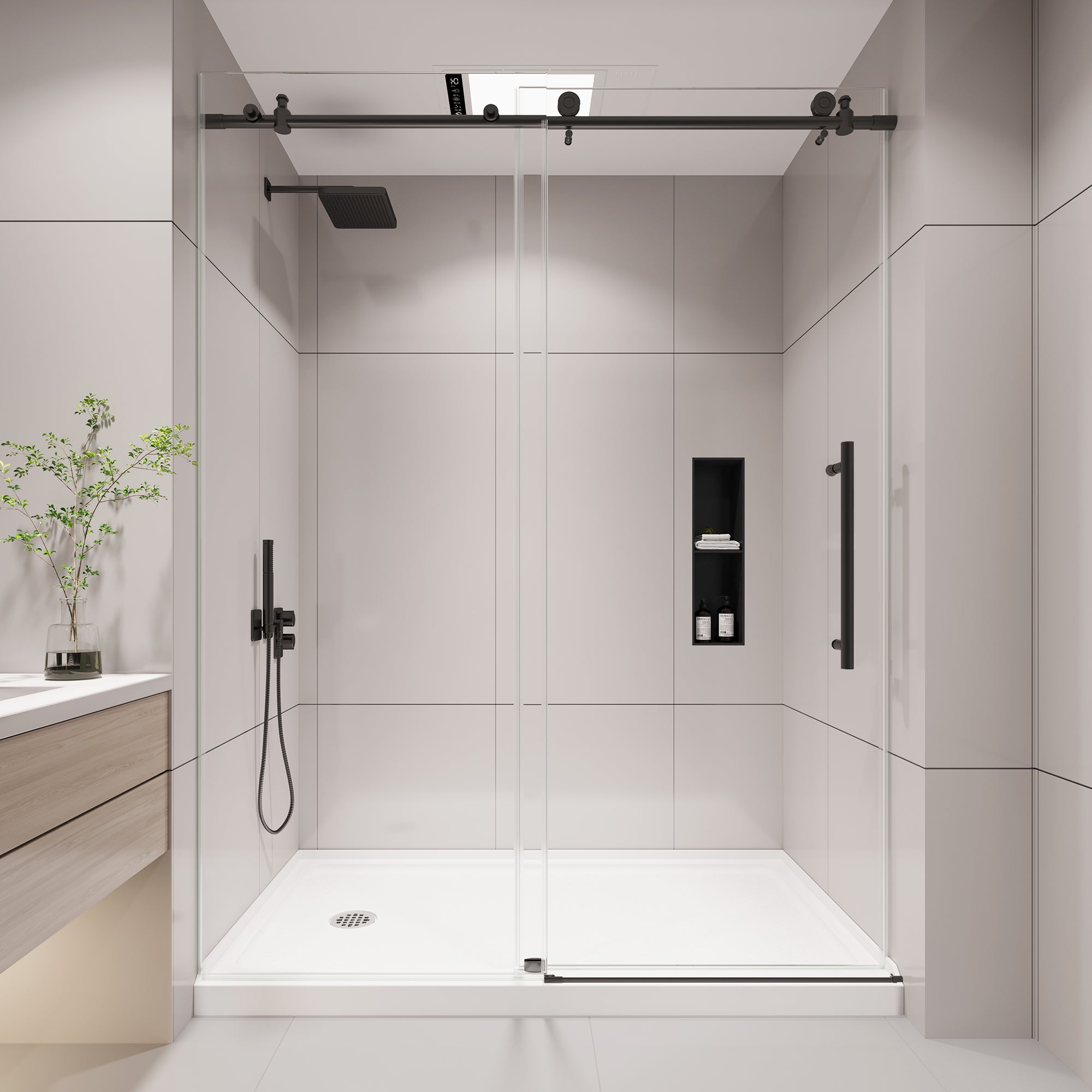
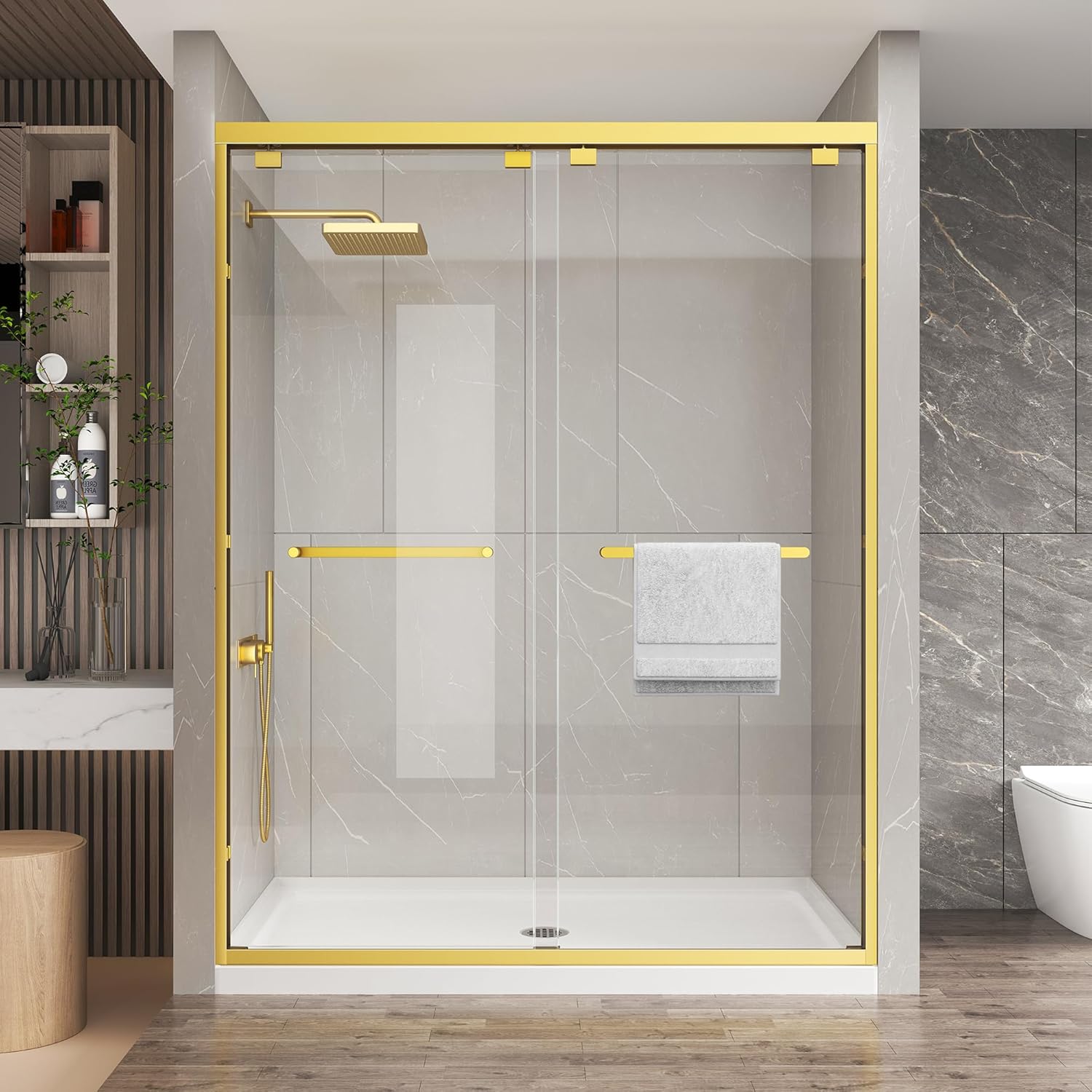
Most homeowners want a bathtub screen that stays clear of soap scum, resists hard-water spots, and installs without a week of call-backs. As a contractor who's been on thousands of bathroom remodels, I can tell you the trend for 2026 is simple: streamlined glass panels with durable hydrophobic coatings, slimmer metalwork, and solutions that tolerate imperfect walls. This guide cuts through marketing claims and gives practical picks, real jobsite tips, and clear installation tolerances so you get a screen that cleans easily and lasts.
Quick answer: Best easy-clean bathtub screens in one line
For most American bathrooms a 6–10mm tempered frameless or semi-frameless fixed panel with a factory-applied hydrophobic/anti-lime coating and stainless-steel hardware gives the best balance of low-maintenance cleaning and field tolerance. If walls are out-of-plumb, choose a screen with adjustment channels or a pivot hinge to absorb up to 3/8" of deviation per side.
What to look for in an easy-clean bathtub screen
When shopping or specifying a bathtub screen, here are the non-negotiables I use on job sites:
- Tempered glass per ANSI Z97.1 — make sure the panel is certified tempered safety glass. Typical thickness options are 6mm (1/4"), 8mm (5/16"), and 10mm (3/8"). Thicker glass reduces deflection and water drip-back.
- Hydrophobic / durable coatings — look for long-lasting coatings that are factory-applied and backed by manufacturer warranties. They drastically reduce cleaning time.
- Hardware material — 316 or 304 stainless steel for coastal or high-humidity homes; powder-coated aluminum for budget jobs but expect more wear in hard water.
- Seals and sweep design — continuous bottom sweeps and adjustable edge seals prevent water escape without trapping soap scum in unreachable gaps.
- Serviceability — hinges and bearings that can be tightened or replaced without removing the glass.
For homeowners who want the product collection option, check focused selections like Bathroom Screens to compare frameless and semi-frameless models with coating options.
Top options for 2026 bathrooms (types and when to use them)
Below I list the practical screen types you’ll encounter and the job conditions where they earn their keep.
| Type | Glass Thickness | Best For | Maintenance |
|---|---|---|---|
| Fixed frameless panel | 8–10mm | Modern bathrooms with straight walls; best for tubs against one wall | Low — wipe and squeegee, hydrophobic coatings hold up |
| Folding/bifold screen | 6–8mm | Small baths where swing clearance is limited | Medium — hinges need occasional lubrication and cleaning |
| Semi-frameless hinged | 6–8mm | Older homes with slightly out-of-plumb walls | Low-to-medium — frame channels can trap grime unless sealed well |
| Sliding 2-panel | 6–8mm | Tub alcoves needing full curtain replacement; good for families | Medium — track cleaning required |
Why coatings matter more than you think
I've swapped more shower doors in the past decade over coating failures than failed glass. A decent hydrophobic coating keeps hard-water mineral buildup from bonding to the glass. Without it, owners end up using acidic cleaners that dull finishes and attack metalwork. Ask for warranty-backed coatings and inspect a sample if possible.
Note on standards: tempered glass used for bathtub screens should meet ANSI Z97.1 safety glazing requirements — check the product spec or ask the supplier for certification documentation. For general design guidance and durable finish recommendations, industry guidance from the National Kitchen & Bath Association is helpful: NKBA.

Installation and measurement tips for contractors and savvy DIYers
Field conditions demand practical allowances. I keep this checklist on every measurement job:
- Measure at three heights (top, middle, bottom) and both sides for out-of-plumb walls. Record the worst-case deviation.
- Allow a 1/8"–1/4" glass tolerance per side for seal compression; if walls are out-of-plumb more than 3/8", plan on shim channels or custom fabrication.
- Verify curb slope and tile run-out — a poorly sloped curb will leave a puddle even with a perfect screen.
- Check rough-in and drain location before ordering screens that terminate over the tub rim; swings and folding panels must clear showerheads and plumbing trim.
- Order with exact height to the top of finished tile, not to drywall or temporary surface.
Real jobsite note: On a 1950s bungalow I remodeled, the tub alcove wall was out-of-plumb by nearly 5/8" across 60". A frameless fixed panel with no adjustment would have leaked or looked off. We used a semi-frameless panel with a 3/8" adjustable channel and shimmed the channel into a stainless backer that tied into the tub flange. The tolerance saved a custom glass order and avoided re-tiling.
If you need design flexibility, I recommend checking an array of finishes and sizes at a trusted supplier like Bathroom Screens. Order samples of the seal and hardware finish when possible — they’re small investments that prevent costly returns.
For product safety and installation guidance on glazing, you can reference the Consumer Product Safety Commission for general safety information: CPSC.

Cleaning and maintenance: routines that actually work
Cleaning routines make or break the "easy-clean" promise. Here is what I tell homeowners and property managers:
- Daily: 10–15 second squeegee after the last shower — best single habit to prevent buildup.
- Weekly: Mild pH-neutral cleaner or a 50/50 mix of white vinegar and water applied, then rinsed. Never use abrasive pads on coated glass.
- Quarterly: Inspect seals and sweeps. Tighten hinges and apply a small amount of silicone-safe lubricant to pivot points.
- Don’t: Use harsh acidic cleaners frequently — they strip coatings and corrode hardware.
Pro tip: If a screen develops stubborn mineral spots, use a paste of baking soda and water applied gently with a microfiber cloth, followed by a rinse and squeegee. For homes with very hard water, consider a water softener or point-of-use rinse to extend the coating life.
Frequently asked questions
Are frameless bathtub screens harder to keep clean than framed ones?
Not if they have a quality hydrophobic coating. Frameless screens have fewer channels to trap grime and, with thicker glass, less flex. Framed screens can hide wear longer but their channels require more regular cleaning. My on-site experience shows frameless with coatings win for maintenance when installed on relatively plumb walls.
What glass thickness should I choose for a bathtub screen?
For most installations choose 8mm (5/16") or 10mm (3/8") tempered glass. 8mm balances cost and stiffness; 10mm is stiffer, reduces vibration, and looks premium. If the panel spans unsupported areas or a pivot hinge is used, step up to 10mm.
Can I install a bathtub screen in an old house with crooked walls?
Yes. Use adjustable channels, semi-frameless options, or order custom glass with a legalistic measurement that accounts for tile depth and grout lines. Expect to shim and use backer plates where anchors are weak. If walls are more than 3/8" out-of-plumb, plan for custom solutions to maintain proper sealing and avoid stress on the glass.
Final notes
Picking the right easy-clean bathtub screen is about matching the product’s tolerances and materials to your actual site conditions. Prioritize tempered glass certified to ANSI Z97.1, durable hydrophobic coatings, and stainless hardware. Measure carefully, account for out-of-plumb conditions, and establish a straightforward cleaning routine — that combination minimizes headaches for years. For a curated selection of screens designed with those practical traits in mind, review the Bathroom Screens collection.

Leave a comment
All comments are moderated before being published.
This site is protected by hCaptcha and the hCaptcha Privacy Policy and Terms of Service apply.