
Choosing between an alcove bathtub and a freestanding bathtub is one of the first real decisions you’ll make in a bathroom remodel. As a contractor with 20+ years in the field, I’ve seen projects delayed and budgets blown because homeowners picked a tub that didn’t match the space, rough-in, or real-world conditions behind the walls. 2026 trends favor comfort and spa-like features, but walls that aren’t plumb and old cast-iron drains still exist—so practical choices beat looks alone.
Quick answer (featured snippet)
Alcove bathtubs are best when you need efficient use of space, lower installed cost, and easier shower conversion. Freestanding bathtubs are chosen for style and a statement aesthetic but require more floor space, different plumbing locations, and careful floor reinforcement. If you need the shortest path from demolition to a working bathroom, pick an alcove. If you’re renovating for a primary suite with open sightlines and you can handle the extra install costs, a freestanding tub makes sense.
What is an alcove bathtub?
An alcove tub (also called a recessed tub) fits into a three-wall enclosure and is the workhorse of American bathrooms. It commonly measures 60" long by 30–32" wide for a standard tub, and it’s frequently used as a tub-shower combo. The rim of the tub sits against the finished walls and interacts with the tile and shower surround—so wall flatness and waterproofing matter.
Strengths of alcove tubs include:
- Cost-effective installation — simpler framing and standard drain rough-ins.
- Works with existing rough-ins — standard 60" rough-in layouts are common.
- Better for tub-shower combos — easier to install a shower rod or door on alcoves.
What is a freestanding bathtub?
Freestanding tubs are sculptural fixtures set away from walls. They come in many shapes—oval, slipper, clawfoot—and materials including acrylic, cast iron, and stone-resin. Unlike alcove tubs, freestanding tubs often require the plumbing to be floor-mounted (floor-mount filler) or an exposed wall rough-in that meets the tub placement.
Key considerations for freestanding tubs:
- Floor load and reinforcement — cast-iron tubs can exceed 500 lbs when filled; check subfloor and joists.
- Plumbing location — floor drain or relocated wall rough-in increases complexity.
- Clearances — you need more walking space around the tub for access and cleaning.

Side-by-side comparison
| Feature | Alcove Tub | Freestanding Tub |
|---|---|---|
| Typical footprint | 60" x 30–32" | 60" x 32–36"+ depending on style |
| Rough-in tolerance | Standard wall drain; +/- 1/2" tolerance | Often requires precise floor drain or relocated rough-in |
| Installation difficulty | Lower — attaches to studs and tile | Higher — floor reinforcement and unique plumbing |
| Cost (materials + labor) | Lower | Higher |
| Conversion to shower | Easy | Complicated |
| Design impact | Functional | Statement piece |
Sizing, rough-ins & practical constraints
Before you buy, verify these on-site measurements and conditions. I’ve been on dozens of demos where one missed measurement added days and hundreds in cost.
- Measure the existing rough-in — for alcove tubs, the drain center is commonly 12" from the finished end wall; check +/- 1/2" tolerance. For freestanding tubs, locate the floor drain or plan to run a new sanitary drain which may require cutting joists or building a chase.
- Check floor structure — water weight matters. A 60" cast-iron tub filled with 60 gallons of water adds >600 lbs. Add blocking or sister joists where needed.
- Wall plumb and flatness — alcove tubs need the wall to be reasonably straight for tile and flange sealing. If the wall is out-of-plumb more than 1/4" over 48", you’ll need shimming or furring.
- Curb slope for tub-shower combos — ensure the tub lip and tile transition have a slope that sheds water properly toward the tub and not into the wall cavity.
If you’re converting an alcove to a freestanding or vice versa, factor in demolition weight and waste disposal. Often the limiting factor is the location of the drain and where you can access plumbing in the floor chase or basement ceiling.

Installation realities — what I actually see on jobs
Speaking plainly from fieldwork: most houses are not textbook straight. Here are the common realities and how they affect the choice between alcove and freestanding tubs.
- Out-of-plumb walls: Older homes often have walls out-of-plumb by 1/2" or more. For an alcove tub, that means shims, variable tile joints, and careful caulking. For freestanding tubs it usually matters less visually but can complicate wall-mounted faucets and filler locations.
- Rough-in misplacement: I’ve had jobs where the previous plumber centered a tub drain 3" off where the new tub expected it. For an alcove tub that’s usually a show-stopper unless you rework the P-trap; for freestanding tubs you may relocate the stub-out beneath the floor — a much bigger job.
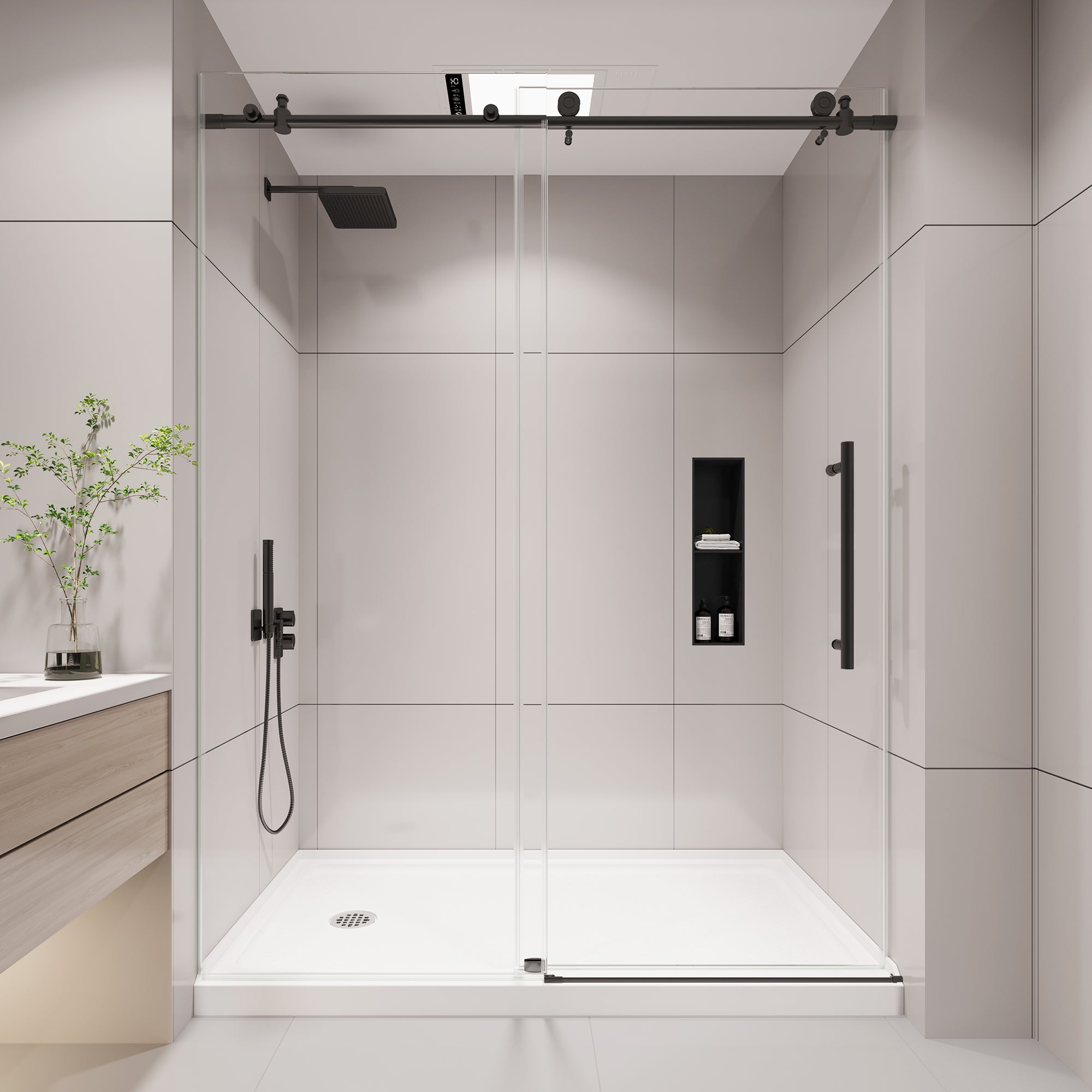
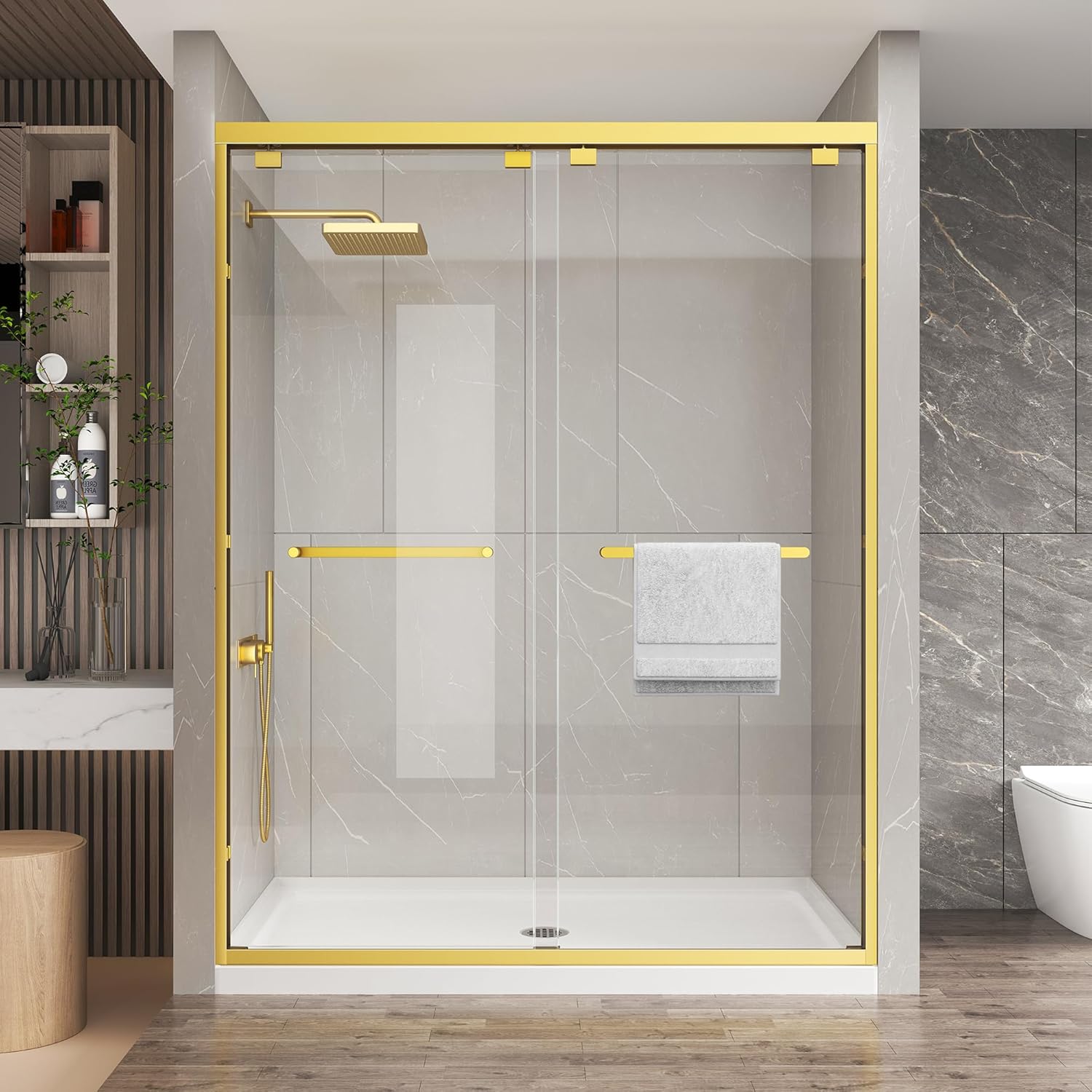
- Tempered glass and shower doors: If you plan a tub-shower with a glass door, remember glass thickness and hinge clearance. Tempered glass for shower doors is typically 3/8" or 1/2" thick; the jambs and mounting surfaces must be plumb within installation tolerances to avoid glass binding. For glass options, consider Shower Bases when planning the shower floor transitions and thresholds.
- Tile and waterproofing overlap: The tub flange should overlap the waterproofing plane by at least 2" per most installation best practices. If the wall was demoed and the studs are rotted, you’ll be rebuilding that plane before the tub goes in.
My rule of thumb: if you find more than two of these on a walk-through—out-of-plumb walls, old cast-iron waste, missing subfloor, non-standard rough-in—you should expect a 10–25% increase in labor and schedule uncertainty.
How to choose: quick contractor checklist
Use this on your site visit or phone call with your contractor.
- Measure finished space and confirm rough-in locations (length, width, drain center).
- Assess floor framing for additional load capacity.
- Decide if the tub must double as a shower—if yes, favor an alcove tub.
- Confirm access for plumbing changes—can you open the floor or access the ceiling below?
- Pick a tub material that matches your maintenance tolerance: acrylic for ease, cast iron for longevity and heat retention.
Pro tip: Bring a tape measure and a level to your showroom visit. Check the tub’s drain center spec versus your rough-in and ask for installation tolerances in writing.
FAQ — People Also Ask
Which tub is better for small bathrooms: alcove or freestanding?
For small bathrooms, alcove tubs are usually the better choice. They maximize usable floor area and align with standard 60" rough-in plumbing. A compact 54" alcove tub can work where a freestanding tub would make the room feel cramped.
Can a freestanding tub be used as a shower?
Short answer: not practical. Freestanding tubs aren’t designed for shower enclosures unless you build a surrounding wall or install custom waterproofing and a ceiling-mounted diverter. For most homeowners who want both bathing and quick showers, an alcove tub with integrated shower is the practical route.
How much more does a freestanding tub cost to install?
Installation cost varies by region and material. Expect labor and plumbing to add 20–50% more than an alcove installation because of floor reinforcement, relocated rough-ins, and potential structural work. Heavy materials like cast iron push the upper end of that range.
Wrap-up & next steps
Pick an alcove tub if you want a predictable install, lower cost, and easy tub-to-shower conversion. Pick a freestanding tub if the bathroom is large enough, you want a design focal point, and you’re prepared for extra plumbing and floor work. Before purchase, verify rough-ins, floor load, and wall plumb on-site.
If you’re planning a tub-shower conversion or a complete wet-area redesign, check shower floor and threshold solutions early — they affect curb slope, waterproofing, and the final look. For shower floor and base options that work with both alcove and some freestanding layouts, see Shower Bases.
For planning standards and layout best practices, consult the National Kitchen & Bath Association guidelines for bathroom planning and ergonomics (NKBA) and the Uniform Plumbing Code for rough-in and drain standards (IAPMO).
If you want a consultation based on your exact floor plan, measurements, and rough-ins, take photos of your rough-in locations, subfloor access, and any out-of-plumb walls—those details tell a contractor more than a model number. Strong decisions come from the site, not the catalog.

Leave a comment
All comments are moderated before being published.
This site is protected by hCaptcha and the hCaptcha Privacy Policy and Terms of Service apply.