
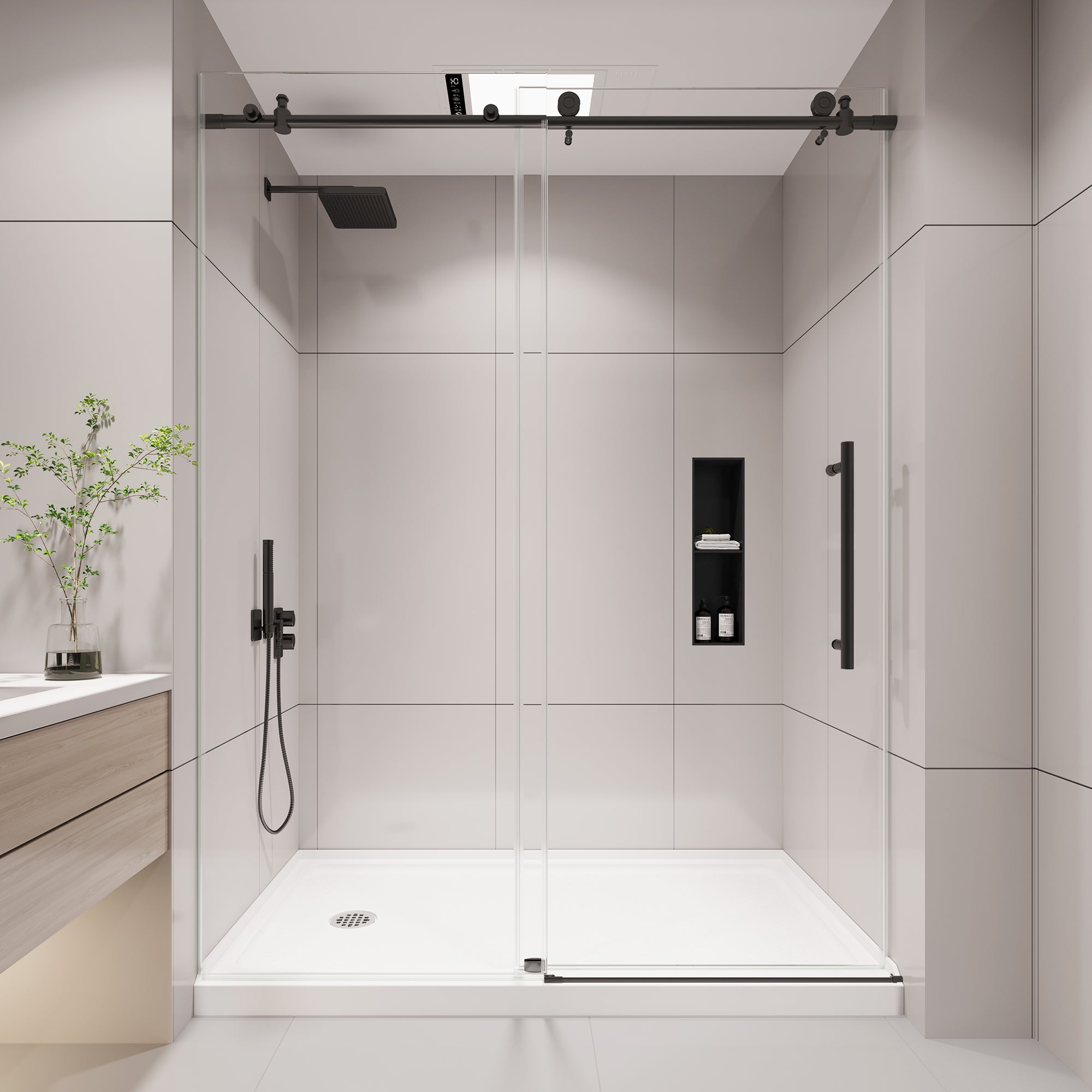
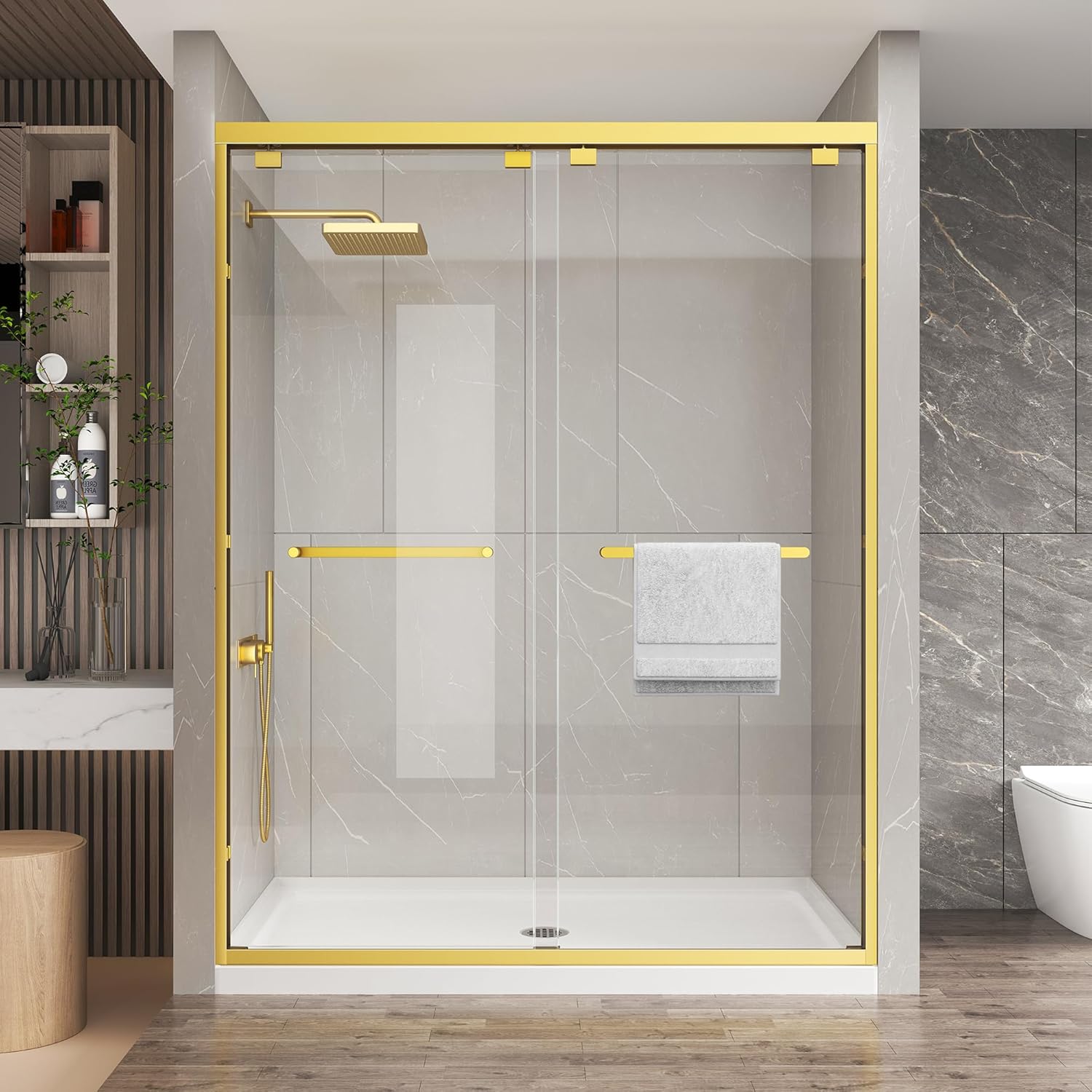
Rain glass, frosted glass, and textured panels all solve bathroom privacy a little differently, and the right choice depends on how much light you want to keep, how much of the shower area should stay visible, and how the glass will behave in a real remodel. If the opening is tight, the wall is not perfectly plumb, or you want privacy without making the room feel boxed in, the finish matters as much as the door style.
The Short Answer
The practical rule of thumb is simple: choose rain glass when you want a softer look with partial privacy, frosted glass when privacy matters more than visibility, and textured panels when you want the strongest visual breakup of shapes and movement. Start with the bathroom’s light level and how exposed the shower feels from the door, vanity, or toilet. If the room is small, keep the finish light enough to avoid making the enclosure feel heavy.
How the Three Privacy Options Differ
These three privacy treatments are often discussed together because they all reduce direct visibility, but they do it in different ways. Rain glass has a patterned surface that blurs sightlines while still letting a fair amount of light through. Frosted glass creates a more uniform opaque effect. Textured panels vary more widely, but the common trait is a surface pattern that interrupts views and can hide shower activity from outside the enclosure.
For a homeowner, the real decision is not just style. It is also how the finish changes the feel of the room during daily use. A bathroom with one small window and limited ceiling light usually benefits from a more transparent option. A larger bathroom with bright task lighting can handle a more opaque surface without feeling closed in. The wrong choice can make the room feel dimmer than it needs to be, or leave too much of the shower visible from the doorway.
In many remodels, privacy choice also affects the cleaning routine. Smooth surfaces show water spots more clearly, while heavier texture can hide droplets but may catch soap residue in the pattern. That is one reason contractors and homeowners should think about both sightlines and maintenance before ordering a glass enclosure. If you are still comparing enclosure styles, the KPUY Shower Doors collection is a practical starting point for checking which door format fits the opening and the privacy level you want.
Which Option Fits Your Bathroom
Start with how the shower is seen from the rest of the room. If the shower is directly across from the door, privacy matters more than if it is tucked behind a wall return. Also check how much natural light reaches the bath. A glass finish that looks balanced in a bright showroom can feel much heavier in a dark interior bath.
| Option | Best for | Limitations | Typical remodeling note |
|---|---|---|---|
| Rain glass | Balanced privacy with more light flow | Pattern may be less private than expected at close range | Works well where you want the room to stay visually open |
| Frosted glass | Stronger privacy and softer sightlines | Can make a small bath feel more enclosed if the room is already dark | Good choice when the shower is visible from the entry |
| Textured panels | Maximum visual breakup and more design character | Pattern depth can affect cleaning and visual consistency | Best when the texture complements the tile and fixture finish |
- Choose rain glass if you want privacy without losing too much daylight.
- Choose frosted glass if the shower is exposed to the room and privacy is the priority.
- Choose textured panels if the design needs more pattern or a stronger visual break.
- Check the opening geometry before ordering, because an out-of-plumb wall can make any glass finish look off once installed.
- Watch the finished opening, not just the old door size, especially if tile thickness is changing the wall dimensions.
Wrong choice causes a predictable problem. If you pick a finish that is too opaque for a dark bathroom, the shower can feel closed in and the whole room may seem smaller. If you pick a finish that is too transparent for a highly visible shower, privacy may be inadequate even though the glass technically fits. The finish should match the room layout, not just the look in a sample board.
Installation and Cleaning Considerations
Privacy glass is not just a design decision; it also needs to fit the remodel conditions. Older bathrooms often have walls that are slightly out of plumb, and that matters more with glass than many homeowners expect. A finish with heavy texture can hide minor water spotting, but it does not fix a wall that leans enough to throw the door alignment off. If you are planning a new enclosure, confirm the finished opening at the top, middle, and bottom before you order.
Privacy glass also interacts with hardware and clearance. Heavier or more substantial-looking glass panels may require more attention to wall support, fastener placement, and edge clearance. That is true whether the design is framed or frameless. A door can fit the opening and still bind if the wall line is off, or if the threshold slope pushes the panel out of alignment. If your project is a full enclosure replacement, compare the glass style with the available enclosure format in Glass Shower Doors so the visual privacy choice stays realistic for the opening you have.
For cleaning, the pattern or texture matters as much as the glass color. Rain glass usually hides some soap spots and fingerprints better than smooth clear glass, but the surface can still collect residue in the patterned areas. Frosted glass often shows hard-water buildup more softly, but it can still need regular cleaning if the water in your area leaves mineral film. Textured panels can reduce the look of streaks from a distance, yet deeper texture may require a little more attention at the edges and low spots.
- Check the light direction before choosing a finish; backlit glass reads differently than side-lit glass.
- Measure the wall-to-wall opening after tile work if the wall finish is changing.
- Confirm the threshold slope so water stays inside the shower and does not push toward the bathroom floor.
- Look at nearby fixtures such as a vanity mirror, toilet, or towel bar that may change how private the enclosure feels.
- Plan for cleaning access around hinges, tracks, or fixed panel edges if the glass surface has texture.
What to Check Before You Order
Before selecting a privacy finish, step through the room like a installer would. The glass style is only one part of the decision. The opening, wall conditions, curb, and nearby fixtures can all limit what works well.
- Measure the finished opening at the top, middle, and bottom, not just one point.
- Check the height on both sides if the floor is uneven or the curb is not perfectly level.
- Verify whether the walls are plumb; even a small lean can affect glass alignment.
- Confirm the threshold slope and make sure it sends water back into the shower.
- Look for door swing conflicts with a vanity, toilet, or linen cabinet.
- Identify any hardware clearance issues near tile edges, studs, or trim.
- Decide how much privacy you need from the doorway and from across the room.
- Choose the finish that matches both the light level and the cleaning routine you can realistically keep up with.
A shower enclosure can fit the footprint and still be wrong if the drain, slope, or wall geometry is off. That is especially true in remodels where the old shower was removed and the finished dimensions changed after tile. If the privacy glass is going into a fixed panel or walk-in layout, the balance between openness and splash control matters just as much as the finish. For those cases, the Shower Glass Panels collection is useful when the layout calls for a more open shower face with controlled sightlines.
Rule of thumb: if the bathroom is tight or dim, favor a finish that preserves light; if the shower is highly exposed or directly visible from the entry, favor a finish that blocks sightlines more aggressively. The right answer comes from the room layout, not from a trend photo.
Frequently Asked Questions
Is rain glass private enough for a shared bathroom?
Often, yes, but it depends on how the shower is positioned and who can see it. Rain glass softens visibility well from a normal distance, but it is not fully opaque. If the shower is directly across from the door or used by multiple people at once, frosted glass may offer a better privacy level without relying on towels, curtains, or extra screening.
Does frosted glass make a bathroom look smaller?
It can, especially in a room with limited natural light or dark wall finishes. Frosted glass reduces direct sightlines, which is good for privacy, but it also reduces visual depth. In a larger or brighter bathroom, that effect is usually manageable. In a small bath, a more translucent choice may keep the room feeling more open while still softening the view.
Do textured panels clean harder than smoother glass?
Sometimes they do, mainly because texture can hold soap residue and mineral film in the surface pattern. That does not mean textured panels are difficult to maintain, but they may need a cleaner rinse routine than smoother glass. The key is matching the surface texture to your water quality and how often the shower is used. Hard water and heavy texture are a tougher combination.
Final Takeaway
For 2026 bathroom privacy trends, the practical choice is still driven by light, sightlines, and cleanup. Rain glass is the middle ground, frosted glass leans hardest toward privacy, and textured panels add the most pattern and visual break. Before ordering, measure the finished opening, check plumb and threshold slope, and think through where the shower is seen from the rest of the room. If you are still narrowing the enclosure style, start with the relevant KPUY Shower Doors collection and match the glass finish to the opening you actually have.

Leave a comment
All comments are moderated before being published.
This site is protected by hCaptcha and the hCaptcha Privacy Policy and Terms of Service apply.