
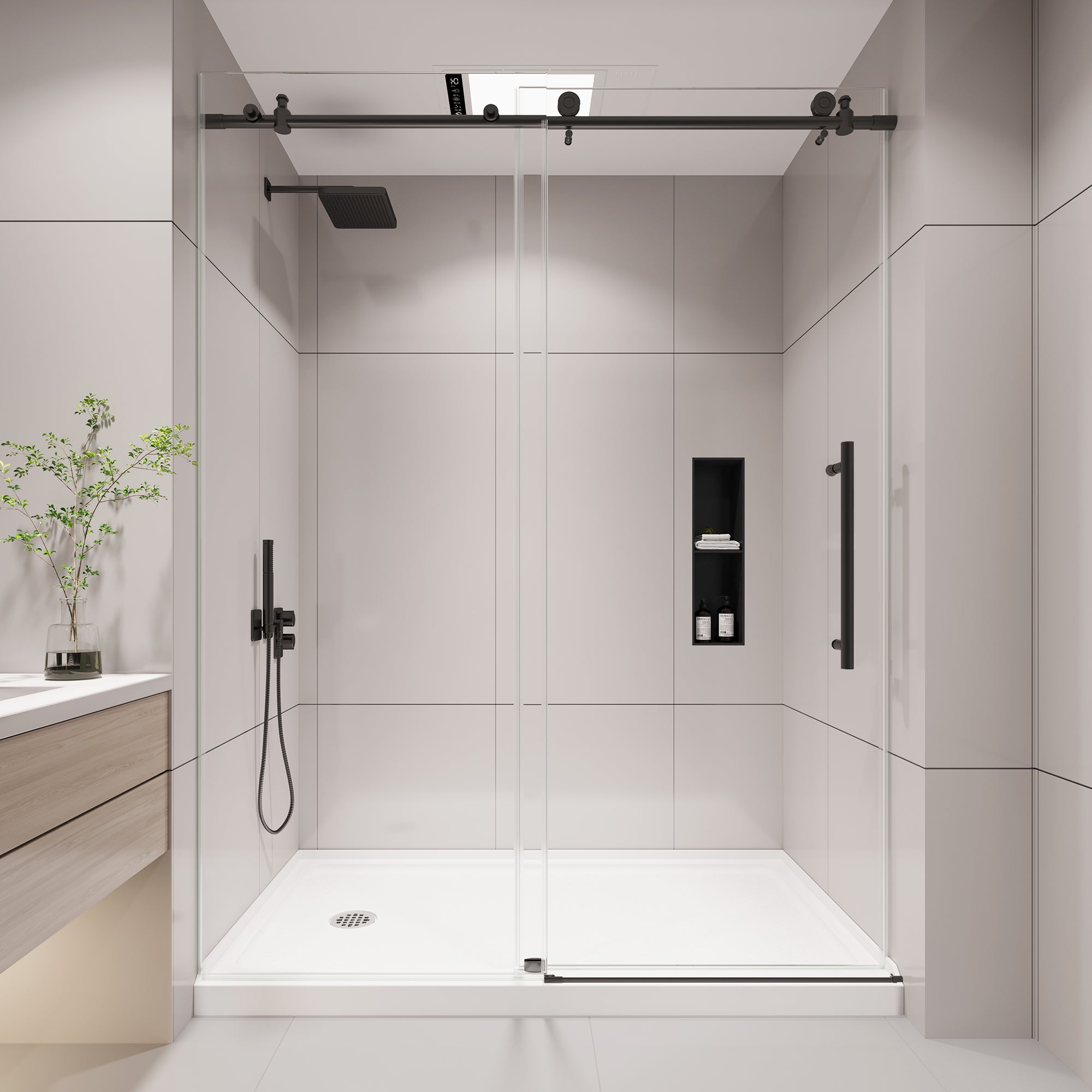
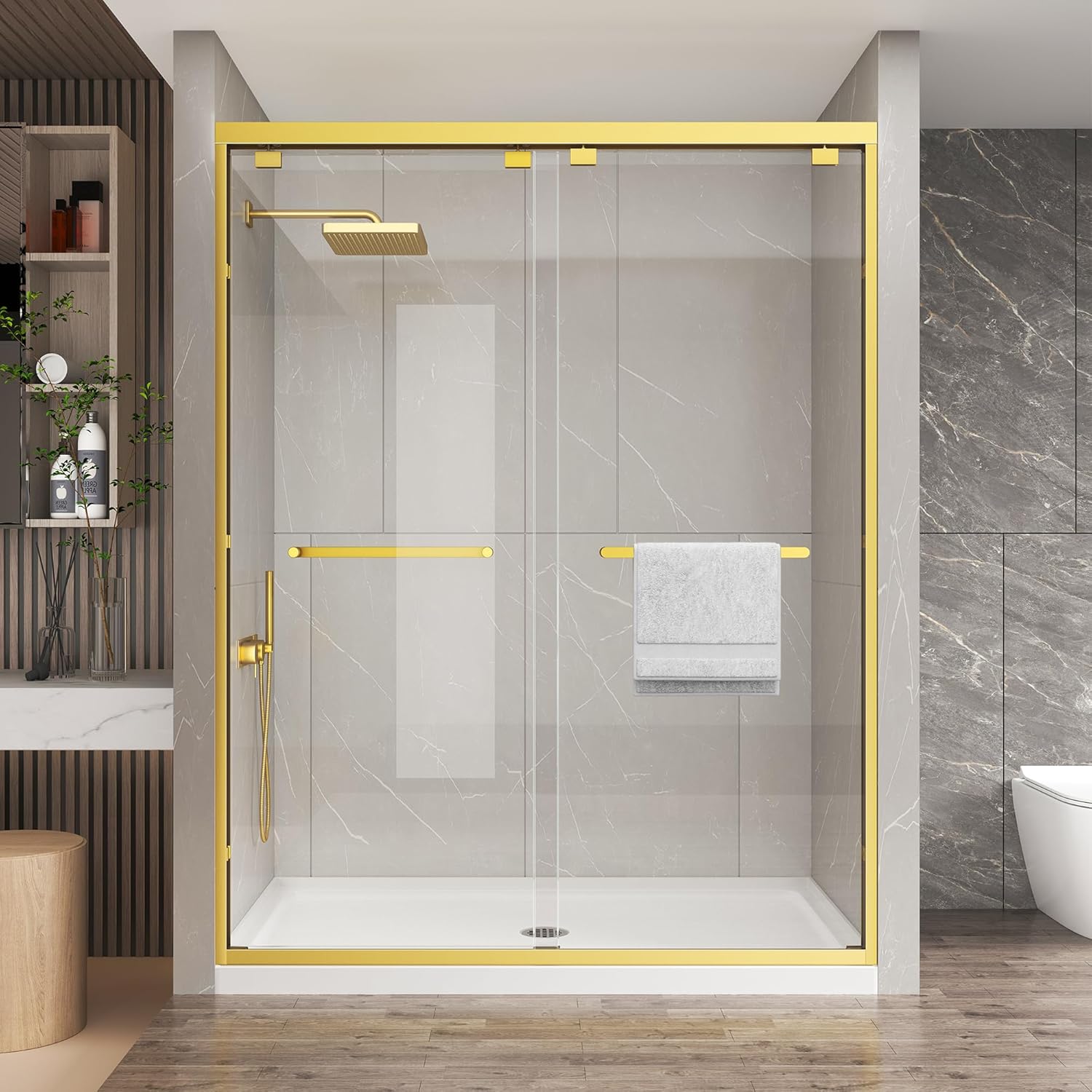
I’ve been tearing out fiberglass inserts and rotted subfloors for over 20 years, and I can tell you the American bathroom is undergoing its biggest shift since indoor plumbing became standard. We aren't just swapping vanity hardware anymore. In 2026, homeowners are demanding spaces that function like commercial spas but perform like military-grade wet zones. We're talking fully integrated wet rooms, smart systems that actually prevent leaks, and biophilic elements that go beyond a potted fern on the toilet tank.
If you are planning a remodel this year, forget the cookie-cutter layouts of the early 2000s. You need to understand rough-in requirements for digital valves, the importance of linear drains, and why "bringing the outdoors in" requires serious ventilation planning. Let’s break down what’s actually working in the field.
The Wet Room Revolution: Open Concept Layouts
The days of the claustrophobic shower stall are numbered. The biggest request I get now is for the "wet room"—essentially tiling the entire bathroom (or a large zone of it) to create a barrier-free shower space. It looks sleek, but from a contractor's perspective, it’s an engineering challenge that requires precision.
Waterproofing is Everything
You cannot just slap tile on drywall and call it a wet room. That’s a recipe for a lawsuit and black mold. We use distinct waterproofing membranes (like Schluter-KERDI or liquid-applied barriers) that tie the floor and walls into a single watertight vessel. The floor slope is critical—we usually aim for a 1/4 inch per foot slope toward a linear drain to ensure rapid evacuation. If your framer doesn't drop the subfloor properly, you're going to have a massive curb, which defeats the purpose of the design.
Glass Panels and Zoning
While the goal is "open," you still need to contain the spray. Nobody wants a wet toilet seat. This is where fixed glass panels come into play. Unlike old-school sliding doors on tracks that collect gunk, we are installing stationary glass deflectors. These define the wet zone without closing off the room visually.
High-quality bathroom screens are standard spec now. We look for thick, tempered glass (minimum 3/8 inch or 10mm) that meets ANSI Z97.1 safety standards. They act as a splash guard while maintaining that high-end, airy aesthetic. When securing these, I always check for blocking behind the wall tile—anchoring heavy glass into just cement board is a rookie mistake.
Biophilia: Natural Materials & Lighting
Biophilia sounds like a buzzword, but in 2026 design, it simply means using materials that reduce stress and mimic nature. It’s a direct response to the "sterile white lab" look of the 2010s.

Organic Textures over High Gloss
We are ripping out high-gloss acrylics and replacing them with matte finishes and textured woods. Think rift-sawn oak vanities, stone resin tubs that hold heat longer, and unpolished brass fixtures that patina over time. The idea is tactile feedback. When you touch a surface, it should feel real, not plastic.
Lighting Layers
Lighting plans have gotten complicated. You need task lighting for shaving, but you also need ambient lighting for the "spa" mode. 2026 trends lean heavily on toe-kick lighting and backlit mirrors that adjust color temperature. We aim for 2700K (warm white) for relaxing and 4000K (daylight) for getting ready. If your contractor isn't running neutral wires to your switch boxes for smart dimmers, catch that mistake during the rough-in.
Smart Technology: Efficiency Meets Luxury
Tech in the bathroom used to be gimmicky. Now, it’s about infrastructure and hygiene. The VFTI 2026: Kitchen & Bath Trends(NKBA) reports that integrated technology is one of the fastest-growing categories in remodels.
Digital Valves and Water Control
Thermostatic valves are great, but digital shower systems allow you to preset temperature and flow rate for different users. More importantly, we are installing active leak detectors. These systems monitor flow usage and shut off the main water supply if they detect a burst pipe or a running toilet. It’s cheap insurance for your home.
The Rise of the Intelligent Toilet
Bidets went mainstream a few years ago, but 2026 is about the fully integrated smart toilet. We're talking auto-open/close lids (great for hygiene), self-cleaning wands, and heated seats. Requires a dedicated GFCI outlet near the toilet flange—don't forget this during electrical rough-in or you'll be looking at an ugly extension cord later.

Comparison: Traditional Master vs. 2026 Wet Room
Homeowners often ask if the wet room conversion is worth the extra labor cost. Here is the breakdown based on current market rates and complexity.
| Feature | Traditional Bathroom (Alcove Tub/Shower) | 2026 Wet Room Style |
|---|---|---|
| Waterproofing | Localized (Tub surround only) | Extensive (Full floor & walls tanked) |
| Drainage | Standard center drain | Linear drain (requires floor pitch engineering) |
| Glasswork | Bypass sliders or curtain | Fixed bathroom screens or frameless panels |
| Accessibility | High curb / stepping over tub wall | Zero-entry / Curbless (ADA compliant) |
| Resale Value | Standard | High Premium (Luxury Perception) |
Frequently Asked Questions
Is a wet room practical for a small bathroom?
Absolutely. In fact, wet rooms are often the best solution for small 5x8 bathrooms. By removing the visual barrier of a shower curb and bulky enclosure, you make the footprint feel larger. You just need to be aggressive with your waterproofing height (I recommend tiling to the ceiling) and ensure your vanity is made of moisture-resistant materials.
How much does a linear drain installation add to the cost?
Expect to pay a premium. Moving the drain requires breaking concrete (in basements/slab homes) or re-framing joists. Plus, a linear drain body costs significantly more than a standard PVC drain, and the tile work requires a precise single-direction slope rather than a bowl slope. It’s harder to hide mistakes with a linear drain.
Are smart toilets difficult to maintain?
Mechanically, they are reliable. The main issue is usually hard water scaling clogging the bidet nozzles. If you live in an area with hard water (like much of the Midwest or Southwest), I strongly advise installing a whole-home water softener or a descaler to protect the solenoids inside the unit.
Final Thoughts
Remodeling in 2026 is about longevity and lifestyle. Whether you are knocking down walls for a wet room or just upgrading to intelligent fixtures, focus on the "bones" of the project first. Get the waterproofing right, size your ventilation correctly, and choose fixtures that are built to handle daily abuse.
If you're ready to start scoping out materials for that open-concept shower, check out the specs on our high-durability bathroom screens to see if they fit your layout.

Leave a comment
All comments are moderated before being published.
This site is protected by hCaptcha and the hCaptcha Privacy Policy and Terms of Service apply.