
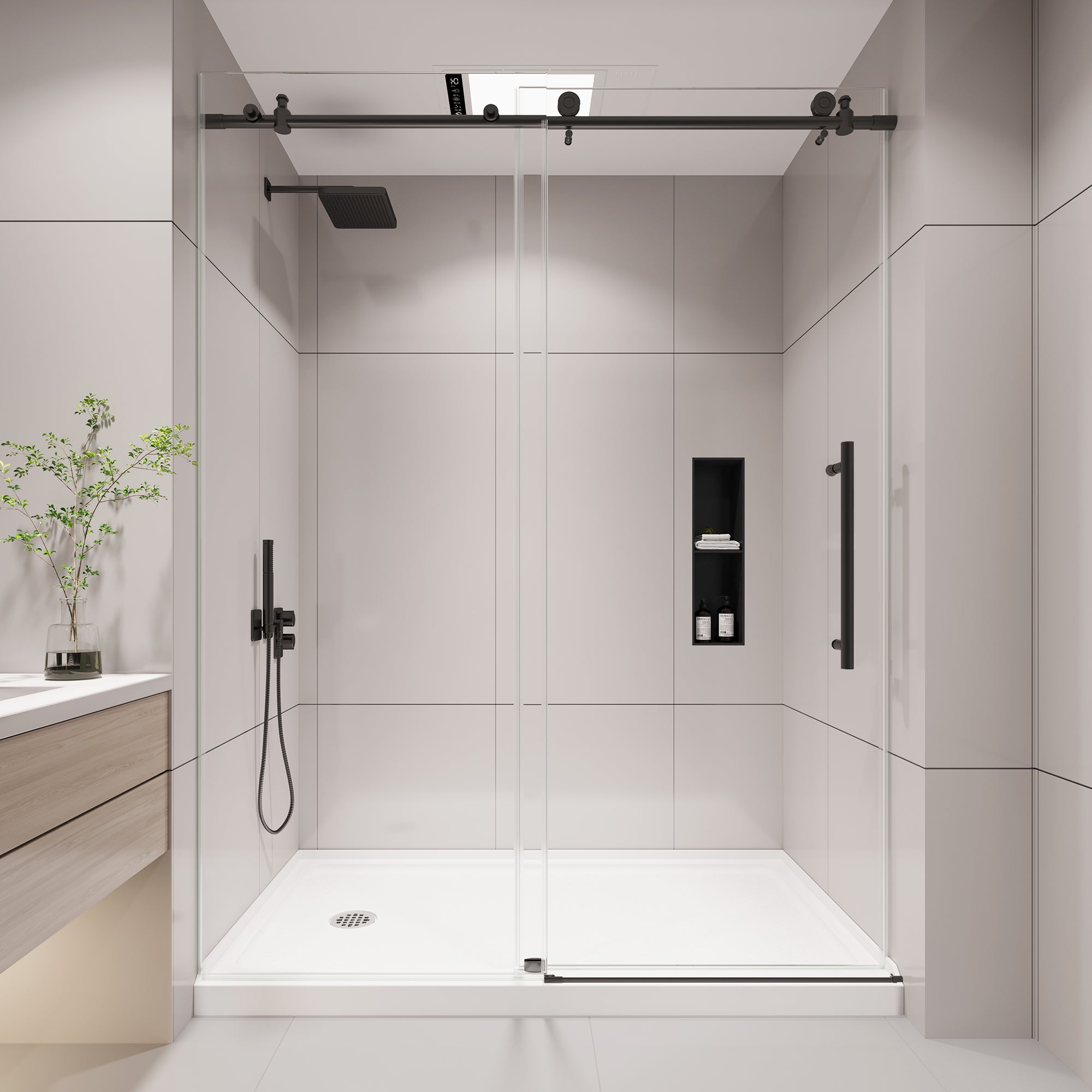
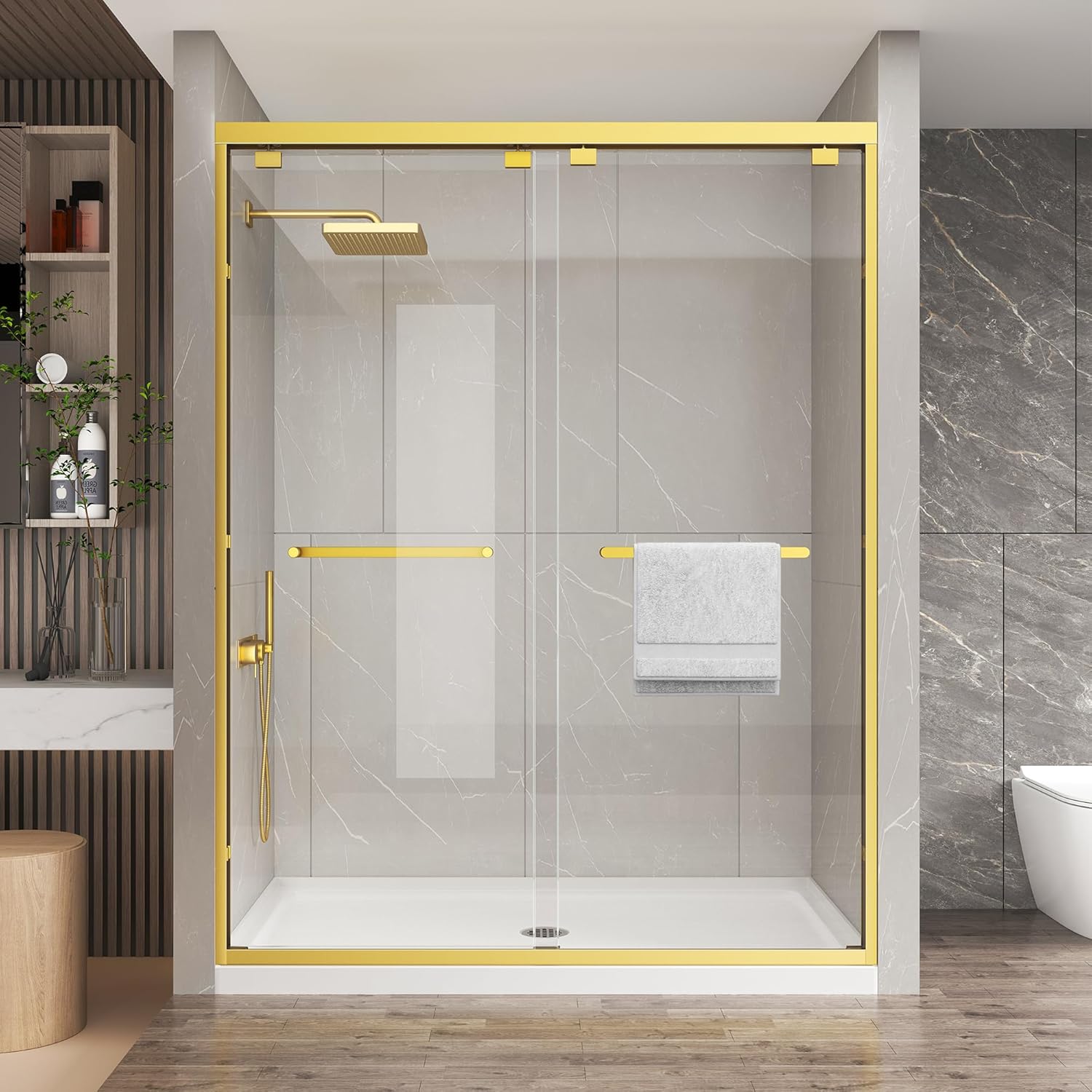
Upgrading to a frameless shower door is one of the highest-impact changes you can make in a bathroom remodel—clean sightlines, easier cleaning, and a high-end look. But not every frameless door is created equal. After 20+ years installing doors in houses that are rarely square and often older than their owners expect, I’ll tell you exactly which frameless shower door features are worth the extra money and which are not. You’ll get practical advice you can use on estimate day, at the jobsite, and when you sign off close to final inspection.
Quick Answer
Short answer: Spend on properly tempered 3/8" or 1/2" glass, quality pivot or continuous hinges rated for heavy glass, stainless or brass hardware with corrosion-resistant finishes, and properly designed water control (threshold + drip rail/seal). These items materially reduce callbacks, leaks, and future glass replacement costs.
Features Worth Paying For
When a homeowner asks me what to prioritize, I keep it tactical. Here are the features I tell clients to buy and why:
- Tempered glass at the correct thickness — 3/8" is the baseline; 1/2" is worth it for larger panels and doors over 28–30" wide.
- High-quality hinges and hardware — ball-bearing pivots or continuous hinges sized for the glass weight; avoid cheap stamped zinc pieces.
- True water management — curb slope, threshold transition, and discrete seals/drip rails are more important than a fancy handle.
- Factory cutouts and polished edges — minimizes stress points in glass and lowers the chance of chips on installation.
- Finish warranty and corrosion resistance — choose 316 stainless or brass with PVD finishes for coastal or humid climates.
Glass Types, Thickness & Hardware
Glass is the foundation. On a heavy door, the hardware must be matched to the glass thickness and weight. Here’s what I specify on estimates:
- For doors under 30" wide: 3/8" (10 mm) tempered glass is acceptable.
- For doors 30"–36" and large panels: 1/2" (12 mm) tempered glass reduces flex and keeps hinge screws from loosening.
- For continuous runs or large wet rooms: consider 1/2" tempered with factory-engineered reinforcements.
I always check the glass for ANSI Z97.1 tempering marks and maker’s label before installing. If the label is missing, don't take it—they're a legal and safety requirement.
Hardware choices matter just as much as the glass:
- Pivots vs. Hinges: Pivots set in the floor and header tolerate out-of-plumb conditions better. Continuous hinges distribute load and look seamless but require precise shim work.
- Finish and material: I avoid plated zinc where there’s heavy moisture. For a long-lasting result, use 316 stainless or solid brass with PVD finish.
- Mounting tolerances: Good hinge systems allow ±3/16" adjustment post-glass install. If the hardware has no adjustment, expect field headaches.
Practical hardware note from the field: on older homes with settled framing I often set up a temporary wedge and shims to simulate final weight before anchoring hinges. That prevents twist and glass binding after grout cures.

Seals, Thresholds & Water Control
Ten leaks out of ten come from poor water control—not a missing fancy towel bar. Spend on the details that keep water in the pan:
- Curb design: A properly sloped curb with waterproof membrane is crucial. The slope toward the pan needs to be tested—slow drains are leaks waiting to happen.
- Threshold height: Low thresholds look modern but increase splash risk. I prefer 1-1/2" to 2" on retrofit jobs unless a barrier-free design is required and the rest of the room is set up for it.
- Bottom seals and drip rails: Look for reversible vinyl seals and a metal drip rail that directs water back into the pan instead of the bathroom floor.
From a code and performance standpoint, the shower pan and curb must be installed first and checked for level and slope before glass templates are taken. If the curb is trimmed after glass is ordered, you’ll pay for rework.
Installation Realities: Jobsite Issues I See All the Time
Here's the honest jobsite talk. Homeowners expect a straight wall and perfect openings. Reality is different:
- Out-of-plumb walls: Many houses built in the 70s–90s settle and have a 1/2" or more of plumb variation over the height of the opening. Frameless doors can hide minor variation, but if you have more than 1/2" you’ll need sills, shims, or returns that add cost.
- Rough-in dimensions: Measure after tile and grout. A frequent mistake is templating before tile—glass then won't sit flush and gaps will appear.
- Glass size allowances: I always leave a minimum 3/16" overall clearance for field adjustments on each side, and up to 1/4" if walls are questionable. That means ordering with the right field tolerance noted.
- Curb slope: If the curb slope is wrong, water will pool at the hinge area and leak. That’s a call-back I see with cheap installers.
Real-field tip: when retrofitting an old bathroom, anticipate adding 1–2 hours to handle a bad stud or an uneven tile edge. Expect that tile may be cut back slightly to create a plumb, flat shim surface for hardware. This is time well spent to prevent premature leaks or glass stress fractures.

Cost vs. Value: Side-by-Side
| Feature | Why It Matters | Rough Cost Impact |
|---|---|---|
| 3/8" vs 1/2" tempered glass | Stronger, less flex, better hinge life | +$150–$350 per panel |
| High-grade hinges (continuous/pivot) | Reduced wear, adjustment options | +$200–$500 |
| Water control (drip rails, threshold) | Prevents leaks, reduces callbacks | +$100–$400 |
| 316 stainless / PVD finish | Long-lasting appearance in humid/coastal homes | +$100–$300 |
Most of these add-ons protect the investment and reduce the chance you'll be replacing glass or hardware in a few years. Spend smart—buy structural reliability before buying a designer handle set.
Buying & Installer Checklist (What I Use on Every Job)
- Confirm final tile and grout thickness before templating.
- Measure openings at three heights and diagonals; record out-of-plumb amounts.
- Specify glass type, thickness, edge finish, and hole locations in writing.
- Choose hardware rated for glass size and weight; confirm finish and warranty.
- Verify curb slope and pan flood test (1/4" per ft toward drain is common) prior to glass arrival.
- Leave field clearance of 3/16"–1/4" for fit adjustments.
- Retain labeled tempered glass per ANSI/Z97.1 and keep manufacturer documentation for warranty.
Manufacturer & standard references: For installation and safety guidance consult the National Kitchen & Bath Association (NKBA) for best practices and the Consumer Product Safety Commission on tempered glass labeling and safety. See NKBA resources at NKBA and basic glass safety info at the CPSC site (CPSC).
If you plan to shop online for hardware or doors, I recommend reviewing a selection of reliable frameless options before choosing a style. For a collection of doors and glass options that match the features discussed here, consider KPUY Shower Doors.
FAQs
How thick should frameless shower glass be?
Direct answer: For most residential applications, 3/8" tempered glass is acceptable. For doors wider than ~30" or for larger panels, 1/2" tempered glass is the safer choice because it reduces flex and extends hinge life.
Are frameless shower doors worth the extra cost?
Yes—if installed correctly. The premium is justified when you invest in proper glass thickness, quality hardware, and real water control. The money saved on cheaper systems rarely makes up for callbacks, leaks, or replacing corroded hardware in 3–5 years.
Can I install a frameless door on an old, out-of-plumb wall?
Yes, but plan for added labor and field adjustments. I typically allow for extra shimming, possibly a pivot hinge system, and margins in the glass order to accommodate up to 1/2" plumb variance. If the variance exceeds that, a return panel or framed solution may be the more reliable choice.
Final Note
As a contractor, I prioritize reliability and low callbacks. Spend on the right glass thickness, hardware built for weight and moisture, and real water-management details. Those choices drive long-term performance. If you want a place to start looking after reading this, check product options at KPUY Shower Doors to compare finishes and hardware sets that meet these specs.

Laisser un commentaire
Tous les commentaires sont modérés avant d'être publiés.
Ce site est protégé par hCaptcha, et la Politique de confidentialité et les Conditions de service de hCaptcha s’appliquent.