
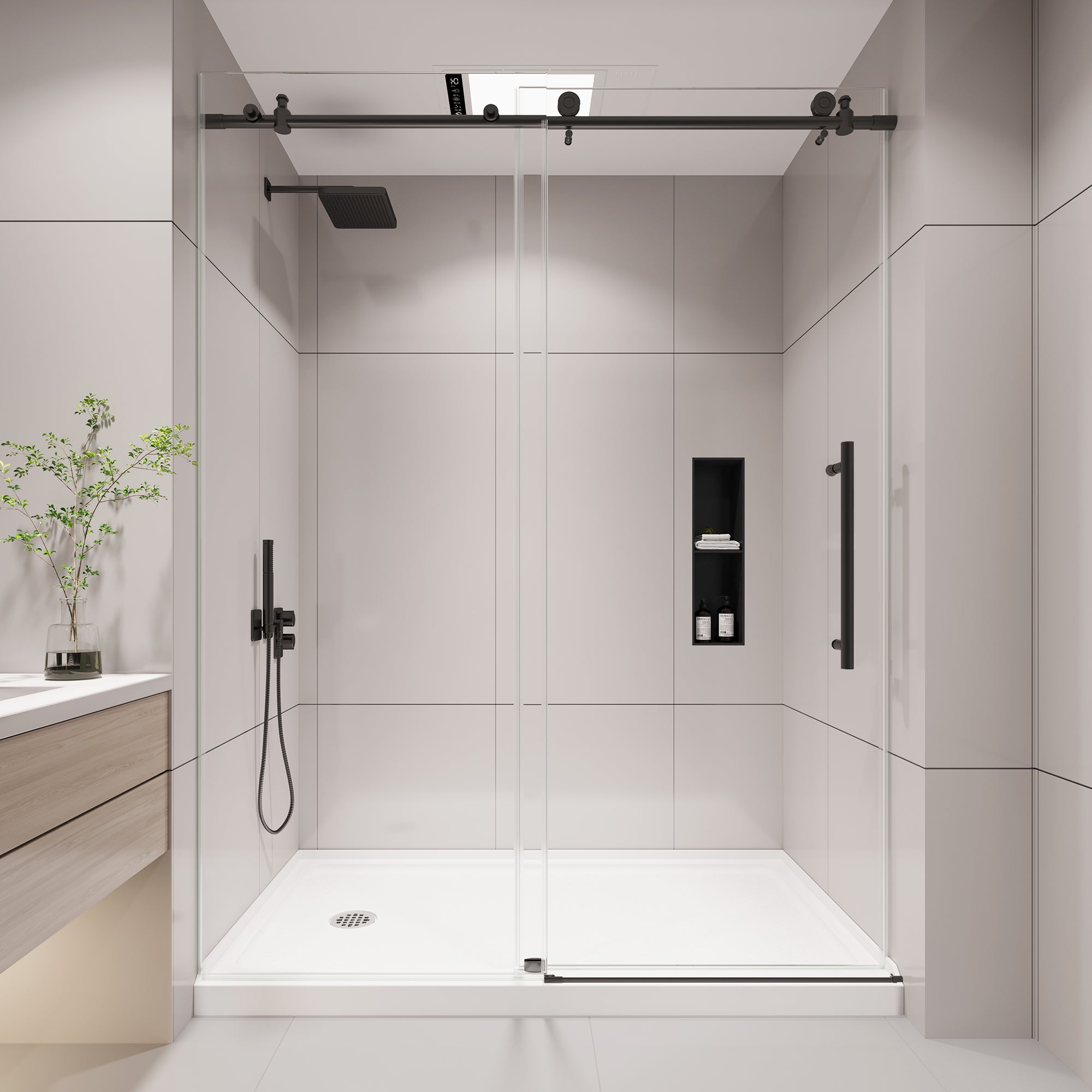
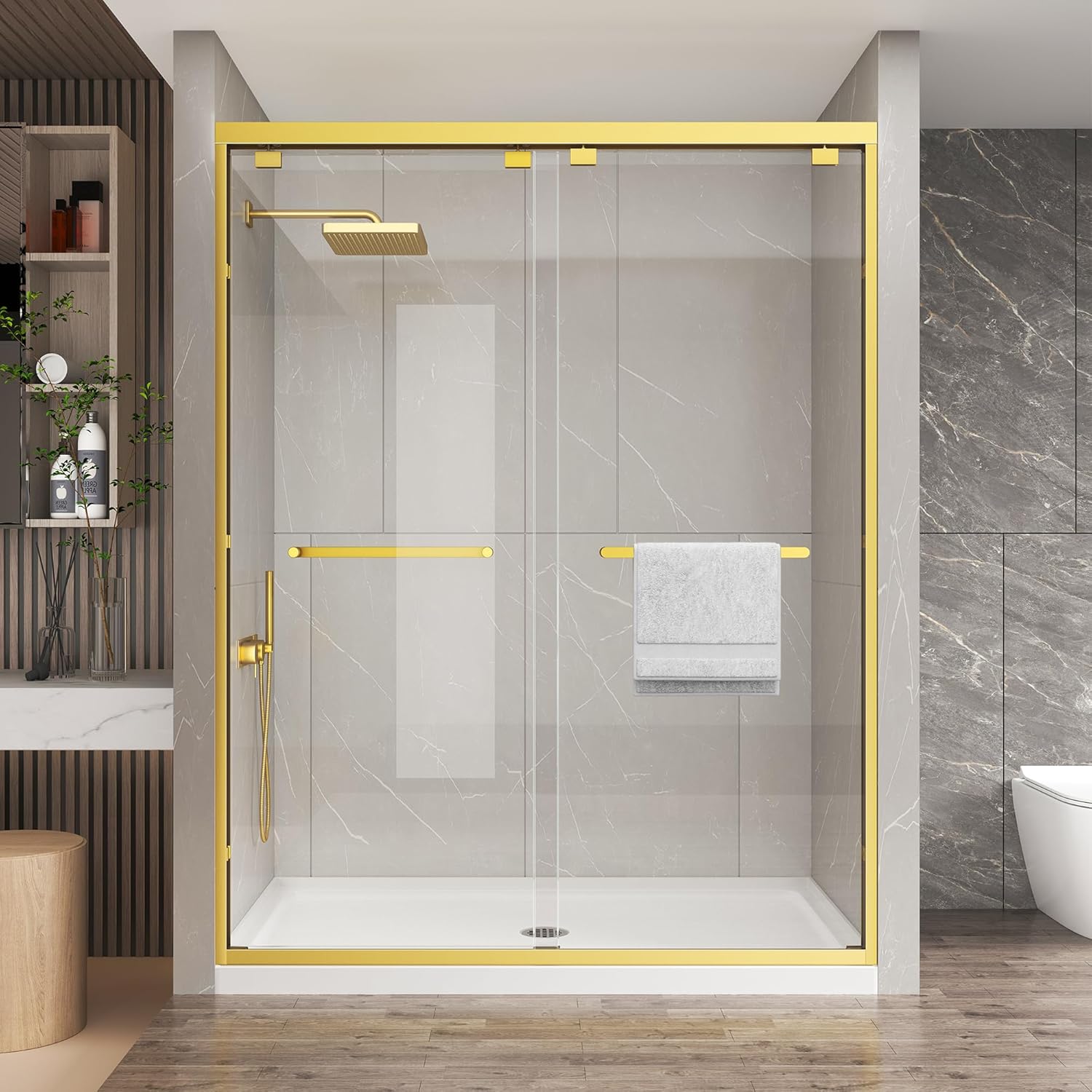
Choosing the right rectangular shower base in 2026 is about more than looks. Homeowners want durable, code-compliant solutions that fit tight footprints, pair with modern glass enclosures, and avoid costly rework. As a contractor who’s been installing and replacing shower pans for more than 20 years, I’ll answer the questions buyers actually ask on job sites — from rough-in dimensions and curb slope to tempered glass thickness and how out-of-plumb walls change the plan.
Quick Answer: What matters most when buying a rectangular shower base?
Short answer: Pick the right size and drain location first, then choose a material and installation method that matches your subfloor and enclosure. Verify your rough-in, check for out-of-plumb walls, and spec tempered glass and door swing that fit the base. For most mid-range remodels, a properly installed preformed acrylic or composite base on a mortar bed with a linear or center drain gives the best balance of performance and cost.

Sizes, Rough-in and Door Clearances
Buyers always ask what size will fit. Rectangular bases are common in these standard dimensions: 30"x60", 34"x60", 36"x60", 36"x72". But the number that matters on the job is not just floor space — it's the rough-in and clearances around the door or glass panel.
| Base Size | Typical Drain Location | Recommended Clear Floor to Frame | Common Use |
|---|---|---|---|
| 30" x 60" | Center or near short wall | 36" clear for single-swing door | Small master baths, guest baths |
| 34" x 60" | Offset or center | 36"-40" for sliding/patch doors | Better toe space, works with narrower rooms |
| 36" x 60" | Center or linear near wall | Minimum 36" turning radius | Accessible-focused layouts |
| 36" x 72" | Linear or offset | More clearance recommended | Spacious walk-in feel |
Important measurement tips:
- Always measure to finished wall surfaces. Tile will add thickness.
- Allow at least 1/4" to 3/8" clearance per side for out-of-plumb walls and shimming.
- Confirm the finished threshold height when planning a door swing or fixed-panel shower door.
Materials, Drain Types and Longevity
Materials matter for weight, repairability, and feel underfoot. Typical options include:
- Acrylic — lightweight, affordable, easy to replace. Prone to flex if not supported properly.
- Composite (cultured marble, solid surface) — heavier, more rigid, higher-end finish.
- Tile-ready pans — mortar bed or pre-slope and liner. Best for custom looks but more labor-intensive.
Drain types: center round, offset round, and linear drains. Linear drains give a single slope to one wall and larger tile options; round drains require quadrant slopes. For linear drains, ensure the base supports a consistent slope toward the drain (1/4" per foot is standard). For code and best practice references, consult the NKBA guidelines and local code authority.
NKBA and your local building department can confirm code and accessibility requirements.
Drain, Slope & Rough-in Details Contractors Use
Common homeowner questions center on how the drain lines up with the existing plumbing and how much slope the pan needs. Practical numbers:
- Standard slope: 1/4" per foot to drain. For larger spans, maintain consistent fall.
- Typical drain rough-in height from finished floor: base dependent; check manufacturer spec — often 2"–4" from top of subfloor to center of trap for low-profile pans.
- Installation tolerances: expect to shim up to 3/8" per side for out-of-plumb walls; more than that usually means you need to adjust the curb or use tile-ready method.
When you're replacing an existing pan, always open the finished floor at the drain to confirm pipe location. I've pulled panels where the drain was off by 2" from the spec — not a disaster, but it adds time and money to relocate the drain or order a custom base.
Glass Doors, Safety Standards and Clearances
Buyers ask whether a rectangular base will work with frameless glass or sliding doors. The short answer: yes, but you must match tempered glass thickness, hinge and threshold details, and clearance.
Typical glass specs:
- Frameless swinging doors commonly use 3/8" or 1/2" tempered glass (ANSI Z97.1 safety standard applies).
- Sliding doors may use thinner panels but check the manufacturer and hardware loads.
- Mounting: a curb must be flat and straight. Out-of-plumb walls can force custom sills or glass shims.
Refer to the ANSI Z97.1 standard for impact-resistant glass and consult your shower door vendor for hinge spacing and expected loads. Good vendors will provide measured templates after the base is set.
For shower doors and enclosures, see Shower Bases when you’re matching bases to enclosures.
Real Jobsite Experience: What I See on Remodels
On older homes, walls are rarely true. Out-of-plumb studs, uneven subfloors, and tile left in place change how a base installs. Here are practical things I do every time:
- Measure finished wall to finished wall at three heights. If the wall leans more than 3/8" over the height of a base, plan for shimming or a custom curb.
- Open the drain access. Confirm trap adapter type and pipe material; older cast iron or clay can mean rework.
- For tile-ready installations, triple-check the drain flange alignment before installing the liner or mortar bed.
Example from the field: on a 1930s house we rebuilt the bathroom floor twice because the first preformed base sat on a soft subfloor and the acrylic flexed under load. The fix was a full plywood repair and a leveled mortar bed. That added one day and cost that could have been avoided with a proper subfloor inspection up front.

Cost, Warranties and Maintenance
Budget ranges:
- Economy acrylic preformed base: typically lower material cost, lower installation labor if subfloor is solid.
- Composite / solid surface: higher material cost, more durable finish, mid-range installation time.
- Tile-ready / mud bed with linear drain: highest labor and materials cost, custom-finish advantage.
Warranty notes: Manufacturer warranties often cover manufacturing defects but not installation issues. A base installed without proper support or with an improper slope is not covered. Keep receipts and installation documentation — inspectors and warranty departments want to see proper installation steps.
Practical Buying Checklist for Homeowners
Before you click purchase or sign a contract, run this checklist with your contractor or installer:
- Measure finished dimensions and verify the base size fits tile and door plans.
- Confirm drain location in relation to existing rough-in. Plan for relocation cost if needed.
- Check subfloor condition. Plan for plywood repair, mud bed, or manufacturer support kit.
- Verify door type and glass thickness with the base supplier and door vendor (tempered glass ANSI Z97.1).
- Ask for manufacturer installation tolerances and read the spec sheet. Keep it on file.
- Confirm local code and permits — especially for accessibility or major plumbing changes. See your local code authority or ICC resources for plumbing code guidance.
For more base options and specs, browse a manufacturer collection and compare dimensions and installation notes: Shower Bases.
FAQ (People Also Ask)
How thick should tempered glass be for a frameless shower door?
Most frameless swing doors use 3/8" (10 mm) or 1/2" (12 mm) tempered glass. Hardware and hinge loads determine exact thickness; always confirm with the door manufacturer and insulate the glass meets ANSI Z97.1 safety criteria.
Can I install a rectangular acrylic base over an imperfect subfloor?
Short answer: not safely. Acrylic bases need solid support. I recommend repairing or sistering the subfloor and adding a plywood layer to eliminate flex. If the subfloor can't be made solid, consider a mortar bed or a rigid composite base designed for thicker support.
Do rectangular bases work with linear drains?
Yes. Rectangular bases pair well with linear drains placed along the long wall. That lets you slope the floor in one direction (1/4" per foot) and use larger-format tiles. Ensure the base and tile installer plan the slope so the waterproofing membrane ties cleanly into the drain flange.
Wrap-up and Where to Look
Buyers in 2026 want solutions that match contemporary glass enclosures, meet safety and plumbing codes, and hold up over time. The most common pitfalls — out-of-plumb walls, undersupported subfloors, and mismatched drain rough-ins — are avoidable with careful measurement and a contractor who will open the drain and inspect the subfloor before committing. If you’re comparing options, look at spec sheets, confirm installation tolerances, and verify the door hardware and glass thickness will work with the base.
To compare models and detailed dimensions, check the Shower Bases collection for product specs and compatible drain layouts. For code and best-practice references, consult the NKBA and your local building department or the ICC site for plumbing and accessibility rules: NKBA, International Code Council.

If you want practical help matching a base to a glass enclosure and plumbing rough-in, ask for an on-site measurement and a manufacturer-spec'd template — it saves time and money and avoids surprises.

Laisser un commentaire
Tous les commentaires sont modérés avant d'être publiés.
Ce site est protégé par hCaptcha, et la Politique de confidentialité et les Conditions de service de hCaptcha s’appliquent.