
Basement bathrooms come with a set of constraints most homeowners don’t see upstairs: low ceilings, compromised floor structure, tight rough-ins, and often less-than-perfect walls. As a contractor with more than two decades remodeling basements and installing tubs, I’ll give you the straight facts: the best bathtub for a basement is the one that fits the structural limits, matches the rough-in plumbing, and can be installed with realistic tolerances on out-of-plumb walls and uneven floors.
Quick answer (featured-snippet ready)
Short answer: For most basement bathrooms pick a lightweight acrylic or fiberglass alcove tub (54"–60") or a low-profile soaking acrylic tub if length allows. If floor framing is questionable, choose a factory-made shower base or a shallow acrylic tub rather than a cast-iron model. Use a freestanding tub only when the floor structure is engineered to carry the concentrated load and after confirming drain routing.
Keep reading for why, exact field checks you must do before buying, and what I actually install when I work in basements.

Basement constraints to plan for
Basements create unique constraints that drive the bathtub choice:
- Low floor-to-ceiling heights — tall tub backs or high deck-mounted faucets can hit mechanical or clearance limits.
- Floor structure — older joists and subfloors may not support heavy cast-iron tubs; you may need sistering or engineered support.
- Plumbing rough-in — the existing drain location and slope can limit tub options; moving a tub drain can be costly if slab or foundation work is involved.
- Access and delivery — narrow stairways or low clearance may rule out long, heavy tubs.
- Out-of-plumb walls — basement walls are often not square; acrylic tubs and simple tile surrounds tolerate irregular walls better.
Common tub types and how they perform in basements
Below I describe the real-world pros and cons for basement installs. When I say "I use this," it means I’ve installed hundreds of that style in tight spaces.
Alcove acrylic/fiberglass tubs
Why I use it: Lightweight, easy to handle down a narrow basement stair, and available in the standard 60" × 30" or shorter 54" lengths. Acrylic molds are forgiving when walls are out of plumb; you can shim and use composite jambs to hide gaps.
Soaking acrylic tubs (low-profile)
These work when homeowners want a deeper soak but need a shorter footprint. They’re lighter than cast iron and predictable to install. Good option when headroom is tight because decks can be lower.
Fiberglass-reinforced plastic (FRP) one-piece tubs
Very budget-friendly, fast to install, and suitable where you expect moisture issues. They can be trimmed on site a little, but finish quality and longevity are lower than higher-end acrylic.
Drop-in and undermount tubs
These require a built-up platform and more finish carpentry. They can be used in basements that have adequate ceiling height and floor support, but keep in mind the additional framing weight and the need to route the drain underneath the tub platform.
Cast iron tubs
Beautiful and durable, but heavy. Cast iron tubs are often a poor fit in basements unless the floor framing has been engineered or reinforced. If I find soft joists or a bouncy floor, I’ll recommend something else.
Freestanding tubs
Stylish, but they require floor reinforcement at the point load (usually the drain area). Also the vertical drain routing can be a problem in a basement slab without a crawlspace or dropped floor.
Structural and plumbing considerations
Before ordering a tub, confirm these items on site. They determine what you can actually install without surprises:
- Floor load capacity — inspect joist spans, species, and condition. I measure deflection and, if needed, add sister joists or a plywood bearing platform. Cast iron may need a reinforced bearing under the entire tub footprint.
- Drain rough-in location and slope — verify the drain centerline and the sewer tie-in elevation. If the tub drain needs to be raised or moved, that's a deeper plumbing job that requires cutting into the slab or dropping a chase.
- Access for delivery — measure stair width and headroom. If you can’t get a tub down the stairs, you’ll either replace it with a smaller model or plan a temporary window removal or crane (rare in residential basements).
- Underlayment and curb slope — ensure the subfloor under the tub is level within installation tolerances the manufacturer states. For acrylic tubs, a 1/8"–1/4" tolerance across the footprint is typical; anything outside that needs shims or a leveling compound.
Rough-in tip: Standard alcove tubs are usually installed against a finished wall; confirm the tub drain center is aligned with the existing waste line. I always mark and measure the finished floor to centerline before final purchase.

Installation tips from the field
Here are the techniques that save time and prevent callbacks on basement tub installs:
- Field-measure twice — I measure the finished floor, wall offsets, and stair clearance on site, not relying on homeowner measurements.
- Account for out-of-plumb walls — use jamb extensions on the finished surround. I routinely leave 1/4"–3/4" of reveal to accommodate walls that are not plumb.
- Protect the subfloor — when installing an acrylic tub over older subfloors, install a 3/4" plywood platform to distribute loads and prevent flexing.
- Verify tempered glass needs — if adding a tub-shower door or panel, follow ANSI Z97.1 and code: tempered glass is typically 3/8" or 1/2" for door panels; confirm thickness based on size and hardware mounting.
- Plan for installation tolerances — most manufacturers allow a few degrees of out-of-plumb and a small floor slope; know those numbers before you buy.
Comparison table: tubs suited for basements
| Tub Type | Typical Size | Approx. Weight (empty) | Best For | Field Notes |
|---|---|---|---|---|
| Alcove Acrylic | 54"–60" × 30" | 35–75 lbs | Tight clearances, easy install | Handles out-of-plumb walls well; lightweight for stairs |
| One-piece Fiberglass | 54"–60" | 50–90 lbs | Budget remodels, moisture resistance | Fast install; finish quality lower than acrylic |
| Soaking Acrylic | 48"–60" | 60–120 lbs | Deeper soak in compact footprint | Lower deck height options for low ceilings |
| Cast Iron | 60" and up | 300–500+ lbs | Historic homes, durability | Often ruled out in basements without structural upgrades |
| Freestanding | Varied | 120–400 lbs | Design-driven installs | Requires floor reinforcement and drain routing |
When to consider a shower instead of a tub
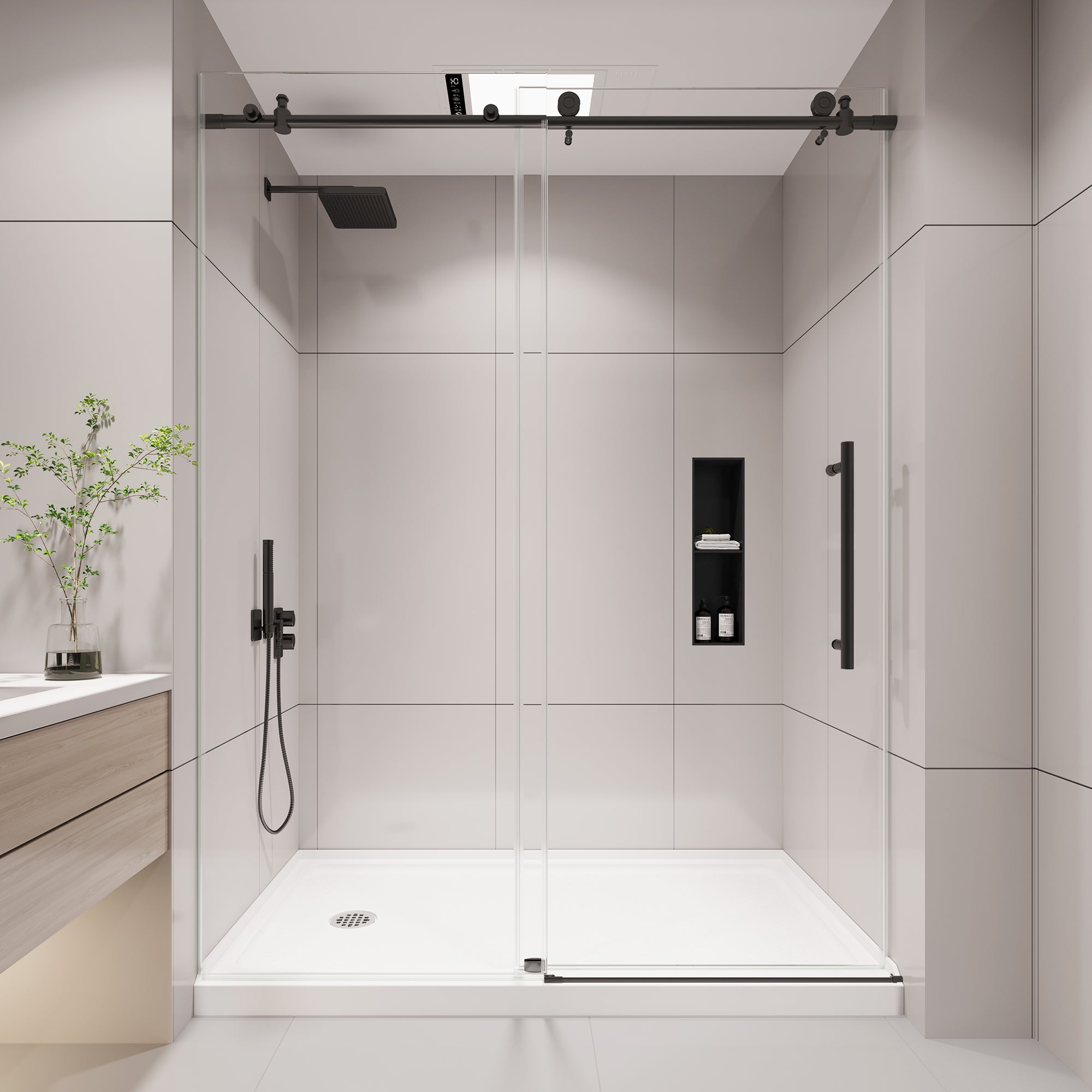
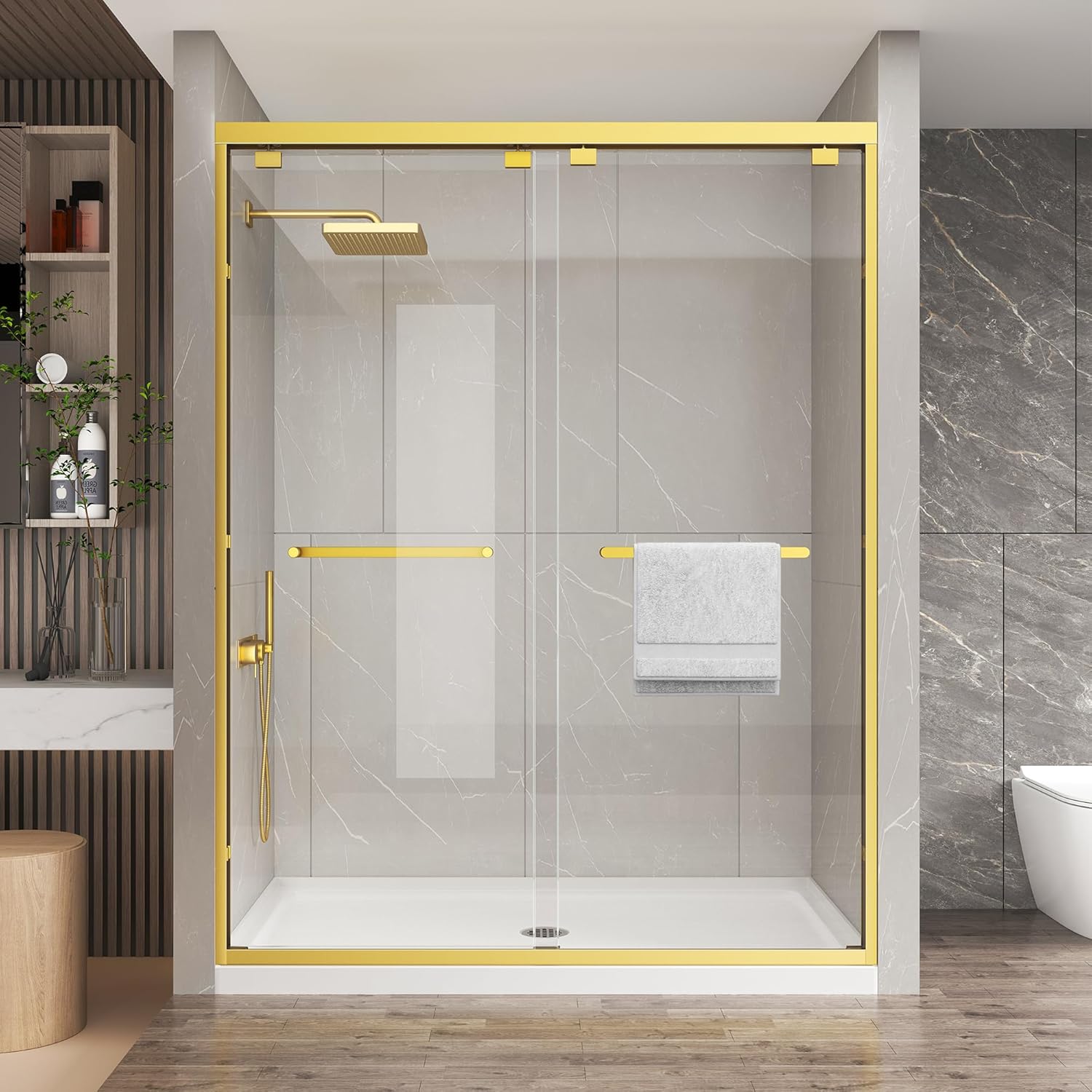
Basement bathrooms are frequently small and used as secondary baths. If the space is under 30"–32" wide or the homeowner prioritizes function over soaking, a shower base is often the practical choice. Consider a prefabricated shower base to avoid complex drain alterations and to simplify waterproofing.
If you decide a shower base makes more sense, check out Shower Bases for a selection of low-profile factory pans that work well in basements where the floor slope and access are limiting factors.
Real jobsite experience: what I see every basement remodel
On dozens of jobs I’ve run into the same issues: walls out of plumb by 3/4"–1", joists weakened by previous DIY work, and a drain location that’s 1–2" off the expected centerline. Those tolerances matter. For example, one renovation had a drain center 2" toward the exterior wall compared to the tub spec. We re-plumbed, which added a day's work and an extra material cost. My rule: never order a tub until I’ve verified the drain centerline, stair clearance, and floor deflection limits in person.
Practical fix I use: for out-of-plumb walls I install adjustable jambs and use a 1/4" flexible waterproof trim at the top — it looks clean and saves rework. For weak joists, I sister with a 2x8 and add a continuous plywood platform for the tub to sit on.
Frequently asked questions
What size tub is best for a small basement bathroom?
For a compact basement bathroom, a 54" alcove tub or a 48" soaking tub (if height allows) is often the best balance. These sizes fit most small footprints and are easier to carry through narrow stairs. Always field-verify the finished floor to the exterior wall dimension before ordering.
Can I put a cast-iron tub in a basement?
Yes, but only after confirming the floor can support it. Cast iron can weigh 300–500 pounds empty, plus water and a person. I commonly require joist reinforcement or a continuous bearing platform. If you don’t want the structural work, choose an acrylic alternative.
Do I need tempered glass for a tub-shower in a basement?
Any glass used as a shower door or fixed panel should meet safety standards—ANSI Z97.1 is commonly referenced for safety glazing. Typical thicknesses for shower doors are 3/8" or 1/2", but confirm with the manufacturer and local code. For more guidance on kitchen and bath design standards, see the NKBA resource: NKBA.
Final notes
Basement bathrooms reward practical choices. Pick a tub that matches the floor structure, fits existing rough-ins, and tolerates out-of-plumb walls. When in doubt, choose a lightweight acrylic alcove or a low-profile soaking tub, and plan on a short site visit with a qualified contractor before purchasing.
If you’re leaning toward a shower instead of a full tub because of floor slope or access, consider factory-made shower pans as a reliable alternative — they minimize plumbing changes and speed up installation.
For design help and products that fit basement constraints, check local standards and the NKBA guidance for planning, and if you need a compact, reliable pan option, look through the Shower Bases collection linked above.
Want a site assessment? If you have measurements and photos, a contractor can tell you quickly whether your floor needs reinforcement and which tub style will install without costly surprises.

Laisser un commentaire
Tous les commentaires sont modérés avant d'être publiés.
Ce site est protégé par hCaptcha, et la Politique de confidentialité et les Conditions de service de hCaptcha s’appliquent.