
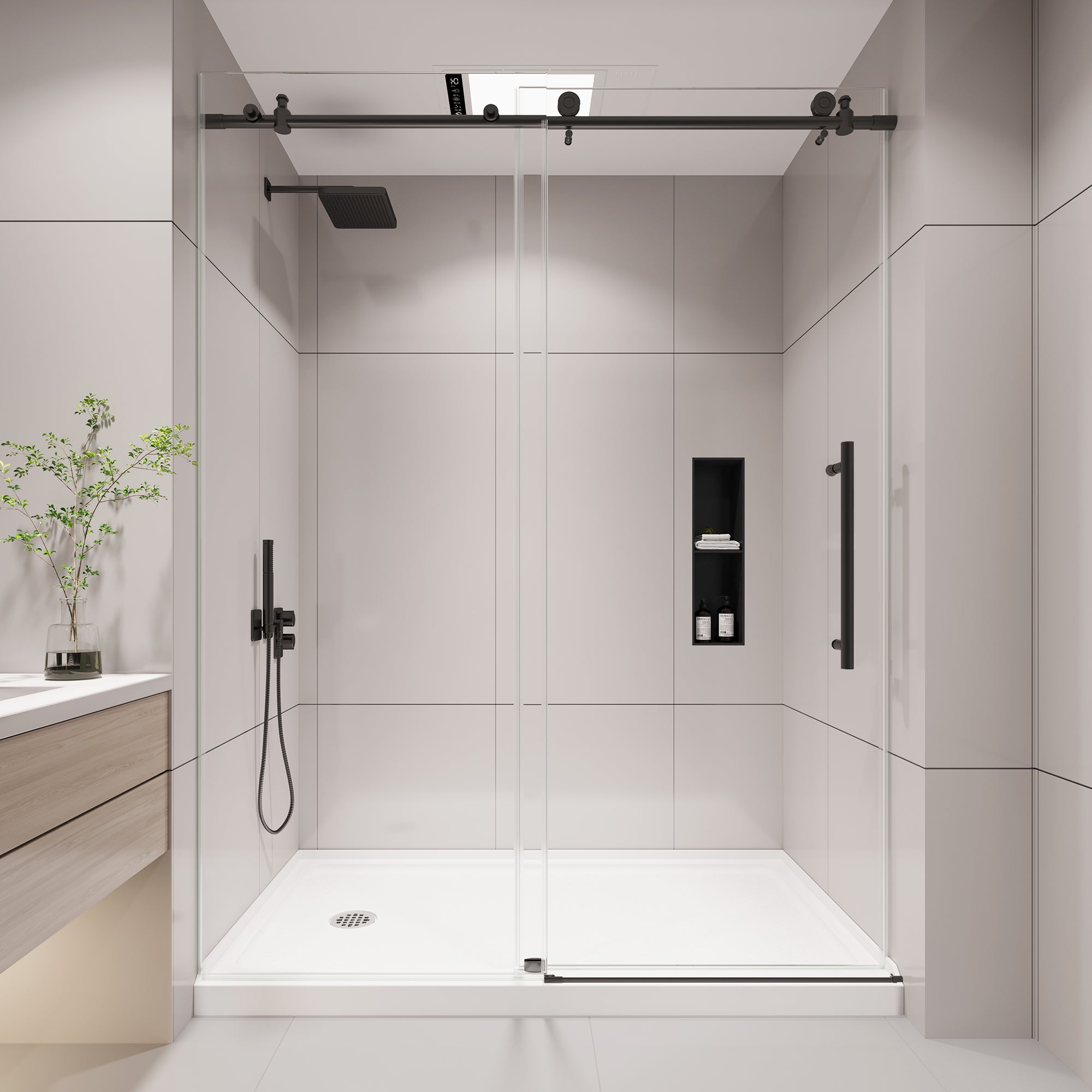
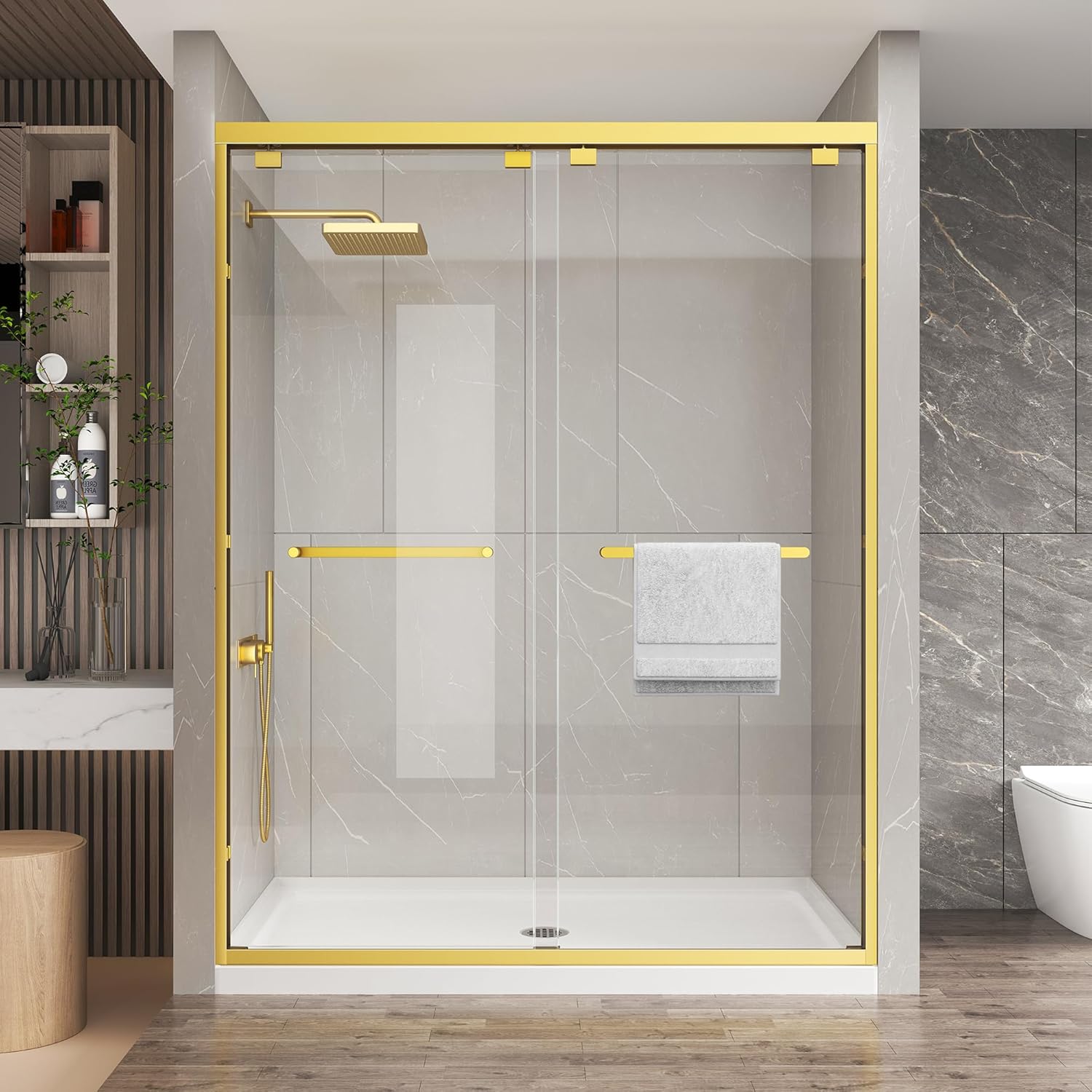
Uneven tile lines can turn a routine shower door selection into a frustrating, expensive headache. As a contractor who's been on hundreds of bathroom remodels across the U.S., I see the same problems: out-of-plumb walls, tiles that weren't set square, low or inconsistent curb slopes, and homeowners surprised by how small installation tolerances really are. In 2026 the trend is toward minimal hardware, frameless glass, and wet-room styling — but those looks demand precise fits. This guide gives practical, jobsite‑tested advice so you pick a shower door that works with your tiled reality, not against it.
Quick Answer for Busy Homeowners
Short answer: If tile lines are uneven by more than 1/8" per foot or walls are out-of-plumb by more than 1/4", choose a framed or semi-frameless system with an adjustable jamb and/or reveal profile, or plan for a custom frameless install with grout joints patched and shimmed. Frameless doors look great but require the tightest tolerances and often need tile adjustments or custom glass fabrication. For a balance of aesthetics and field tolerance, a semi-frameless sliding or hinged door with a 3/8" to 1/2" tempered glass and adjustable jambs is usually the most reliable option.
How to Assess Your Tile and Framing
Start before ordering glass. A good assessment saves money and avoids delays.
- Check plumb and level: Use a 48" level; note deviations top-to-bottom and corner-to-corner.
- Measure tile runs: Look for lippage and uneven grout lines. Measure at multiple heights — walls can lean at different angles at the top and bottom.
- Inspect curb slope: Confirm the curb is level side-to-side and has correct slope to drain (1/8"–1/4" fall typical).
- Note rough-in dimensions: Door width, rough opening, and any finished tile lip thickness matter when ordering glass/frames.
Document everything with photos and measurements. If deviations exceed the typical installation tolerances (more than 1/4" over the height), plan for corrective work.

Door Types and Which Handle Uneven Tile
Not every door type handles site errors the same. Here’s a practical comparison:
| Door Type | Typical Glass Thickness | Field Tolerance (out-of-plumb) | Best Use with Uneven Tile |
|---|---|---|---|
| Frameless Hinged | 3/8" (10mm) – 1/2" (12mm) | Low — ≤ 1/8" | Only after tile and jamb corrections |
| Semi‑Frameless Hinged | 3/8" | Moderate — ≤ 1/4" | Good compromise for older homes |
| Framed Sliding | 1/4" – 3/8" | High — ≤ 3/8" | Best for large deviations |
| Neo‑Angle / Custom Panels | 3/8" – 1/2" | Varies — depends on custom fabrication | Works when custom glass is cut to fit |
Takeaway: Framed and semi-frameless systems provide more forgiveness for tile imperfections. Frameless is possible, but expect additional work — grout adjustments, shimming, or even re-tiling in extreme cases.
Installation Strategies and Tolerances
Here's how experienced installers deal with uneven tile lines on the job:
- Shim and pack the jamb: Use stainless steel shims behind the frame to correct out-of-plumb conditions up to 3/8". Always place shims at anchor locations, not continuously under profiles.
- Use adjustable jambs or filler profiles: Many semi-frameless systems come with adjustable jambs that can accept tile irregularities up to 1/4". These keep a clean sightline without custom glass cuts.
- Custom glass cutting: For neo-angle or asymmetrical reveals, have glass templated after tile is finished. Leave a 1/8"–3/16" gap around glass per ANSI/industry practice for silicone and movement.
- Control the bottom seal and curb: Maintain a consistent gap for sweep seals. If curb slope varies, consider a continuous sill track or a full-height threshold to reduce leak risk.
- Tempered glass spec: Follow safety standards — tempered glass typically is 3/8" or 1/2" for frameless doors. Verify compliance with local codes and ANSI/ASTM specifications; double-check edgework quality for field cuts.
Installation tolerances are small. For example, when installing 3/8" tempered glass, you want less than a 1/8" twist across the hinge line. If you can’t guarantee that, choose a product with more adjustability or plan corrective tile work first.
For technical safety references, consult the National Kitchen & Bath Association guidance on shower design and the U.S. Consumer Product Safety Commission on glass safety.

Real Jobsite Experience and Examples
On a recent 1920s bathroom remodel I inherited walls that were up to 5/8" out-of-plumb at the top of a 78" panel. The owner wanted frameless. My recommendation: re-profile the tile, add a thin backer where tile was low, and use a custom-cut 1/2" tempered glass with a continuous hinge and a satin channel. We left a 3/16" perimeter gap to allow silicone and movement. Total extra labor (tile patch + glass templating) cost more than the homeowner expected, but the result was durable and leak-free.
A more common case: suburban 1980s houses with 1/4" irregularities. For those, I specify a semi-frameless bi-fold or sliding door. The frame covers the worst of the irregularities and the hardware tolerates the small offsets. The glass thickness is typically 3/8", and I still leave 1/8" per side for sealing.
Jobsite tip: Always order glass after tile is fully cured and grouted — never rely on pre-tile measurements. If you can, have the glass templated on-site. That saves a trip and avoids costly re-cuts.
Step-by-Step Decision Checklist
Follow this practical checklist before you buy or schedule a shower door install:
- Measure finished opening at top, middle, and bottom. Record out-of-plumb and tile lip thickness.
- Decide style: frameless, semi-frameless, or framed based on measurements and desired look.
- Identify required glass thickness (3/8" standard for semi-frameless; 1/2" for larger frameless panels).
- Check manufacturer installation tolerances and anchoring details.
- Plan for shimming, backer boards, or tile rework if deviations exceed product tolerance.
- Order glass after tile/grout completion or schedule on-site templating.
- Inspect hardware for corrosion resistance (stainless grade) and verify hinge details for final plumb adjustments.
Also keep a small bag of common jobsite extras: 304 stainless shims, clear silicone rated for wet areas, replacement sweep seals, and a small selection of trim profiles — you’ll thank yourself when the installer hits an unexpected tile ledge.
Frequently Asked Questions
Can I install a frameless shower door with uneven tile?
Yes, but only if tile deviations are corrected or within very tight tolerances (usually ≤ 1/8" to 1/4" depending on the hardware). Frameless glass requires precise hinge alignment and consistent reveal. If the tile or wall is too far out-of-plumb, expect either extra tile work, use of custom glass templating, or to choose a semi‑framed system instead.
What gap should I leave between glass and tile?
Industry practice is to leave a perimeter gap of about 1/8" to 3/16" for silicone sealant and movement. For bottom sweeps, allow the sweep manufacturer's recommended clearance — usually 1/4" for a good water seal while avoiding rubbing.
How thick should the tempered glass be?
For typical residential use: 3/8" (10mm) is common for semi-frameless doors and smaller frameless panels; 1/2" (12mm) is used for large frameless panels or heavy-duty doors. Always confirm with the door manufacturer and ensure glass complies with safety glazing standards.

Wrap Up & Next Steps
Choosing the right shower door for uneven tile lines is about matching product tolerance to site reality. Framed and semi-frameless systems offer the most leeway where walls and tiles aren’t perfect. Frameless delivers the cleanest look but demands the most prep work, precision, and thicker tempered glass. Measure after tile, consider on-site templating for custom panels, and always plan for shims, jamb adjustment, and a small silicone gap.
If you're shopping for reliable, field‑friendly options, browse a curated selection of products that balance looks and tolerances at KPUY Shower Doors. If you're unsure, a site visit from a contractor to take final measurements will save time and money in the long run.

Laisser un commentaire
Tous les commentaires sont modérés avant d'être publiés.
Ce site est protégé par hCaptcha, et la Politique de confidentialité et les Conditions de service de hCaptcha s’appliquent.