
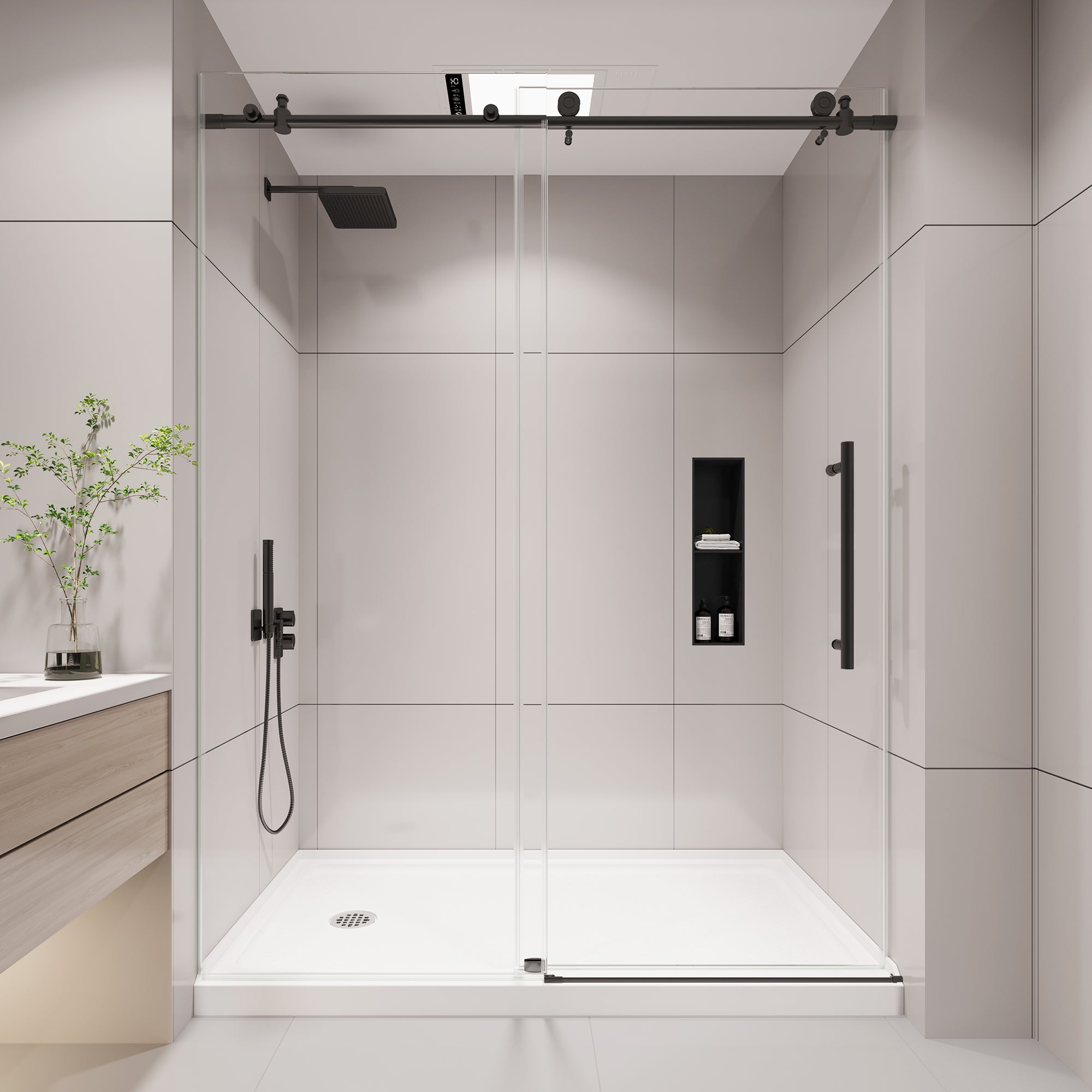
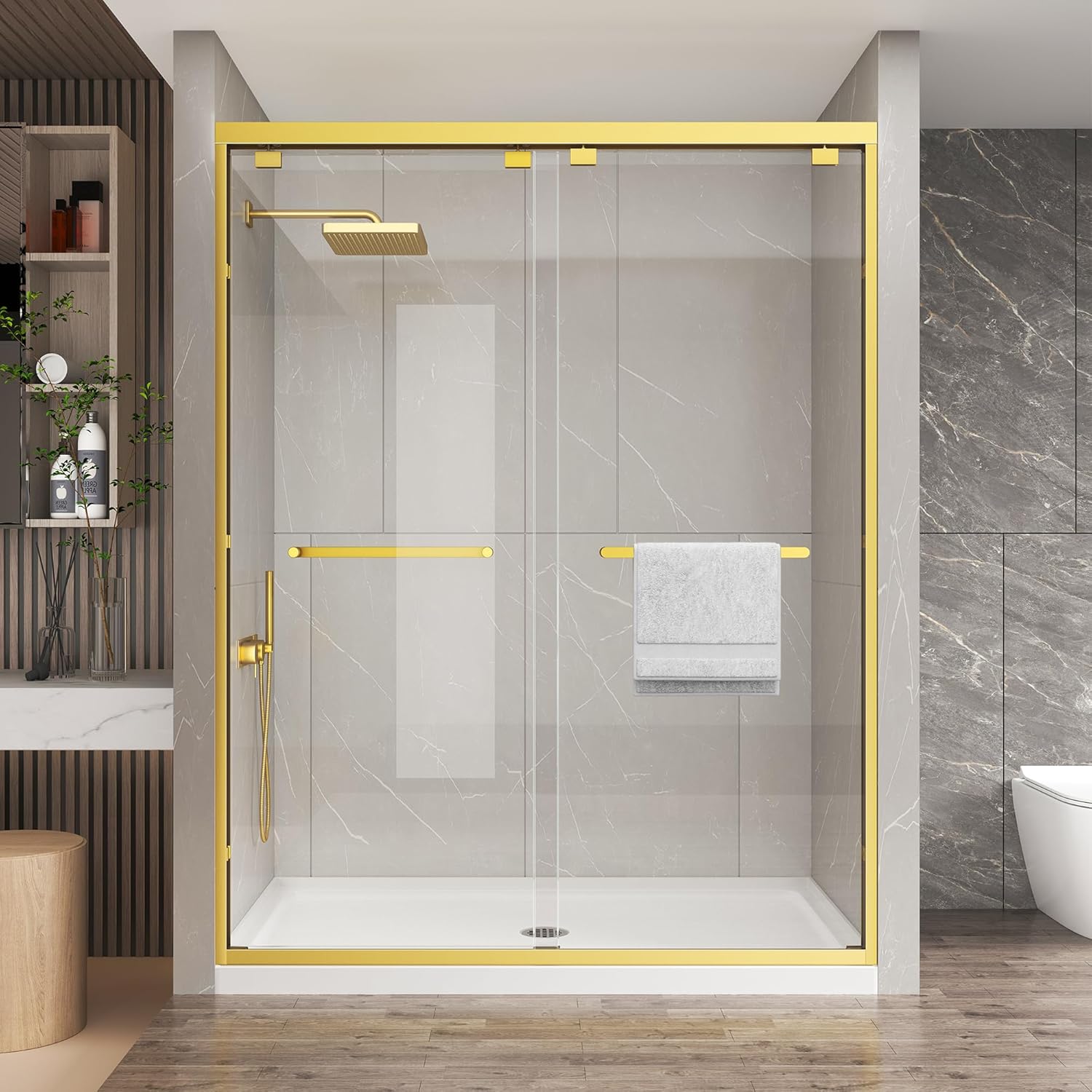
Small bathrooms force decisions: you need a shower base that fits the footprint, clears the door swings and vanity, meets code and still gives a comfortable showering experience. As a contractor with 20+ years installing showers in Chicago rowhouses and California bungalows, I focus on practical dimensions, real-world tolerances and proven installs that survive years of use. 2026 design trends push for efficient layouts, walk-in showers and slimmer profiles—but the right base size still comes down to measurements, drain location and how out-of-plumb the walls are.
Quick answer for busy homeowners
Short answer: For most small bathrooms, a 32" x 32" or 36" x 36" shower base is the practical minimum. If your layout is narrow but long, a 30" x 60" or 32" x 48" rectangular base is a better use of space. Neo-angle corners can save floor space but require precise wall conditions and door planning.
Why this matters: anything smaller than 32" square feels cramped for average adults and limits door types. I routinely recommend starting your planning around those sizes and working from measured constraints rather than guesswork.

Measure and plan: what to check before choosing size
Start with a careful field measurement. Don’t rely on architectural drawings in older homes—the walls are often out of square or out-of-plumb. Here’s what I measure on day one:
- Finished floor to ceiling—verify there’s clearance for a sliding or hinged door and headroom for showerheads.
- Rough opening width and length—measure at multiple heights because walls can bow.
- Floor level and slope—a 1/4" over 2 feet slope is common; excessive settlement changes base choice.
- Existing drain location and rough-in—center, off-center or corner drains affect which preformed bases will fit without expensive rework.
- Plumbing and wall construction—stud spacing, blocking for grab bars or glass, and whether walls are tile-ready.
Rough-in tolerance tip: prefab bases usually allow +/- 1/4" variation at the drain and up to 1/2" for wall alignment. Plan for these tolerances and have a contingency if walls are more than 3/8" out of plumb in a 6' height.
Standard shower base sizes and where they work
Below is a quick reference table I use on site to match available bases to common small-bathroom layouts. These are the sizes you'll see from manufacturers and in stock at suppliers.
| Base Size | Best use | Typical clearance needed |
|---|---|---|
| 32" x 32" | Corner installations, primary small-bath remodels | 32" clear in front; sliding or neo-angle door recommended |
| 36" x 36" | More comfortable square option, fits many alcoves | 36" clear in front; hinged or sliding door |
| 32" x 48" / 30" x 60" | Narrow bathrooms with long walls; ideal by toilet and vanity | Min. 24" access in narrow dimension; long dimension allows standing area |
| 36" x 48" | Small master or shared hall bath with more room | 36" clear area; better for full-height glass panels |
| Neo-angle 36" (corner) | When door swing and toilet placement limit straight bases | Requires careful wall plumb; custom glass often needed |
Featured snippet style direct answer
If you have under 36 square feet of bathroom floor: choose a 32" x 32" or a 32" x 48" base depending on the shower orientation. For slightly larger footprints, 36" x 36" provides a more comfortable standing area and wider door options.
Layout considerations: doors, drains, and clearance
Choosing a base size is not only about the rectangle on the floor. These practical items control usability:
- Door type: sliding doors need a solid curb and track; swinging doors require clear swing area—often ruled by the vanity position.
- Drain location: center vs. quarter or corner drains alter the tile pattern and pan selection. Moving a drain is one of the costliest parts of a swap—avoid it when possible.
- Curb height and slope: a standard curb is 4" to 6". If you want low-threshold or barrier-free, you need careful subfloor prep and often a linear drain.
- Glass thickness for doors: tempered glass for shower doors is usually 3/8" (10 mm) for frameless showers and 1/4" (6 mm) for framed systems; check ANSI Z97.1 compliance and local code.
For small baths, a sliding door or neo-angle with a tempered glass panel often saves inches in swing and creates a perception of more space. If you plan to use glass panels, leave a 1/4" to 3/8" shim space at the top and sides to adjust for out-of-plumb walls.

Prefabricated shower base vs. tiled pan
Both systems work in small bathrooms, but there are trade-offs:
- Prefabricated bases are quick, waterproof out of the box, and come in standard sizes with built-in slopes and pre-molded curbs. They reduce waterproofing errors on site and are often less expensive in labor. If your rough-in drain is compatible, they’re the fastest way to get a reliable shower.
- Tiled pans allow custom sizes and layouts in tight spaces but require experienced installers to build proper mud pans, slope to the drain and install waterproofing like a membrane. Tiled pans are less forgiving of out-of-level floors and take longer to build and cure.
If you need a compact, reliable option and don’t want to rework plumbing, check stock options from reputable suppliers. I frequently specify a factory base because it keeps the timeline tight and reduces callbacks. See available models in this collection: Shower Bases.
Field experience: common surprises on remodels
Real job-site conditions change decisions. Here are the most common issues I see and what I do about them:
- Out-of-plumb walls: Older homes often have walls that are 1/4"–1/2" out of plumb over 6–8 feet. That affects glass fit and base squareness. We shim the base and install blocking for glass and grab bars, and leave a 1/4" adjustment gap for the door jambs.
- Incorrect drain placement: Many property owners discover the old drain is off-center for a new prefab base. On one recent Cape Cod remodel I shifted a drain 4" to avoid a clashing vanity; it added a morning of trenching and $400 in labor but saved the project from custom fabrication.
- Subfloor rot and squeaks: When removing an old tub, we often find rotted joist rim or soft OSB. Repairing the subfloor to a solid 3/4" plywood deck is mandatory before setting a base.
- Glass gaps and thickness: For small showers where glass meets tile, plan for a 3/8" tempered glass panel with 1/4" setting blocks and a 1/8" grout or sealant joint to accommodate movement.
Practical rule: measure three times at three heights, confirm drain position with a probe before ordering a prefab base, and budget 10–15% extra for on-site adjustments. Those contingencies cover minor framing, blocking, and drain offsets that commonly show up.
FAQ
What is the smallest comfortable shower base size?
For regular adult use, a 32" x 32" base is the smallest I'd recommend. Smaller dimensions like 30" x 30" are tight and better reserved for secondary guest bathrooms or kids' baths.
Can I use a 32" x 48" base in a 5-foot deep bathroom?
Yes. A 32" x 48" base fits well in a 5-foot (60") depth with space for a 24" vanity or toilet offset. Confirm door swing and fixture offsets first.
Do prefab bases meet code and waterproofing standards?
Most reputable manufacturers meet plumbing and safety standards, but you must still follow local code for drainage and waterproofing. The National Kitchen & Bath Association provides layout guides that are useful for planning and are a good reference for spacing and clearances: NKBA. For code-level plumbing and drain requirements consult the International Code Council guidance: ICC.
Final note: For a small bathroom, start with an honest on-site measurement and prioritize door clearance and drain location. Prefab bases are the fastest route to a watertight shower, while tiled pans buy you customization at the cost of time and skill. If you want to see stock options and dimensions, review a curated selection of reliable Shower Bases to match your footprint and rough-in.

Dejar un comentario
Todos los comentarios se revisan antes de su publicación.
Este sitio está protegido por hCaptcha y se aplican la Política de privacidad de hCaptcha y los Términos del servicio.