
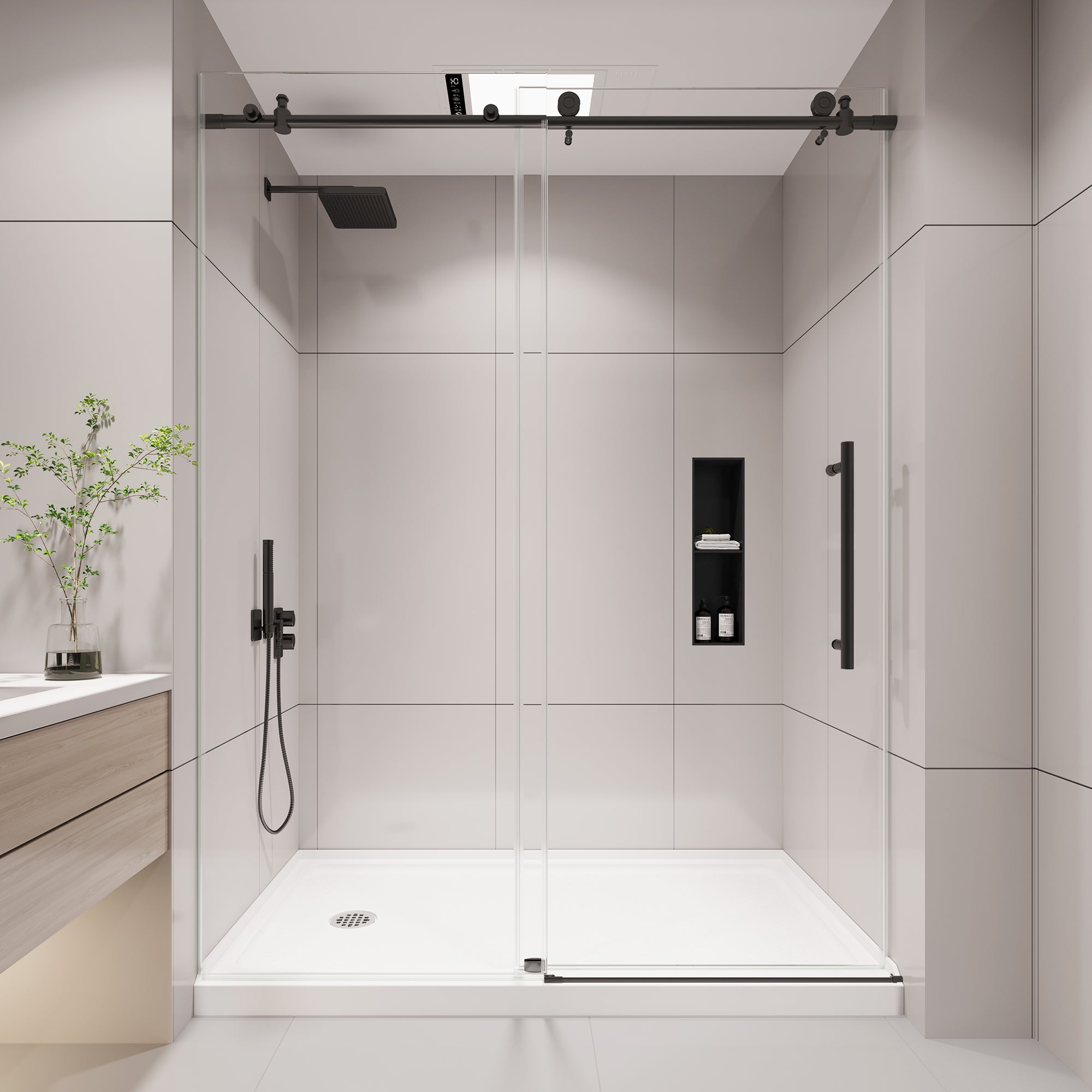
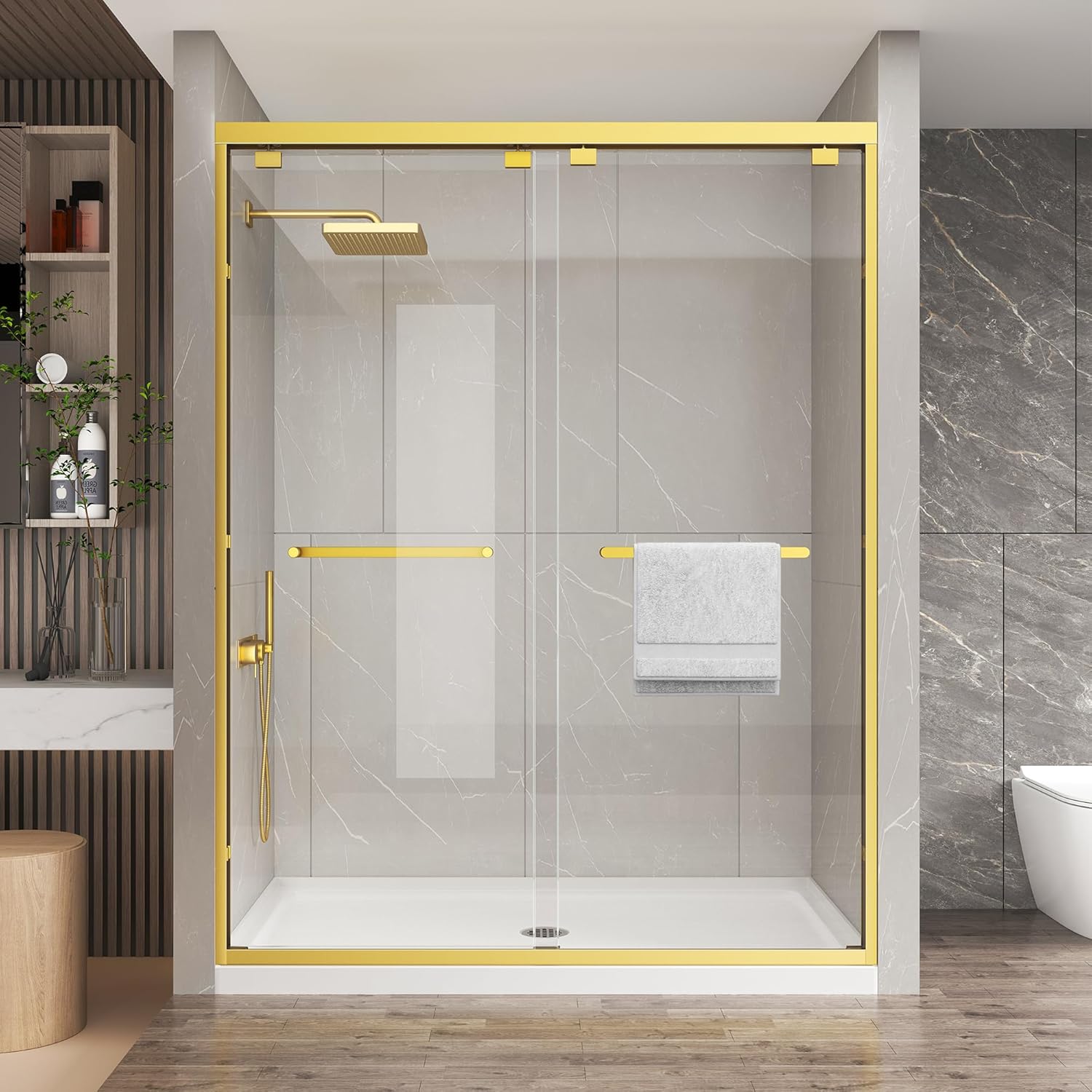
Shower bases look simple, but they’re the first part of a shower system to show wear and to tell you something’s wrong underneath. As a contractors with over 20 years on bathroom remodels, I see the same handful of problems show up first—sagging pans, grout-style movement, hairline cracks, and drainage issues—especially in older homes where walls aren’t plumb and drain rough-ins are off by an inch or more. With 2026 trends pushing for lower curbs, curbless transitions, and larger wet-wall panels, small tolerances become big problems if the shower base isn't right from day one.
Quick Answer
Most shower base problems that show up first are related to drainage and support: ponding water, uneven slope, and movement at the edges from insufficient blocking or a failed mortar bed. These symptoms appear before cosmetic failures because the base is the structural interface between floor framing, walls, and the drain plumbing.
Common Early Shower Base Problems
- Ponding (standing water) — water that doesn’t drain quickly after use.
- Sagging or bounce — a soft or springy feel when you stand in the shower, often fiberglass or acrylic pans.
- Edge separation — grout or caulk gaps at the curb and wall junctions.
- Cracks and hairlines — plastic or tile pans develop hairline fractures under point loads.
- Slow drain — clogging is common, but early slow drainage can signal improper pitch or a partially crushed trap arm.
- Water stains on adjacent ceilings — first sign of a hidden leak below the subfloor.
Why These Problems Show Up First
There are simple mechanical reasons why shower bases fail earlier than tile or glass: the base sits on the framing, connects to the drain, and takes all vertical loading. When any of those three elements are out of spec, small forces become failure points.
- Out-of-plumb walls change how the base meets the enclosure. A 1/2" deviation over 6 feet forces extra stress at the curb and threshold.
- Incorrect rough-in dimensions put the drain away from the low point; a 1" offset can cause permanent ponding.
- Insufficient bearing or shimmed supports allow fiberglass pans to flex under a 200 lb load if not fully supported with mortar or manufacturer-specified foam base.
- Improper curb slope traps water at the door; curb heights and angles need tight tolerances for curbless transitions popular in 2026.
- Wrong material choices — choosing a thin acrylic pan where a mortar bed is needed for tile can short-circuit longevity.
Real On-site Observations From Renovation Jobs
When I gut old 1970–1990 bathrooms, here’s exactly what I find and fix first:
- Walls not plumb by up to 3/4" in one corner. That forces the contractor to trim the door or shim the glass enclosure. If you buy off-the-shelf doors without leaving glass tolerance, the fit fails.
- A cast iron trap arm depressed 1/2" inside the floor chase — the pan sits flat but the trap doesn’t flow freely, causing intermittent backups.
- Fiberglass pans set on a few pebbles of mortar rather than a full 1" bed — the pan flexes and micro-cracks form within a year.
Those are not theoretical—they’re daily. I’ll often mark up the wall and floor with tape to show homeowners the exact spots where walls are out of plumb or the drain is off-center. That honest, measured feedback is what prevents callbacks.
Inspection & Repair Checklist
Use this checklist to triage a base problem. I recommend the steps in this order because they identify the root cause quickly and limit unnecessary demolition.
- Check for standing water and measure depth and location.
- Remove the drain cover and verify trap and trap arm slope (minimum 1/4" per foot per IPC/UPC).
- Place a level across multiple points of the base to find the low point and measure slope.
- Inspect support under the base—look for full mortar bed or manufacturer-prescribed foam support.
- Examine wall framing and check for out-of-plumb with a 4-foot level.
- Check caulk joints and the integrity of the curb-to-wall connection.
- Document drain rough-in location relative to center line; if off by more than manufacturer tolerance (often 1/2"–3/4"), plan for drain relocation.
Repair Priority Table
| Symptom | Likely Cause | Immediate Action | Urgency |
|---|---|---|---|
| Ponding water | Incorrect slope / drain offset | Measure slope, clear trap, plan re-pitch or relocate drain | High |
| Sagging pan | Insufficient support under pan | Remove pan, install full mortar bed or manufacturer support system | High |
| Edge separation | Out-of-plumb walls or failed caulk | Re-caulk with structural sealant, shim or sister studs if needed | Medium |
| Slow drain | Clog or improper trap slope | Snaking and camera if needed, check trap and venting | Medium |
Preventive Tips & Best Practices
Here are contractor-tested rules that reduce early failures:
- Always check rough-in tolerance against the shower base manufacturer’s spec—difference of 1/2" matters.
- For tile showers, use a full mortar bed under the pan or a quality pre-slope system. Avoid thin-set-only backing for pans that require rigid support.
- Maintain at least 1/4" per foot slope to the drain; confirm with a level and bucket test before tile.
- For glass enclosures, follow ANSI Z97.1 and plan for tempered glass thickness based on door height and lateral loads. Typical thicknesses are 3/8" to 1/2" for frameless doors. If walls are not plumb, leave extra clearance for glass tolerances.
- Follow IPC/UPC pipe slope rules for trap arms and drains; improper venting accelerates clog symptoms.
- When installing curbless showers, double-check curb slope and floor transitions—these systems have less margin for error.
Common Questions
How quickly do shower base issues become noticeable?
Often within the first year. Small flexing or a slightly off rough-in will show as ponding after a few months of use. Cosmetic cracks might take longer, but functional problems—slow draining or bounce—appear first.
Can a slow-draining shower base be fixed without tearing it out?
Sometimes. If the cause is a clog or a partially crushed trap arm, a camera and plumbing snake can clear it. If the base slope is wrong or the trap is misaligned, you’ll likely need localized rework or a drain relocation. Prioritize diagnosis before demolition.
What’s the best support method for a fiberglass or acrylic pan?
Full mortar bedding or manufacturer-approved support panels are best. Foam-filled pans can work but must follow the maker’s installation tolerance—improper support is the number-one cause of sagging and hairline cracks.
Wrap-up
Shower base problems show up early because the base is where structure, plumbing, and finishes meet. Focus first on slope, drain rough-in, and proper support. If you’re planning a remodel, document rough-in dimensions and wall plumbness before you choose tile, glass, or a pre-formed pan—those small measurements save a lot of rework. For homeowners shopping for reliable pre-formed pans and replacement options, check a vetted selection of Shower Bases to match manufacturer specs and installation tolerances.
For construction best practice references, see the NKBA installation guidelines and the International Code Council for plumbing codes: NKBA, ICC.

Dejar un comentario
Todos los comentarios se revisan antes de su publicación.
Este sitio está protegido por hCaptcha y se aplican la Política de privacidad de hCaptcha y los Términos del servicio.