
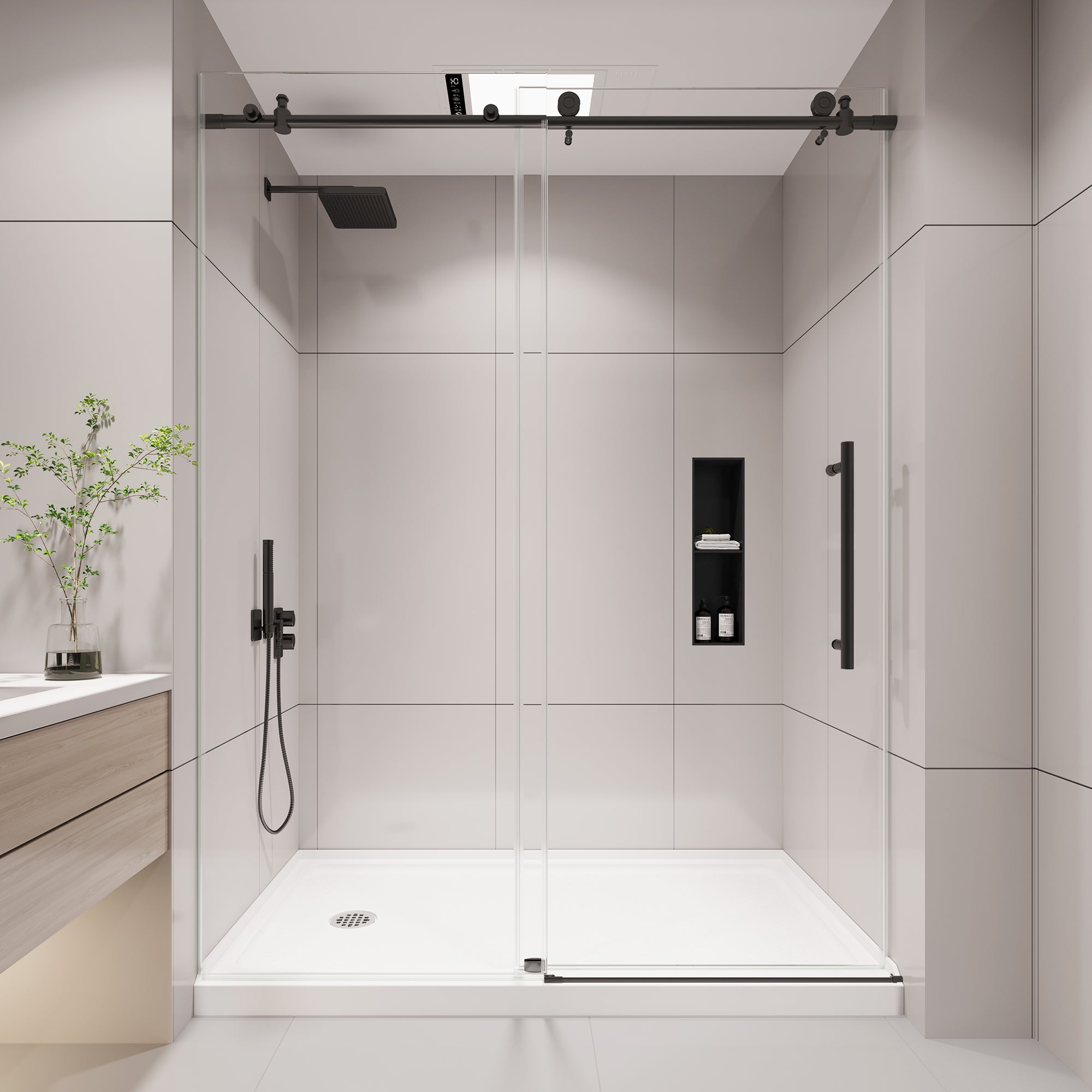
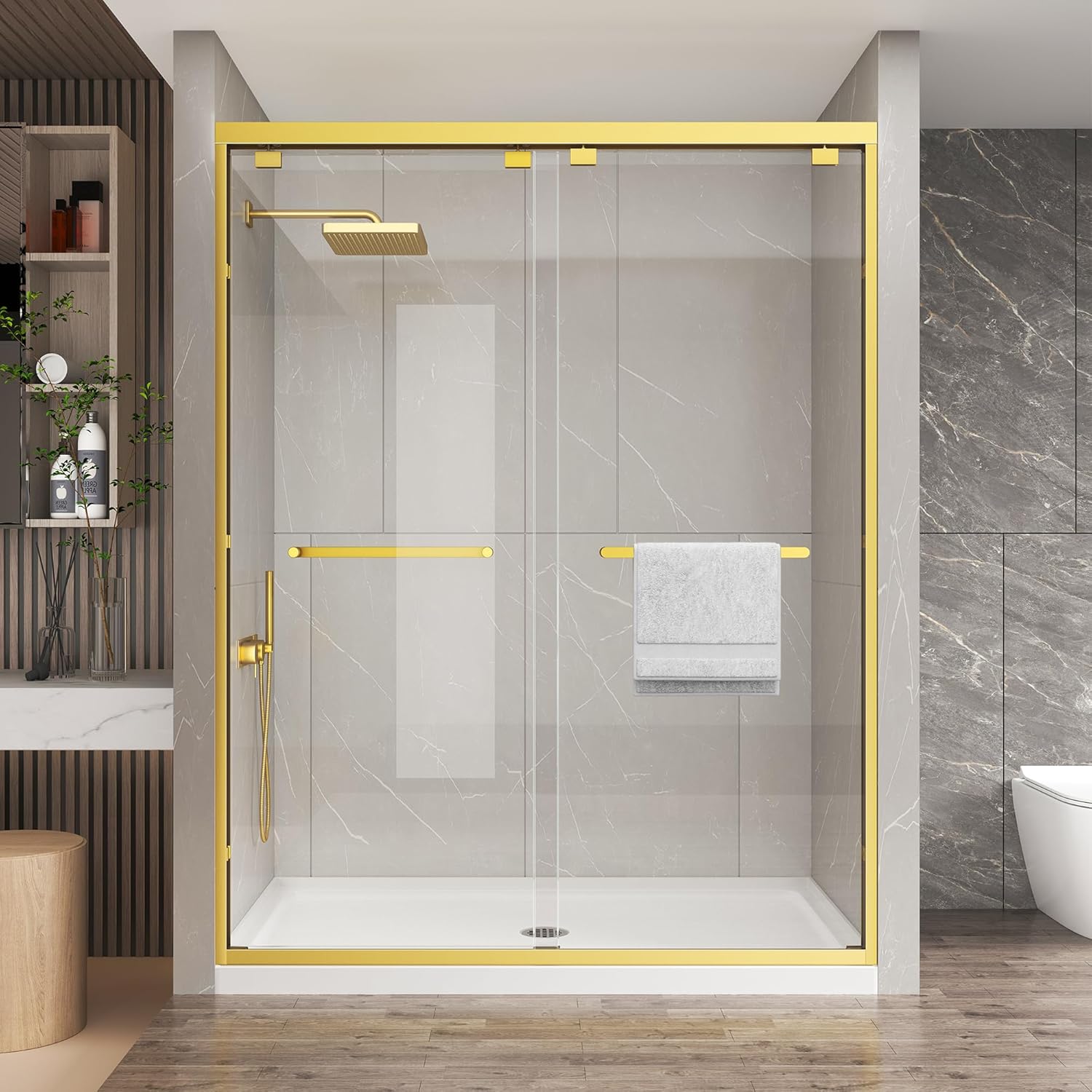
The first time a homeowner calls me frustrated that their new shower “already looks dirty,” it’s usually not because of poor cleaning habits. It’s because one or two shower base details were overlooked during design or installation. With 20-plus years running crews on American remodels, I can tell you which details actually change how quickly dirt, soap scum, and mineral film show on a shower floor — and which fixes deliver real results without tearing everything out.
Quick Answer (Featured Snippet Style)
The single most important shower base detail affecting whether dirt shows quickly is the base slope and surface texture combined with color choice. A base that holds water or has a glossy light finish will show mineral deposits and soap scum faster than a properly sloped, matte, mid-tone base. A well-designed drain location, minimal seams, and accurate out-of-plumb wall junctions also play major supporting roles.
Key Shower Base Details That Affect Dirt Visibility
Slope and Draining Performance
Water that doesn't evacuate quickly sits, evaporates, and leaves mineral rings and soap residue. We aim for a 1/4" per foot slope at the finished surface to the drain on tile pans; prefabricated bases often have factory-controlled slopes but must be checked at install. Common field issues include low spots from mud set shrinkage or out-of-plumb curbs that trap water against the threshold.
Material and Surface Texture
Material choices — acrylic, fiberglass, cast polymer, tile over mortar — matter. Smooth, glossy surfaces show streaks and water spots quickly; textured or matte finishes hide them. But there’s a trade-off: more texture holds soap scum and grime in the microscopic valleys. For most homeowners I recommend a matte or low-sheen molded base in a mid-tone color for balance.
Color and Contrast with Grout/Tile
Light-colored bases (white or bright off-white) show reddish-brown hard-water deposits and soap scum easily. Very dark bases show streaks and mineral haze. Mid-tone greys, tans, or subtle patterns hide daily use. Also consider contrast with grout and tile: a dark grout line next to a light base makes soap film and soap scum more visible at the joint.
Joints, Seams, and Curb Design
Each seam or joint is a dirt trap. Prefab bases reduce seams; mortar beds and tiled pans have grout lines that require leaks-free slope and caulked transitions. A well-designed curb with a slight slope away from the shower face prevents pooling and staining on the side of the threshold.
Wall Junctions and Glass Enclosures
Out-of-plumb walls force silicone joints and glass panels into unnatural angles, creating gaps that trap soap and scum. When you have a glass door, tempered glass thickness and fitting matter: 3/8" or 1/2" tempered glass with correct clearances reduces wipe marks because seals compress properly and water is guided to the drain. Check ANSI standards and the door manufacturer’s specs for installation tolerances.
Finish Treatments and Sealants
How the base was sealed influences dirt buildup. Untreated grout or porous stone absorbs oils and soap; a penetrating sealer or factory-sealed base repels soap scum and slows staining. Silicone joints should be smooth and continuous — rough tooling leaves ridges that hold deposits.
Real Jobsite Experience: What I See on Remodels
On older homes, the most common problem is out-of-plumb walls. I’ve ripped out dozens of tiled pans where walls leaned 3/8" or more over a 6-foot height — that’s enough to force water into a corner where it pools and evaporates, leaving mineral dark rings. We measure and shim, not guess.
Another frequent source of complaints: installers leave no tolerance for the glass or door hardware. If you don't allow the recommended 1/16"–1/8" clearance between glass and tile or base, the silicone bead gets crushed and camouflages dirt — but it also traps soap behind stiff beads that are impossible to clean. I always leave the specified gaps and use a continuous, well-tooled bead where water flow is predictable.
In tight suburban baths we also see curb slope issues. If the curb slopes into the shower, water runs back out during use and leaves residue on the bathroom floor and curb face. Properly sloping the curb away from the shower (or using a slanted threshold design) solves that.
Installation Tolerances and Codes You Should Know
Good installation practice intersects with code and manufacturer requirements. A few practical points:
- Rough-in dimensions must match the drain location and flange height. If the flange sits too high or low relative to finished tile, the base won't seat or will trap water.
- Follow the IPC / UPC plumbing standards for drain assemblies and waterproofing. These affect long-term performance and how quickly deposits show as a symptom of standing water.
- Glass doors and panels should comply with ANSI Z97.1 for safety glazing and the manufacturer's recommended clearances and fastener torque. Improperly fitted glass impacts water management at the threshold.
For standard industry guidance see the National Kitchen & Bath Association at NKBA and code resources from the International Code Council at ICC.
Maintenance and Cleaning Tips That Actually Help
Design can only do so much; homeowners need practical cleaning steps that reduce the rate dirt shows:
- Install a squeegee and use it after each shower to remove surface water — this reduces mineral deposits dramatically.
- Use a soft, daily cleaner designed for your base material. For stone or tile, a pH-neutral cleaner prevents dulling of sealer.
- Re-seal grout and stone annually. Factory-finished acrylic and cast polymer bases don’t need sealing, but porous tile does.
- Keep hardware and glass wiped to prevent drip trails entering the base area.
Small routine steps lengthen the time between heavy cleanings and make the base look newer, longer.
Material Comparison Table: How Different Bases Show Dirt
| Material | How Dirt Shows | Practical Fixes |
|---|---|---|
| Acrylic / Molded | Shows streaks on glossy surfaces; matte hides better | Choose matte, mid-tone; install proper slope; wipe after use |
| Cast Polymer / Solid Surface | Good at hiding minor stains; repairs possible | Penetrating finish, smooth joints, proper drain height |
| Tile over mortar | Grout lines collect soap and mineral stains | Use narrow grout joints, quality sealer, pitch to drain |
| Fiberglass | Scratches show; textured finish hides light soiling | Avoid harsh abrasives; consider replacement if scratched |
Practical Checklist for Contractors and Homeowners
- Measure for out-of-plumb and shim wall substrates before setting the base.
- Confirm drain flange elevation against the finished floor and the base manufacturer’s instructions.
- Choose a mid-tone, low-sheen base material when dirt visibility is a priority.
- Minimize seams; use prefab bases when possible to reduce grout lines and maintenance.
- Tool smooth, continuous silicone joints and allow proper cure before first use.
- Plan glass door clearances to meet ANSI and manufacturer tolerances.
For homeowners shopping for a replacement or upgrade, prefabricated options eliminate much of the field variability. Browse reliable models and sizes at Shower Bases to compare finishes and drain placements that reduce dirt visibility.
FAQs
Why does my new shower base show mineral streaks after the first few uses?
Mineral streaks are usually from hard water evaporating on the surface. If the base has low slope or a flat spot, water pools and leaves deposits. Correct slope, better drain placement, and a simple routine (squeegee after use) will cut streaking by 80%.
Will a textured base hide dirt better than a smooth one?
Textured, matte bases hide light streaks and smudges better than glossy finishes, but they can trap soap scum in microscopic valleys. I typically recommend a subtle texture with a mid-tone color — it’s a practical compromise between appearance and cleanability.
Are prefab shower bases better at preventing dirt buildup than tile pans?
In most retrofit situations, yes. Prefab bases come with consistent factory slopes, seamless transitions, and non-porous surfaces. Tile pans give you design flexibility but require precise slope, quality grout, and annual maintenance to prevent visible dirt buildup.
Wrap-up
In short: slope, surface finish, and how the base meets the walls and drain determine how quickly dirt shows. Tackle those details at the planning and install stages, and you cut down cleaning time for the life of the shower. If you’re planning a remodel and want to avoid the common pitfalls I see on jobsites, start by choosing a mid-tone, low-sheen base with a proven drain layout — and double-check rough-in dimensions and wall plumb before you set anything. For shopping options that reduce seams and variability, check the range of Shower Bases.

Dejar un comentario
Todos los comentarios se revisan antes de su publicación.
Este sitio está protegido por hCaptcha y se aplican la Política de privacidad de hCaptcha y los Términos del servicio.