
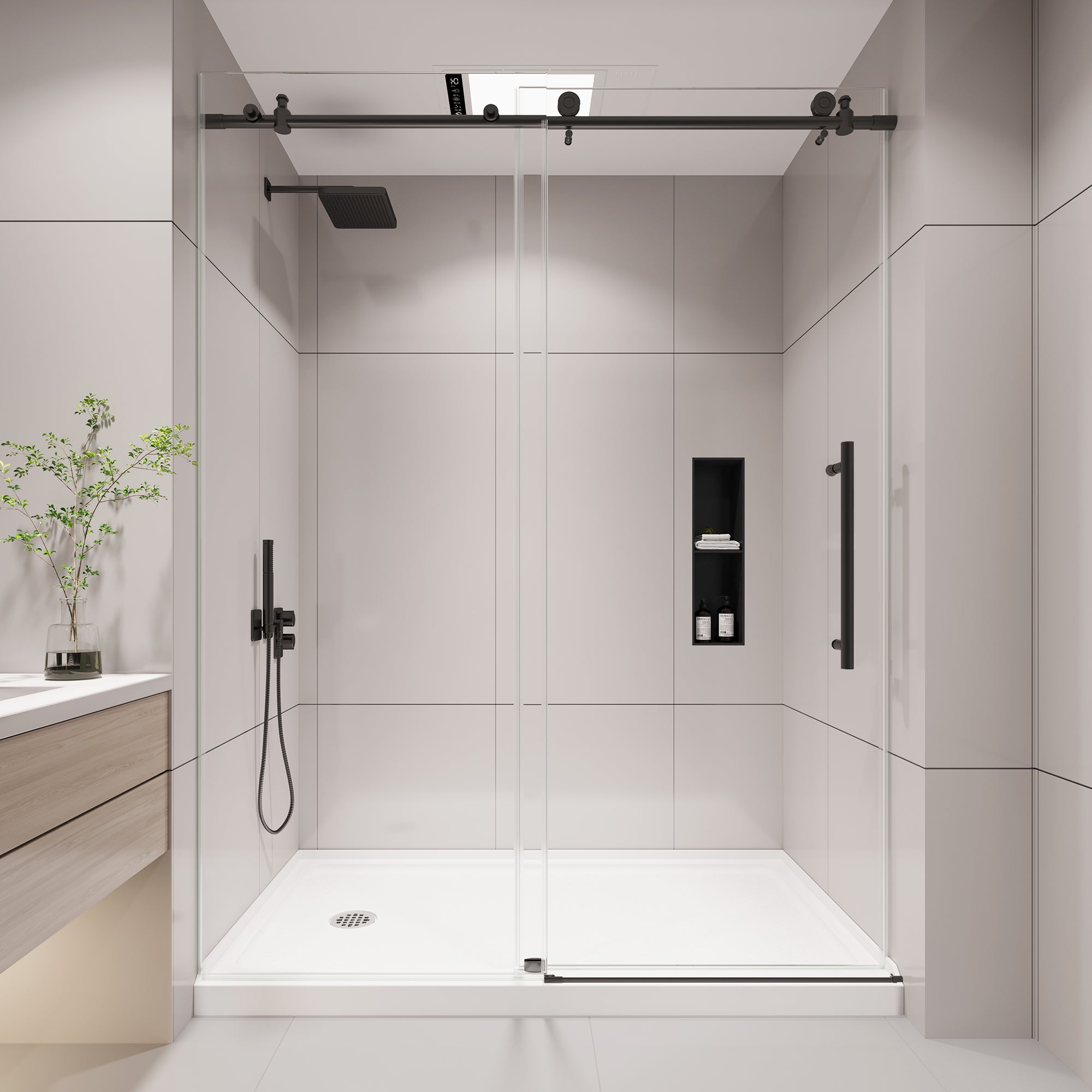
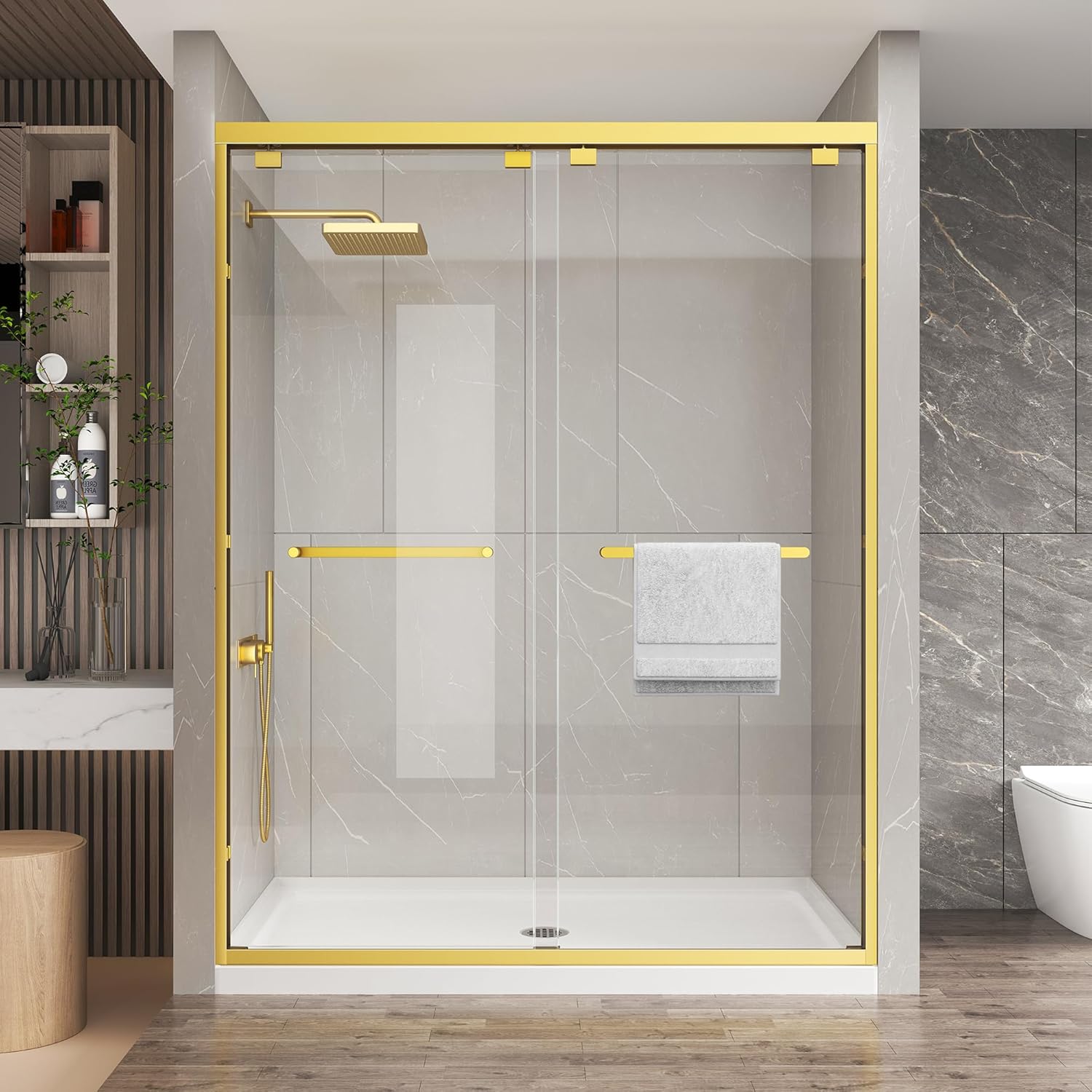
When homeowners ask me "what shower base depth do I need?" they're usually standing in a cramped bathroom imagining a safer, more modern shower — or worrying about an older home's unpredictable framing. In 2026 the trend is clear: more walk-in, lower thresholds, and thicker tempered glass. But the right shower base is a balance between user comfort, local code, drain slope, and what your walls and subfloor will actually allow. Below I give direct, field-tested guidance so you can make the correct choice before demolition starts.
Quick Answer
Short, direct answer: For most American bathrooms in 2026 you want a shower base that is at least 36 inches front-to-back (depth) for a comfortable standing shower, with a minimum of 30 inches acceptable in tight replacements. For universal access or walk-in comfort, target 48–60 inches depth. If you mean base profile height, modern low-profile pans range from 3/4 inch to 2 inches; traditional mortar/tile systems are thicker (4–6 inches). Use the rest of this article to match those figures to your rough-in, glass, and curb choices.
Why Depth Matters
Depth affects three practical things on every project: water control, user comfort, and installation tolerance. A shallow base in a shower with a sliding or frameless glass door can allow splash-out. A narrow 30" base makes the space feel cramped for most adults; a 36" or 48" base lets you turn and reach controls safely. Depth also ties into the drain location and slope — you need consistent fall (typically 1/4" per foot) from the farthest wall toward the drain.
Typical Shower Base Depths (and When to Use Them)
The table below summarizes common front-to-back base depths and typical scenarios where they work best. These are practical field numbers — not marketing fluff.
| Base Front-to-Back Depth | Profile / Height (typical) | Best Use |
|---|---|---|
| 30" (minimum) | 3/4"–2" (preformed) | Small replacements, condo baths, tight alcoves — acceptable but tight for adults |
| 32"–36" | 3/4"–3" | Standard single-person showers; good compromise for remodels |
| 36"–48" | 2"–6" (tile over mud bed or solid pans) | Preferred for comfortable walk-ins and frameless doors |
| 48"–60"+ | Tile-on-slab or custom pans | Accessible showers, spa-style or two-person showers |
Jobsite Realities: Out-of-Plumb Walls & Installation Tolerances
Here’s where experience matters. On older houses you'll encounter out-of-plumb walls, uneven subfloors, and plumbing rough-in offsets. I’ve had jobs where the shower niche wall was 5/8" out of plumb over a 4-foot height — that changes the glass size and the base placement. Always measure finished wall angles at three heights and confirm the drain center to within 1/4".
Typical tolerances contractors work with:
- Wall plumb tolerance: plan for up to 3/4" over 8 feet in older homes.
- Drain location: allow ±1/2" unless relocating with advance planning.
- Glass spacing: reserve 1/8"–3/16" per side for frame or sealant; more for heavy frameless systems.
Practical tip from the field: when replacing a tiled shower with a preformed acrylic pan, measure the slope under the existing mortar bed and check sill height to make sure the new pan's drain lines up. If you don't, you'll be cutting the pan or chasing the subfloor — both expensive fixes.

How to Choose the Right Base — Step by Step
Choose a base by working through a simple checklist. I'll give you the order I use on every remodel to avoid surprises:
- Measure finished opening (tile or wall surface to surface) at three heights and diagonally.
- Confirm drain rough-in (center location and pipe size — most codes expect a 2" trap and drainage line for showers).
- Decide threshold/curb: curbless/zero-entry vs. standard curb (4"–6"). Curbless needs a floor-wide slope and often a linear drain.
- Select glass system: frameless doors need tighter tolerances and typically thicker tempered glass (3/8" or 1/2"). See ANSI safety glazing rules.
- Pick material: acrylic/preformed for speed; solid-surface or tile on mortar for durability and customization.
- Account for installation method: preformed pans are thin; mortar beds raise floor depth but provide custom slope and drain placement flexibility.
When shopping for a pan, inspect the manufacturer's drain position and how much material is trimmedtable. Preformed pans are great for replacing like-for-like. For a new, larger shower consider a custom mud bed or a low-profile solid-surface pan that supports frameless glass.
For practical product browsing, check a range of modern options like Shower Bases to compare profiles and drain positions before committing to demolition.

Codes, Standards & Important Specs
Know the rules that will affect depth and installation:
- IPC/UPC Plumbing: Most local jurisdictions follow the International Plumbing Code or the UPC for drain pipe size and trap requirements — plan on a 2" drain connection for new installations.
- Shower floor slope: standard is 1/4" per foot to the drain for mortar beds; preformed pans are factory-sloped.
- Glass safety: tempered glass must meet ANSI Z97.1 and most frameless installations use 3/8" (10mm) or 1/2" (12mm) tempered panels depending on height and hardware.
- Accessibility: ADA and local accessibility rules require specific clearances and threshold heights for public or multi-family housing; for private homes follow best practices for curbless entries if you want universal access.
For design guidance and recommended clearances see the National Kitchen & Bath Association resources at NKBA. For code interpretations and official code text consult the International Code Council at ICC.
Cost and Timeline Impact
Depth decisions affect budget and schedule. A simple swap to a similarly sized preformed pan can be completed in a day or two once walls are prepped. A tile-on-mortar custom shower with a deeper base and linear drain adds days of work (drying time for mud bed and thinset). Heavy adjustments — moving a drain, rebuilding a subfloor for curbless entry, or correcting stud out-of-plumb conditions — add cost and time.
- Preformed acrylic pan replacement: typically 1–3 days labor.
- Tile-on-mud-bed custom shower: 4–10 days depending on curing times.
- Curbless conversion and floor re-slope: can add 2–5 days and usually requires a subcontractor for waterproofing.
FAQ
What is the minimum usable shower base depth?
The practical minimum is 30 inches front-to-back. It's usable in tight spaces but will feel cramped. If possible, aim for 36 inches for a much more comfortable user experience.
How tall should the shower curb be?
Standard curbs are usually between 4 and 6 inches. Low-profile curbs for a shower pan can be under 2 inches, and curbless installations are 0 inches with a properly sloped floor. Your choice will depend on water containment needs and accessibility goals.
Does glass thickness affect base depth decisions?
Indirectly. Frameless glass panels typically require thicker glass (3/8" or 1/2") and precise base and wall tolerances. If you plan heavier frameless doors, allow for a slightly larger footprint and set-back for hardware and sealant gaps; that helps avoid last-minute cuts or adjustments to the base or floor.
Final Notes & Where to Look
Make decisions in the order I outlined: measure finished openings, confirm drain, decide threshold, then pick material. If you’re replacing an existing pan, bring the exact drain measurements and check wall plumb at multiple heights. Those two checks avoid 80% of surprises.
If you want to compare factory pans and low-profile options, browse modern preformed models at Shower Bases to see drain locations and profile dimensions that fit your rough-in before you demo.
Strong workmanship and accurate pre-demo measurements keep costs predictable. If you want help determining whether to go curbless, extend depth, or stick with a preformed pan, talk to a contractor who will measure your actual rough-in and show you the on-site trade-offs.

Dejar un comentario
Todos los comentarios se revisan antes de su publicación.
Este sitio está protegido por hCaptcha y se aplican la Política de privacidad de hCaptcha y los Términos del servicio.