
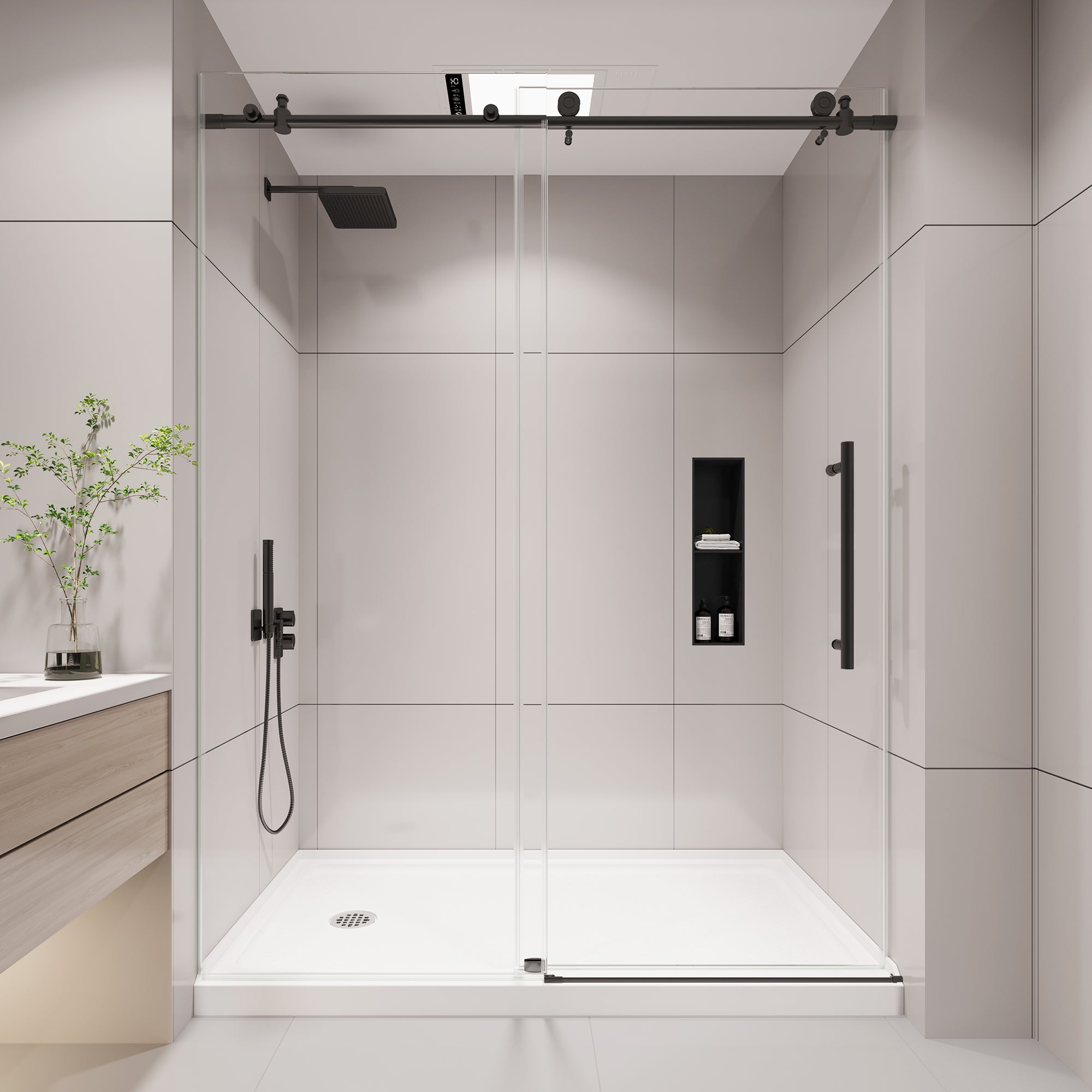
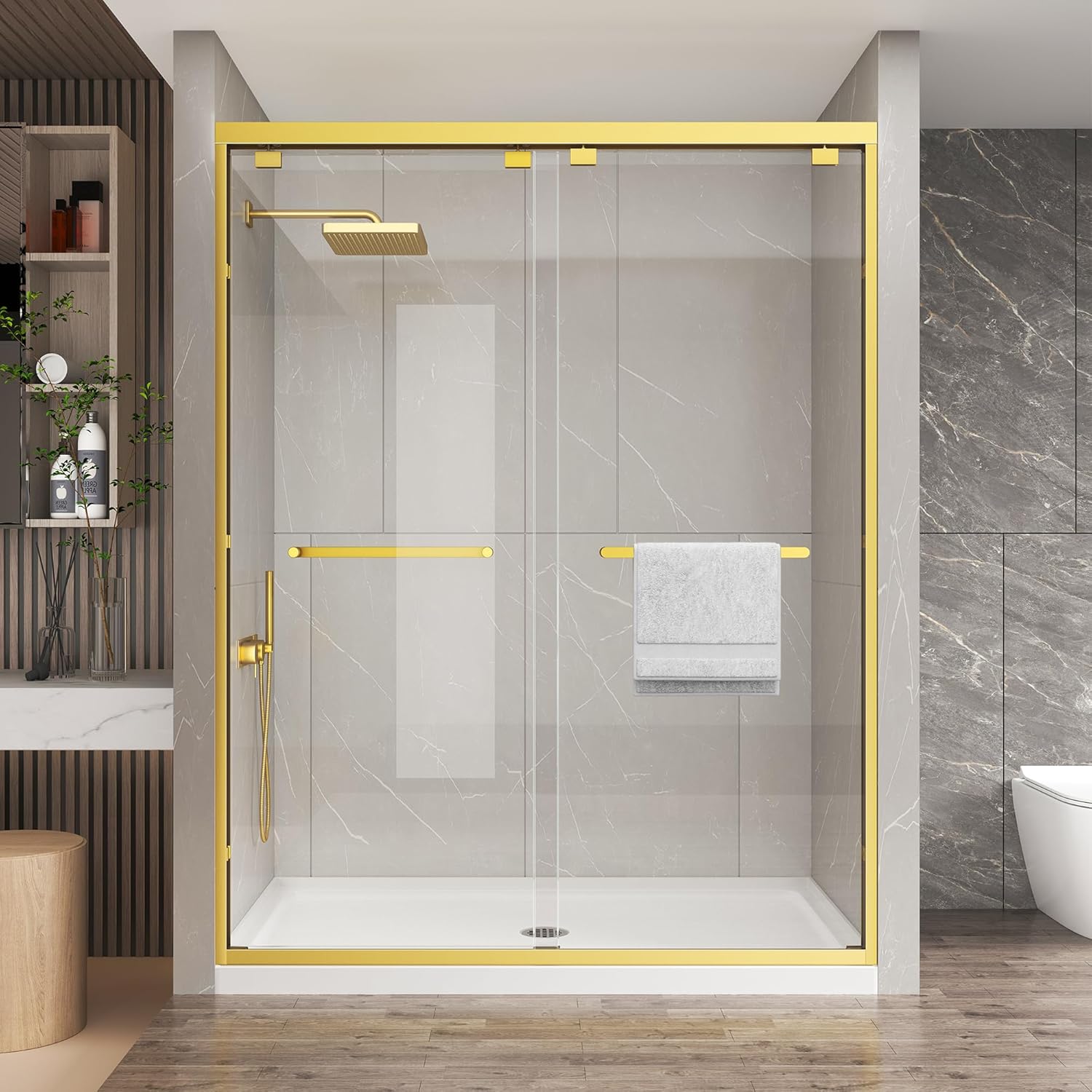
When homeowners ask me what makes a shower look brighter and more expensive without changing tile or lighting, I point to the glass. Low iron shower glass is the near-clear option pros are specifying in 2026 to get that pure, showroom look—minimal green edge color, truer whites from tile, and noticeably better light transmission. If you’re planning a frameless shower or a glass partition that reads like an upgrade instead of an afterthought, you should understand what low iron glass is, how it performs in the field, and what real-world installation issues to expect.
What is Low Iron Shower Glass?
Low iron glass is made from silica and other raw materials with significantly reduced iron content. The result is glass with much higher light transmission and almost no green tint along cut edges—market names you’ll see include Starphire and Optiwhite. For shower applications, low iron glass reads as exceptionally clear, which keeps tile and fixtures looking true to color and improves the perceived space and brightness.
Standard clear glass carries an iron-related green cast that becomes obvious on thicker panes and at the glass edges. In a 3/8" or 1/2" frameless shower, that subtle green can mute white subway tile and cool neutrals. Low iron removes that bias.

Why Choose Low Iron for Your Shower
- True color rendering: Tiles, stone, and fixtures show their real color.
- Brighter look: More light passes through the glass—useful in small bathrooms or baths with less natural light.
- High-end aesthetic: Gives a seamless, "no-glass" visual on frameless installations.
- Better resale perception: Buyers notice crisp glass and associate it with quality remodeling.
On the job I typically recommend low iron when homeowners have white or light tile, honed stone, or when minimal framing is part of the design. It’s also common in master baths where lighting design trends for 2026 favor brighter, cleaner palettes.
How It's Made & Typical Specifications
Low iron glass uses raw materials with less iron oxide. The manufacturing process yields glass with higher visible light transmittance (VLT) and lower color distortion. For showers, typical specs you’ll see:
| Glass Type | Common Thickness | Visible Light Transmittance (VLT) | Typical Use in Shower |
|---|---|---|---|
| Clear (standard) | 5/16" (8mm), 3/8" (10mm), 1/2" (12mm) | ~88-90% | Budget frameless or framed |
| Low Iron (Starphire/Optiwhite) | 3/8" (10mm), 1/2" (12mm) | ~91-93%+ | High-end frameless, heavy doors |
| Laminated Safety Glass | Varies with interlayer | Depends on laminate | Glass with privacy or sound control |
Note on thickness: Most frameless showers use 3/8" (10mm) or 1/2" (12mm) tempered glass. Thicker glass reduces flex and improves perceived quality, but also increases weight and hardware cost—so plan rough-in tolerances accordingly.
Safety Standards and Code Notes
Low iron glass used in showers must be tempered to meet safety codes. Tempered glass is required by many local jurisdictions for all shower doors and enclosures. The industry reference to glass safety is often ANSI Z97.1 and tempered standards; consult your local building department, but expect tempered glass as the default.
For more on safety standards and professional guidelines, refer to the National Kitchen & Bath Association guidelines and basic consumer safety resources:
- NKBA – design and product guidance for kitchens and baths.
- U.S. Consumer Product Safety Commission – consumer safety resources and recalls.
Tempering increases the glass’s strength and ensures it breaks into small, less dangerous pieces if it fails. Don’t accept annealed low iron glass in a shower—only tempered.
Installation Considerations & Jobsite Realities
From twenty-plus years of remodeling, I can tell you the product is only as good as the install. Low iron glass behaves the same as standard glass in installation, but the visual payoff demands tighter tolerances. Here are the real-world issues I see on site:
- Out-of-plumb walls: Older homes are rarely perfect. Expect 1/4" to 3/4" variance over 8 feet. Low iron shows lines and tile colors clearly, so you’ll need to plan shims, reveal trims, or channel rails to hide irregularities.
- Rough-in dimensions: Measure finished surfaces (tile or stone), not studs. Jeopardizing the glass dimensions by relying on rough framing causes re-cut or costly reorders.
- Curb slope and level: A sloped or out-of-level curb can create gaps at the bottom of a frameless door—allow a 1/8" to 3/16" clearance at the bottom for sweep and silicone, and confirm tile level before ordering glass.
- Tempered glass thickness & hardware: Hardware is rated for certain thicknesses. 1/2" glass needs heavy-duty hinges and clamps; 3/8" often uses lighter hinges. Verify hardware tolerances and hole drilling specs before sending glass to the fabricator.
- Edgework and polish: Polished edges and proper corner radiuses matter more visually with low iron—chipped or uneven edges are much more noticeable.
On a recent remodel of a 1920s bungalow I worked on, the out-of-plumb condition was nearly 5/8" over 7 feet. We ordered a custom glass panel with an extra 1/4" reveal allowance and used a bottom channel to hide the worst deviation. The homeowner wanted the low-iron look, and careful measuring plus an on-site mock-up saved a reorder.

Maintenance, Coatings, and Durability
Low iron glass is not maintenance-free. Because it’s clearer, water spots and soap scum can show more. Recommend these practical maintenance steps to homeowners:
- Install a hydrophobic coating or request factory-applied protective coatings when ordering—these make daily maintenance much easier.
- Use a daily squeegee; microfiber towels work best to avoid streaks.
- Avoid abrasive cleaners and pads; they damage coatings and polish.
Coatings: Factory-applied treatments reduce mineral adherence and extend the window between deep cleans. If your water is hard, a protective coating is money well spent.
Buying Tips, Costs, and Comparison
Low iron glass carries a premium over standard clear glass—expect to pay roughly 15–35% more depending on thickness, edgework, and any low-iron trade name. Pricing varies by region and fabricator lead times.
| Item | Typical Cost Range (US) | When to Choose |
|---|---|---|
| Standard tempered clear 3/8" | $250–$500 per panel | Budget frameless or framed doors |
| Low iron tempered 3/8" | $300–$650 per panel | High-visibility frameless enclosures, feature walls |
| Low iron tempered 1/2" | $450–$900 per panel | Heavy doors, pivot systems, oversized panels |
When buying, ask the fabricator these questions:
- Is the glass fully tempered and labeled per ANSI/ASTM?
- What is the VLT percentage or specific product name (e.g., Starphire)?
- What edge finish, and are holes drilled before tempering per hardware spec?
- Do you offer factory-applied hydrophobic coating?
Pro tip: Order hardware and glass together. That way the fabricator drills hinge holes in the correct locations before tempering. Field drilling of tempered glass is not an option.
Quick Answer (Featured Snippet)
Short answer: Low iron shower glass is a near-clear, low-iron-content tempered glass with higher light transmission and minimal green tint, commonly used in frameless showers to improve color fidelity and create a brighter, cleaner look. It must be tempered for safety and sized to account for on-site tolerances.
FAQ
Is low iron glass stronger than regular tempered glass?
No. Strength is determined by tempering and thickness, not iron content. Low iron glass is typically tempered to the same standards as clear glass, so strength is comparable at the same thickness. Always check for the tempered safety label.
Will low iron glass show water spots more than regular glass?
Yes, because it’s clearer you may notice water spots and soap scum more readily. A hydrophobic factory coating and a daily squeegee reduce visible buildup significantly.
Can I retrofit low iron glass into an existing frame?
Often yes, but verify dimensions and hardware compatibility. Framed systems sometimes have different clearance and reveal requirements—measure the finished opening and confirm the frame accepts the glass thickness you choose.
Wrap-up & Where to Look Next
Low iron shower glass is an aesthetic upgrade that pays off visually—truer tile color, brighter enclosures, and a high-end appearance. From a contractor’s perspective, the product is straightforward but demands precise measuring, the right hardware, and tempered safety compliance. If you’re designing a frameless shower for a master bath or a small powder room that needs light, it’s one of the clearest ways to elevate the result.
For product options and hardware-matched systems, check out KPUY Shower Doors for a range of configurations suitable for low-iron glass enclosures.
If you’re planning a remodel, take final measurements after tile is set, verify wall plumb, confirm hinge and clamp tolerances, and insist on tempered, labeled low iron glass from your fabricator. That approach prevents reorder delays and delivers the crisp look homeowners want.

Dejar un comentario
Todos los comentarios se revisan antes de su publicación.
Este sitio está protegido por hCaptcha y se aplican la Política de privacidad de hCaptcha y los Términos del servicio.