
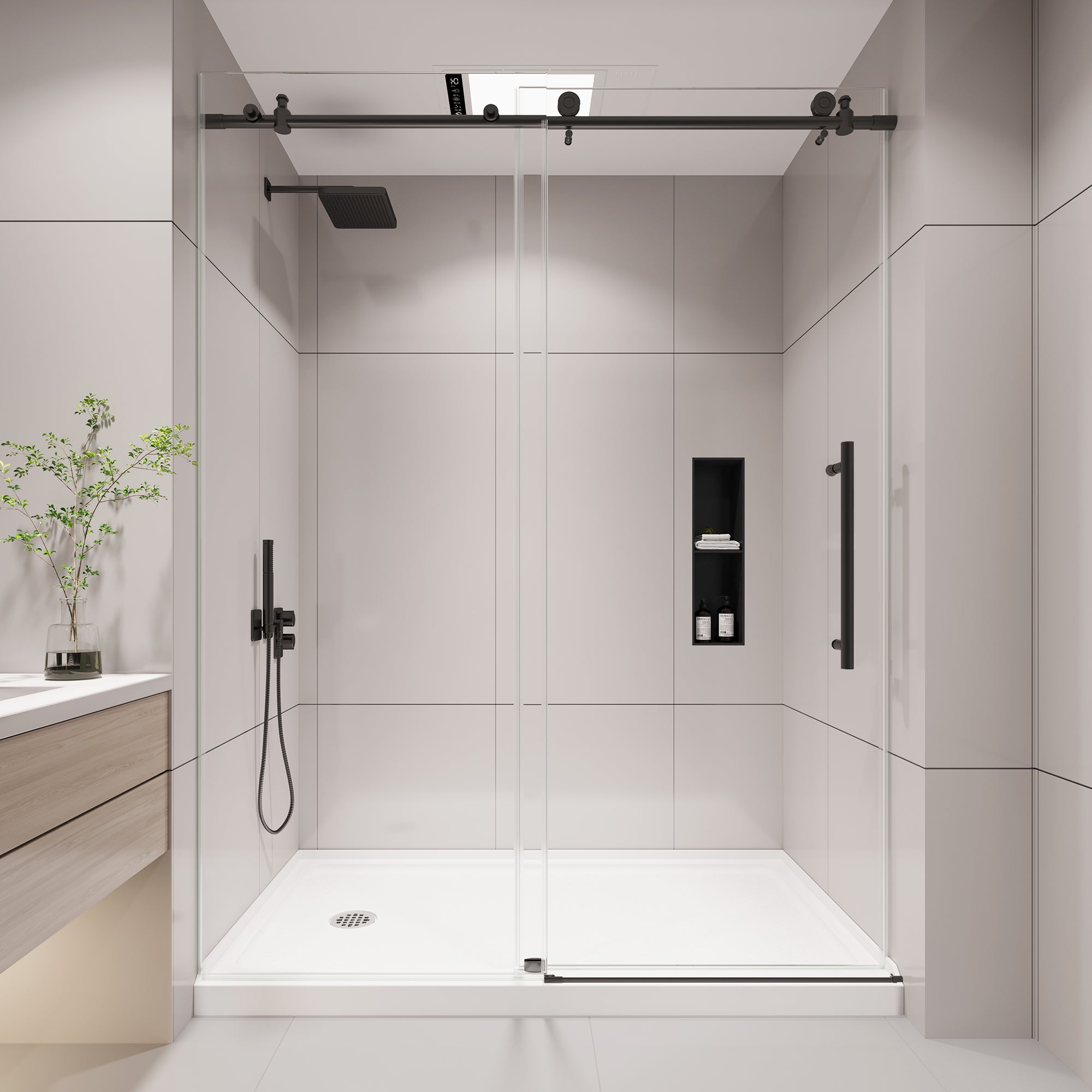
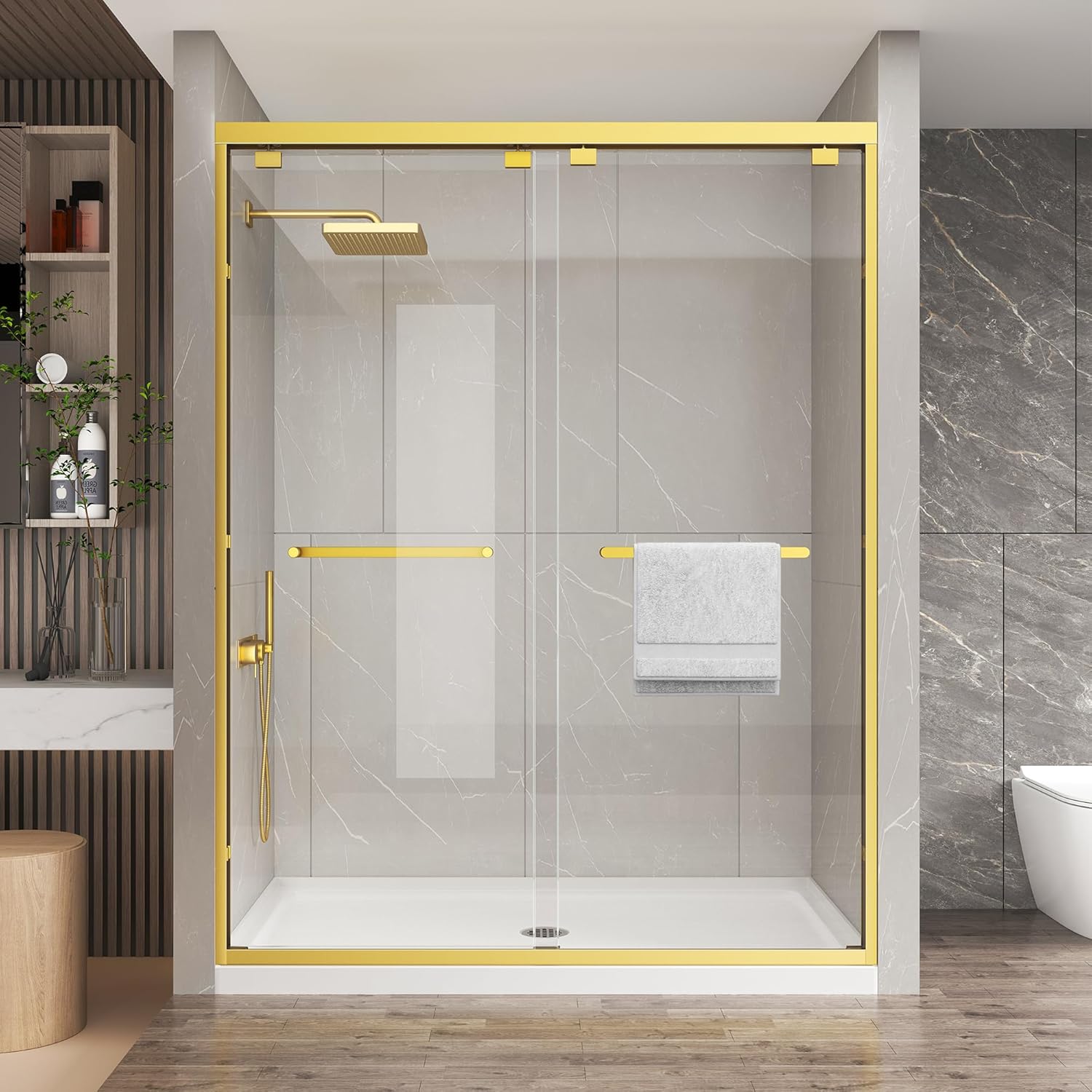
Choosing the right frameless shower door for a walk-in shower is less about looks and more about controlling water, working with built conditions, and meeting code and safety standards. As a contractor with 20+ years remodeling walk-in showers across the U.S., I focus on how glass thickness, hinge type, curb slope, out-of-plumb walls, and drain location come together on installation day. The 2026 trends favor minimal hardware and larger single-pane glass, but the right choice always balances performance and real-world tolerances.
Quick Answer
Short, direct answer: For most walk-in showers the best frameless solution is a fixed tempered glass panel (a "water stop" or return panel) combined with either a short swinging pivot door or no door at all—using a well-sized fixed panel, a curb with correct slope, and a glass thickness of 3/8" or 1/2" tempered glass to control splash while keeping the look clean.
Frameless Options for Walk-In Showers
There are four practical frameless strategies contractors use for walk-in showers. I list them by how often I recommend them on real houses and why:
- Fixed single-panel with return (inline) — Best when you want an open feel but need splash control.
- Pivot (hinge) door with fixed sidelight — Good when you need a swing for privacy and better water containment.
- Open walk-in (no glass door) — Works in larger wet rooms with proper slope, longer curb, and drainage planning.
- Sliding (frameless trackless) panels — Less common for true walk-ins; useful when swing clearance is limited.
Why these work
- Fixed panels are stable, have fewer moving parts, and reduce leak points.
- Pivot doors allow a tighter seal with sweeps and are tolerant of slight out-of-plumb walls when using adjustable hinges.
- Open walk-ins require the best execution of curb slope and drain capacity—no glass will stop water if the floor and slope aren't right.
- Sliding options add hardware but may require top support and thicker glass to avoid flex.
Glass thickness: I typically specify 3/8" tempered glass for a standard fixed panel; move to 1/2" for large spans (over 48") or for hardwareless, oversized panels where deflection becomes visible. All glass must meet ANSI Z97.1 safety glazing standards.
For a direct comparison: see the table below.
Quick Comparison Table
| Configuration | Typical Glass Thickness | Best For | Common Field Issues |
|---|---|---|---|
| Fixed Panel + Return | 3/8" - 1/2" | Open look, splash control | Out-of-plumb walls, need for glass clip/shim |
| Pivot Door + Sidelight | 3/8" - 1/2" | Privacy, full containment | Clearance for swing, hinge adjustment |
| Open Walk-In (No Door) | N/A | Wet-room aesthetic, easy access | Drain capacity, curb slope, splash across floor |
| Sliding/Bypass Panels | 3/8" - 1/2" | Tight swing clearance | Track maintenance, water getting under track |
Note: This table is a field-tested guide. On every job I check the drain rate (gph), curb rise, and tile grout joint heights before committing to a glass strategy.

Measuring, Rough-In, and Glass Sizing
Accurate measurements save time and money. On-site I measure three heights (left, center, right) and two widths (top and bottom) and report the smallest dimensions to the glass shop. Why? Walls are rarely plumb; you need to account for that.
Typical tolerances I build in:
- Allow 1/8" to 3/8" reveal for shim space at each vertical edge.
- Order glass with 1/4" undercut under the threshold if using a bottom sweep.
- Specify 3/8" or 1/2" tempered glass per span—call out maximum unsupported span so the fabricator can add stabilizers.
Rough-in dimensions tie to the shower base and drain location. If the drain is off-center, you may need a wider fixed panel or a different door swing. The International Plumbing Code (IPC) and Uniform Plumbing Code (UPC) set drain requirements that affect how much water the floor needs to carry away; talk to your plumber early.
Pro tip: When ordering glass, include “cut tolerance” and ensure the fabricator knows if you have tile returns or a glass-clamp-on tile. Glass shops expect to trim a bit on site, but large adjustments are expensive.

Installation Realities: Tolerances & Codes
Onsite realities determine final performance. Here are the practical items to watch:
- Out-of-plumb walls: I routinely see 3/8" to 1/2" out-of-plumb on older homes. Use adjustable hinges and shim plates. If walls are more than 1/2" off, consider a return panel or stop-gap framing.
- Curb slope: The curb must slope toward the shower at a minimum of 1/8" per inch to prevent water pooling. Tight tolerances here are non-negotiable.
- Door sweep and thresholds: Add a bottom sweep or water deflector on pivot doors. For fixed panels, use a glass-to-floor seal or tile trim to block splash.
- Tempered glass standards: All shower glass must be tempered and comply with ANSI safety standards (Z97.1). Markings should be visible at the factory edge.
- Drain capacity: Verify drain gph. Open walk-ins demand higher flow rates and may require a linear drain and slightly higher curb.
Hinge selection: Choose heavy-duty stainless or solid brass hinges with adjustable pivot points. Top supports, glass clamps, or a header bar can reduce racking in tall panels.
Real Jobsite Notes (Field Experience)
From decades on the floor here's the no-fluff experience you won't get from a catalog:
- On an 80-year-old bungalow I once had to correct a 5/8" out-of-plumb condition. We shimmed the sidelight, used a slightly wider fixed panel, and installed an adjustable pivot hinge. The owner loved the final look, but that adjustment cost an extra half day and custom glass edging.
- Glass expansion in high-humidity baths matters. Leave 1/8" to 3/16" around clips and hardware for expansion so the glass doesn't bind or crack in summer.
- Tile returns: if your glass butts up to tile, make sure the tile is finished and sealed before glass installation. I once had to remove and reset tile because the glass installer found uneven tile edges that could puncture the rubber gaskets.
Order timing: Expect 2–4 weeks for fabrication after final measure on standard tempered glass; specialty finishes, edgework, or oversized panels can push that to 6–8 weeks. Plan that into your remodel schedule.
Frequently Asked Questions
What is the best glass thickness for a frameless walk-in shower?
For most walk-in applications use 3/8" tempered glass. If the panel span exceeds about 48 inches or the panel is very tall (over 80"), upgrade to 1/2" tempered glass to reduce flex and vibration. Your fabricator will confirm based on span and hardware.
Can I have a frameless walk-in with no door and still avoid water on the bathroom floor?
Yes, but only if you get the floor and drain right. That means a properly sloped curb, sometimes a slightly higher or longer curb, a linear drain with adequate capacity, and strategically placed fixed panel(s) to break splash. Many homeowners who want the open look end up with a partial fixed panel to minimize splash.
Do frameless shower doors meet safety codes?
Yes. All shower glass must be tempered and marked per ANSI standards. For design guidance and industry best practices, consult the National Kitchen & Bath Association (NKBA) for layout and safety recommendations.
Next Steps
If you're planning a walk-in shower, start with a site visit and a clear measurement plan. Bring the contractor or glass supplier into the discussion early so you can align drain location, curb details, and glass strategy. If you want a frameless look with reliable performance, a fixed tempered panel with a return and a short pivot door is the most predictable choice in typical U.S. homes.
Interested in glass options? Check available models and hardware choices at KPUY Shower Doors for product ideas and specs that match field-tested configurations.

Dejar un comentario
Todos los comentarios se revisan antes de su publicación.
Este sitio está protegido por hCaptcha y se aplican la Política de privacidad de hCaptcha y los Términos del servicio.