
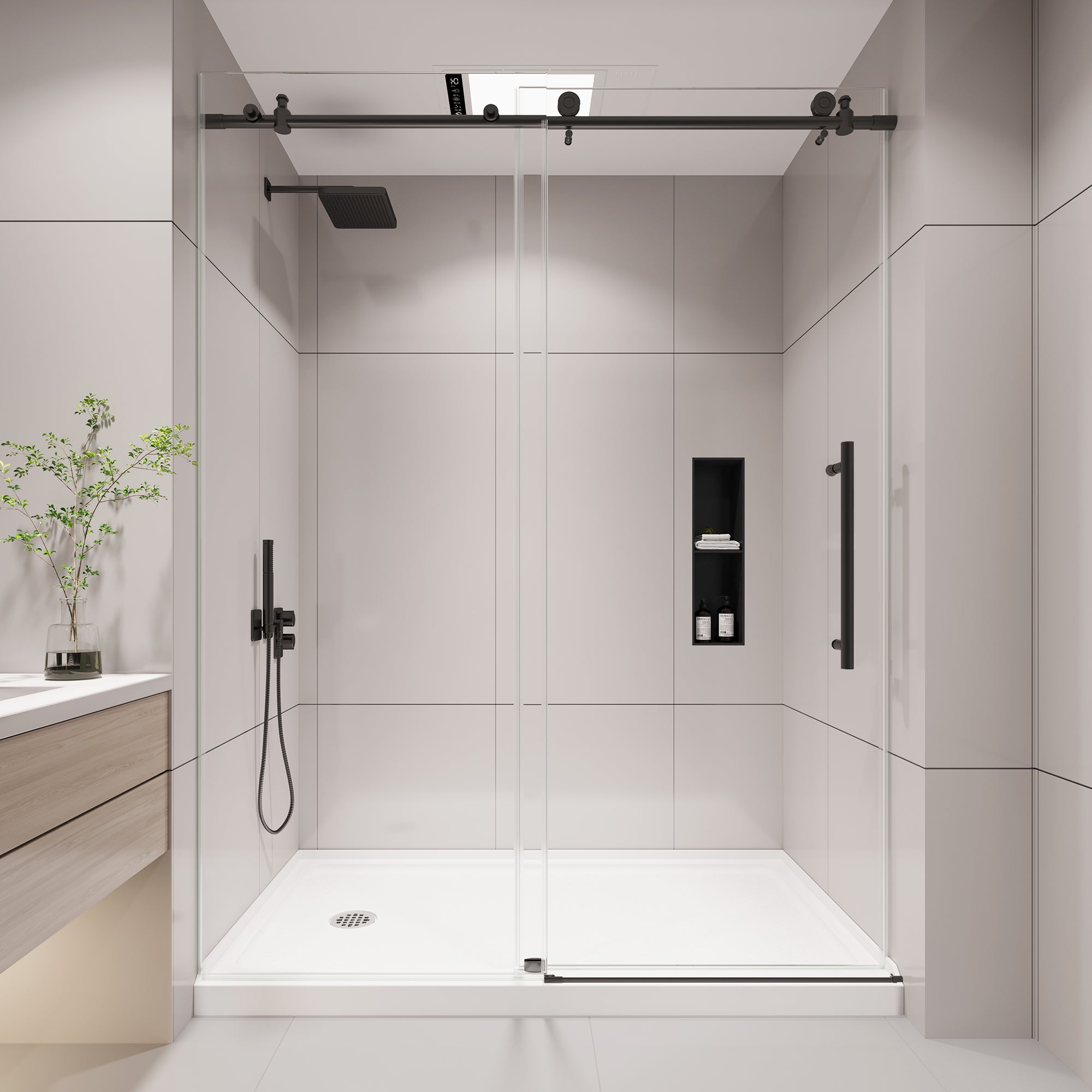
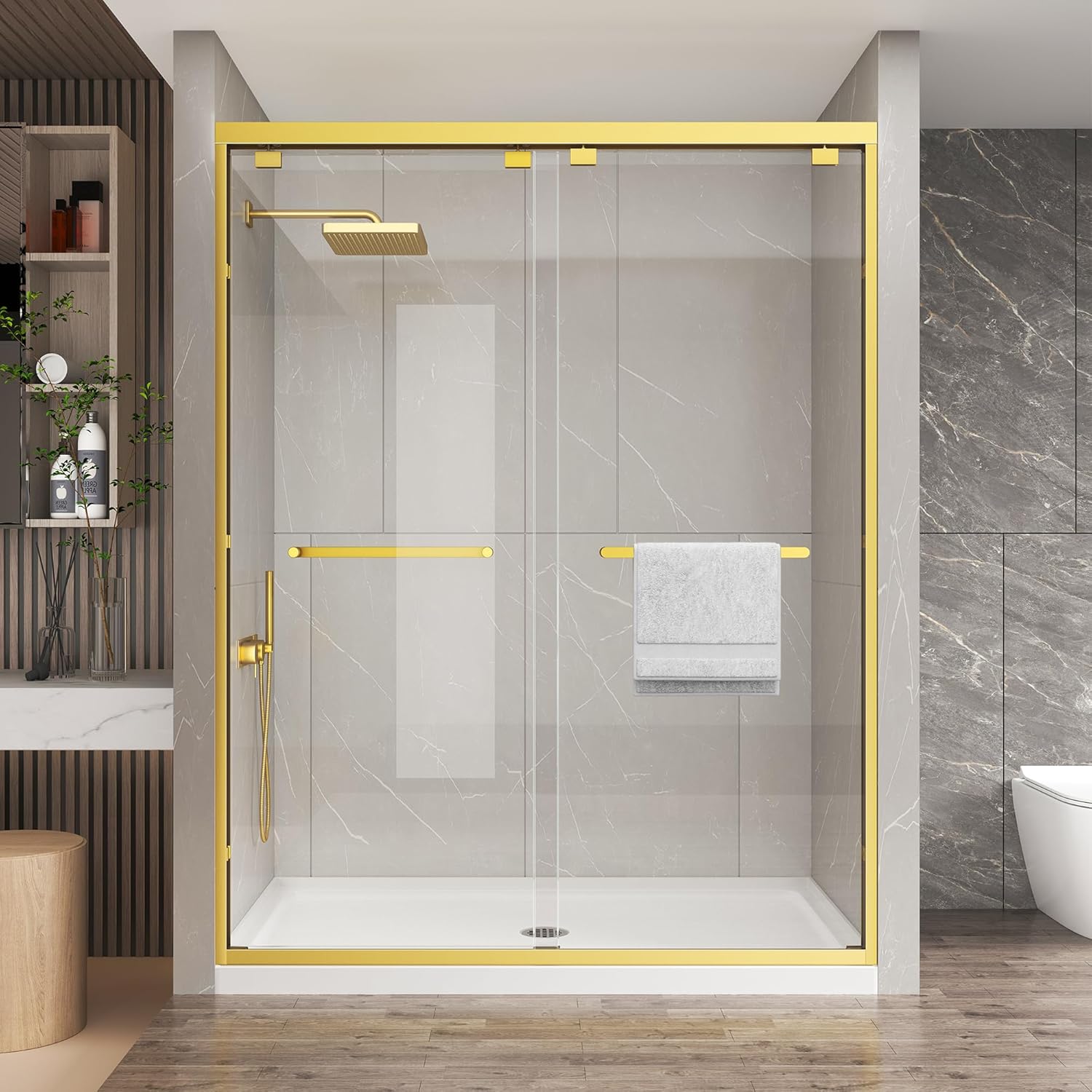
Most homeowners start a bathroom remodel picturing a magazine shot: big tile, glass shower, floating vanity, and natural light. After the dust settles the reality can be different — leaks, cramped storage, doors that don’t close, or a shower that’s cold and drafts. With 20+ years on job sites I’ve seen the same regrets over and over: choices that look great in a showroom but fail in a real house because of poor rough-ins, out-of-plumb walls, or unrealistic budgets. The 2026 trend toward larger walk-in showers, integrated lighting, and smart fixtures makes planning even more important.
Top bathroom choices homeowners regret
- Skipping proper ventilation — Small fan savings turn into mold and paint failure within a year.
- Choosing the wrong shower glass — Too-thin or frameless glass with no threshold sweep leads to leaks and euro-style glass that’s noisy and drafts cold air.
- Poor layout choices — Narrow door swings, doors that hit vanities, and toilet rough-ins moved without consulting plumbing codes.
- Inadequate storage — A pretty floating vanity with no drawers becomes frustrating on day one.
- Tile and grout shortcuts — Improper substrate, no waterproofing, wrong thin-set or grout choice leads to tiles popping or staining.
- Wrong bathtub vs. shower decision — Keeping a tub you never use for resale or choosing a heavy freestanding tub without checking floor load capacity.
- Underpowered lighting — Trendy dim fixtures that don’t provide task lighting at the mirror.
Short answer: what homeowners regret most (featured snippet-style)
The top regrets are: 1) poor ventilation that causes moisture damage, 2) wrong shower glass or thresholds that leak, 3) sacrificing storage for looks, and 4) bad layout/rough-in decisions that are costly to reverse. These four choices account for the majority of post-renovation calls I get.
Why these decisions go wrong
Here are the practical reasons I see on the daily:
- Budget pressure — Owners cut corners on waterproofing, ventilation, or the substrate beneath tile.
- Showroom vs. jobsite reality — A frameless glass panel fits perfectly on a display wall that’s plumb. On a real house with out-of-plumb walls you need site tolerances or you’ll end up with gaps and glass that can’t align.
- Incorrect rough-in dimensions — Toilet and drain locations moved without checking IPC/UPC clearances cause functional problems later.
- Installer shortcuts — Ignoring curb slope, not using the right mortar bed, or skimping on fasteners leads to failure.
Those things add up. A riser tiled shower pan with the wrong curb slope will pond water. A frameless shower door specified at 3/8" tempered glass might be too flexible for a wide panel — I often recommend 1/2" for panels over 36" wide. Standards like ANSI Z97.1 define safety glass requirements, but you still need a competent installer who understands clamping tolerances and door hardware offsets.

Real jobsite experience: installation tolerances I watch daily
Working on older homes teaches you humility. I’ve chopped into dozens of walls and found framing that’s 3/4" out of plumb over a 7' height. That discrepancy matters when you order frameless glass or a stock vanity.
Here are specific, repeatable items to check and call out in your contract:
- Rough-in dimensions: Toilet 12" or 14" to wall must be confirmed; shower drains centered within the pan tolerance.
- Glass thickness and hardware: For 48" tall or wider panels recommend 1/2" tempered glass; pivot hardware needs minimum 1/8" clearance under the glass for sweeps.
- Substrate and slope: Shower pan mortar must maintain a 1/4" per foot slope to the drain and a continuous waterproof membrane up at least 72" in a tubless shower.
- Door clearances: Allow for 1.5" to 2" swing clearance at doors and vanities — I actually mock that with cardboard on-site.
| Choice | Common regret | Fixability | Typical cost to fix* |
|---|---|---|---|
| Frameless shower glass | Leaks, chattering, need for thicker glass | Moderate — may need replacement or added seals | $800–$2,500 |
| Floating vanity with zero drawers | Insufficient storage | Easy — add wall cabinets or change vanity | $300–$1,200 |
| No ventilation upgrade | Mold, paint failure, smell | Difficult — may require ceiling access | $400–$2,000 |
| Tile without waterproofing | Tile failure, leaks into framing | Major — demo and rebuild | $2,500–$8,000+ |
*Costs are ballpark U.S. ranges and assume typical suburban single-family homes.
How to avoid regret — a contractor-proof checklist
Before signing a contract, confirm these items in writing. Making them simple line items saves headaches.
- Confirm rough-ins and clearances: Have the plumber snap measurements and note toilet rough-in, shower drain location, and water supply centers.
- Require waterproofing specification: Name the membrane brand or method (cement board + liquid membrane or full pan liner) and warranty.
- Specify glass and hardware: For any custom glass order list thickness, hinge type, and allowable out-of-plumb tolerance. If you want a frameless look, get a mockup or full-size template.
- Plan storage over aesthetics: Include minimum drawer counts or cabinet cubic feet in the scope.
- Set ventilation targets: Specify a fan with CFM matched to room volume and consider a humidity-sensing control.
- Get NKBA-style planning guidance: Use recommended clearances for walkways and vanities — reference plans in writing.
For shower glass options and hardware, I often point clients to products I trust because proper hardware reduces callbacks. If you’re shopping shower doors, consider the framing, sweep design, and tempered glass thickness — and measure on-site before the order goes final. See KPUY Shower Doors for examples of well-specified options that match real jobsite needs.

Fixes homeowners can expect and timelines
Here are practical fixes for common regrets and how long they take on a typical remodel.
- Replace shower seals or glass panels — Time: 1–3 days. Cost: $300–$2,500 depending on glass size and hardware.
- Add ventilation ducting and a new fan — Time: 1–3 days. Cost: $400–$1,200 (attic access and duct run increase cost).
- Install additional storage — Time: 1–5 days. Cost: $300–$2,000 depending on custom cabinetry.
- Correct tile/pan waterproofing failures — Time: 3–14 days. Cost: $2,500–$8,000+. These are often the most expensive fixes because they involve demo to the substrate.
When budgeting, always include a 10–20% contingency for unforeseen site conditions. In older homes that’s not optional — I once opened a shower wall and found 2x4 framing set back 1" from the tile plane because a previous remodel was done without a shim, requiring a full re-frame at the bottom of the wall.
Frequently asked questions
What choice leads to the most expensive regret?
Skipping proper waterproofing or changing drain/rough-in locations without accounting for slope and framing usually leads to the highest repair costs. Water damage can require demo to studs and mold mitigation.
Is frameless glass always a bad idea?
No. Frameless glass looks modern and can work well when planned. The key is specifying the correct tempered glass thickness and allowing installation tolerances for out-of-plumb walls. For wide panels and heavy-duty pivot hardware I recommend 1/2" glass and pre-install templates to avoid reorders.
How can I make sure my new shower doesn’t leak?
Require a written waterproofing method in your contract, insist on a pre-pour drain test or water test after the pan is built, and verify that the installer maintains a consistent curb slope and uses appropriate membrane up to the required height. Also demand that glass and sweep details are included so water deflects back into the pan.
Final note and next steps
Remodels that look effortless on Pinterest require three things to stay that way in real life: accurate site measurements, realistic product specifications, and a contractor who documents tolerances and details. If you’re planning a bathroom this year, insist on site templates for millwork and glass, specify waterproofing in the contract, and build storage into the plan. For reliable shower door options that match jobsite realities, review product specs and glass thickness before ordering — see KPUY Shower Doors.
For planning reference and code guidance consult the National Kitchen & Bath Association (NKBA) for layout standards and IAPMO for plumbing code guidance on rough-in and drain requirements.

Dejar un comentario
Todos los comentarios se revisan antes de su publicación.
Este sitio está protegido por hCaptcha y se aplican la Política de privacidad de hCaptcha y los Términos del servicio.