
Deciding how wide a shower door opening should be is one of the most practical decisions you'll make during a bathroom remodel. Homeowners ask me for exact numbers all the time — they want comfort, code compliance, and a clean-looking installation that won't need rework. Between out-of-plumb walls, curb slopes, and tempered glass sizing rules, the right opening width comes down to the door type, intended use, and real-world installation tolerances.
Quick Answer (Featured Snippet)
Short, practical answer: For general use, aim for a clear opening of 26–32 inches for swing or frameless doors and a minimum clear opening of 32 inches when accessibility is required. Sliding doors and bypass systems need a larger overall opening (usually 48 inches or more) because panels overlap. If you need a rule of thumb for comfortable access in most homes: 28–30 inches is a safe target for new installations.
Recommended Widths by Door Type
Different door systems behave differently. Below are the practical widths I use on nearly every project.
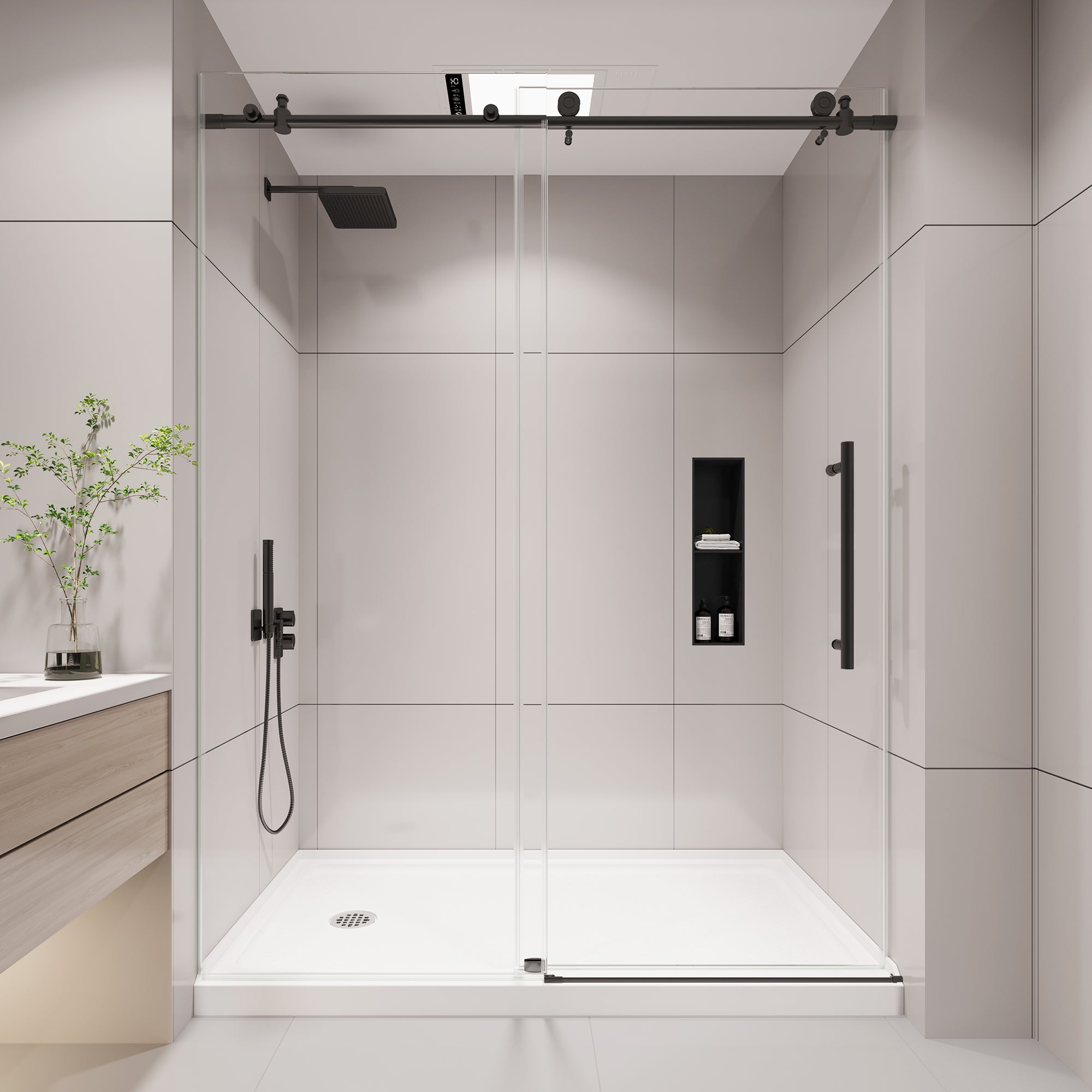
- Frameless swing / pivot doors: Target 26–32" clear opening. For a comfortable entry and less splashing, 28–30" is ideal. Use thicker tempered glass (typically 3/8" or 1/2") for taller or wider panels.
- Framed / semi-frameless swing doors: 24–30" clear opening can work because frames add rigidity. Account for frame jambs when measuring.
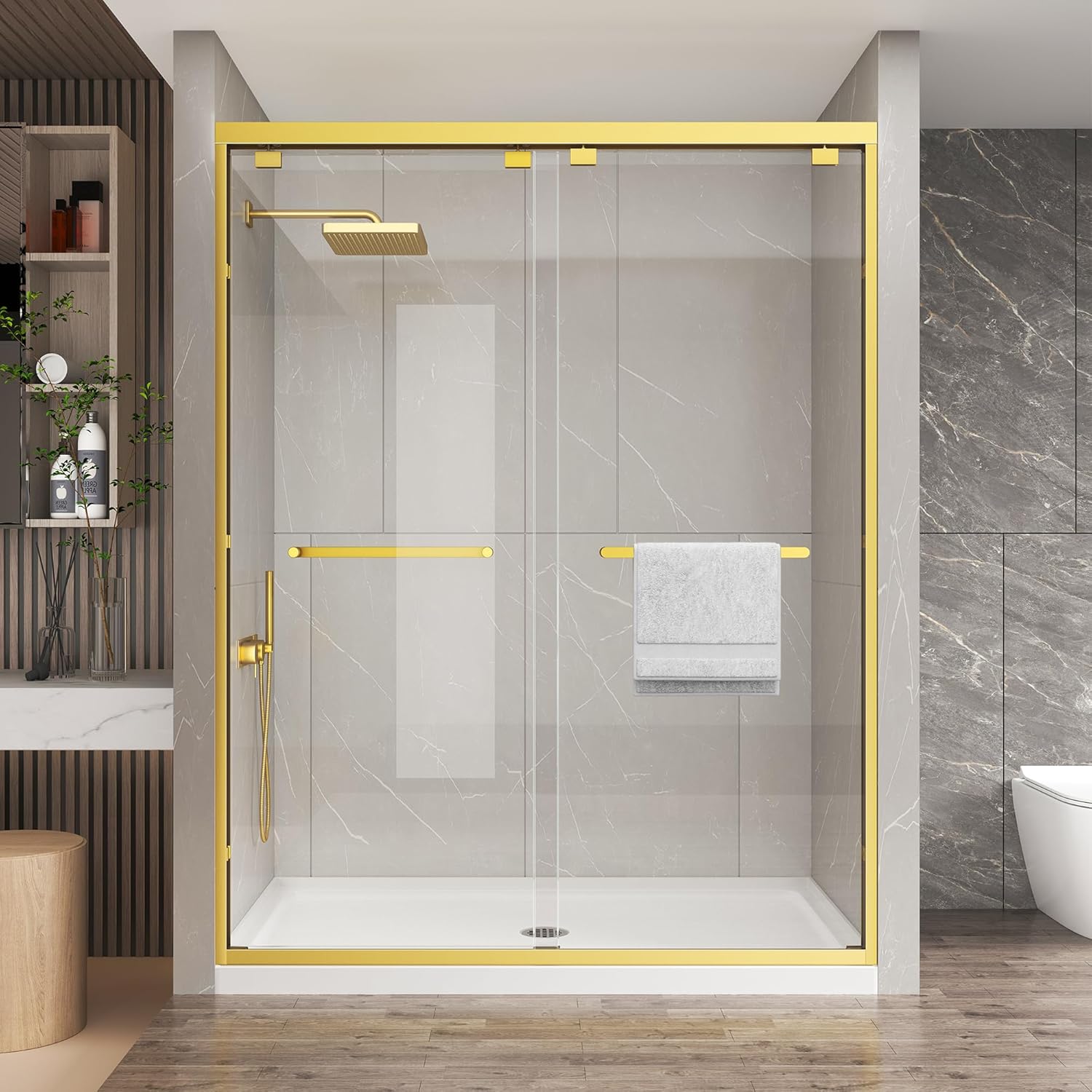
- Sliding (bypass) doors: Overall curb or length recommended 48–60" depending on shower width; clear single-panel opening is often 22–28" because panels overlap.
- Bi-fold doors: Good for tight bathrooms where swing clearance is limited; target 24–30" clear opening but check hinge pocketing.
- Curbless / roll-in showers: For ADA or mobility needs, provide a minimum 32" clear opening and 36" is better for wheelchair turn-in/clearance. Coordinate with floor slope and drain location.
Sliding doors and multi-panel systems reduce the actual clear opening. If your renovation needs people with mobility devices, meet the ADA minimum clear opening standards (32" clear) and plan for a wider entry when possible.

Measuring & Installation Tolerances
Measurements on paper rarely match what you get on-site. Here are the measurement steps I follow on every remodel, and the tolerances I plan into the design.
- Measure rough opening width at three heights (top, middle, bottom). Walls are often out-of-plumb by 1/4" or more — plan for it.
- Measure finished wall surfaces (tile, backerboard thickness, grout joints) — these change the finished opening.
- Check curb width and slope. Curbs should slope toward the shower 1/8"–1/4" over the depth to keep water moving; this can affect low-edge clearances.
- Field-template for frameless doors. I always templated the final glass because builders rarely hit exact dimensions. Templating accounts for out-of-plumb and tile profiles.
- Allow installation tolerance of at least 1/8"–1/4" per side for shim and sealant. For glass, manufacturers often require a gap for seal strips: typically 1/8"–3/16".
| Door Type | Recommended Clear Opening | Typical Glass Thickness | Practical Installation Tolerance |
|---|---|---|---|
| Frameless Swing / Pivot | 26–32" | 3/8" (10mm) or 1/2" (12mm) | ±1/8"–1/4" |
| Framed Swing | 24–30" | 1/4"–3/8" | ±1/8" |
| Sliding / Bypass | Overall 48–60" (panel opening 22–28") | 3/16"–1/4" | Panel overlap 1–2" |
| Curbless / Accessible | 32" minimum clear (36" recommended) | n/a (shower screen or panel) | Be mindful of floor slope & threshold |
Standards and codes: tempered safety glass must meet ANSI Z97.1 (safety glazing) and local codes; plumbing rough-in and drain slope should conform to IPC/UPC requirements. When in doubt, check local AHJ and the NKBA guidance on clearances and ergonomics: NKBA.
Real Jobsite Observations
After 20+ years on real installs, I can tell you the drawings lie. Here are common surprises and how I handle them:
- Out-of-plumb walls: It's normal to see 1/4"–1/2" variance over 6 feet. I always measure at multiple points and decide whether to shim the jamb or trim the glass edge — never force glass to an out-of-plumb surface.
- Tile edge variations: Bullnoses, mosaics, and thicker tile can eat into your opening. Plan the finished tile thickness into the opening dimension so doors don't bind.
- Curb slope and height: A high curb can reduce perceived opening and create a trip hazard. For curbless showers, slope and drain placement are critical and change how you frame the opening.
- Glass sizing and field cuts: Most frameless glass is field-templated and factory-cut to allow for final hardware and out-of-plumb adjustments. Allow 1/8" per side for sealant and compression gaskets.
A real example: I remodeled a 1950s bathroom where the shower walls were 3/8" out of plumb left-to-right. The owner wanted a frameless door. We templated the glass and set the hinge jamb plumb with shims and extended silicone bead. If I had ordered standard size glass from the plan, it would have required rework and a new panel.

Installation Best Practices & Checklist
Here’s a practical checklist I give every homeowner before ordering glass or a pre-hung door.
- Confirm finished wall-to-wall opening after tile/grout — do not order to rough framing dimensions.
- Determine door type early (framed, frameless, sliding, bi-fold) and select glass thickness and hardware rated for the door span.
- Allow for manufacturer-recommended clearances and gasket widths; add 1/8"–3/16" per side for frameless systems.
- Field-template for large or non-plumb openings. Templating avoids costly re-cuts.
- Coordinate the curb slope and drain location before final glazing. For curbless showers, verify the floor slope and waterproofing approach.
- Use a reputable glass supplier and check that glass complies with ANSI Z97.1 and is stamped for tempered safety glazing.
When selecting hardware and glass, I recommend reviewing product pages and specs in advance. For homeowners shopping, the KPUY Shower Doors collection is a practical place to compare frameless and framed options and see the typical hardware and glass thicknesses offered.
Frequently Asked Questions
How wide does a shower door opening need to be for wheelchair access?
To meet accessibility requirements, provide a minimum clear opening of 32 inches. For comfortable access and easier maneuvering, plan for 36 inches when possible. Also verify turning clearances in the rest of the bathroom.
What if my finished opening is smaller than planned?
Options include switching to a different door type (bi-fold or sliding), trimming the curb, or reframing the opening. For frameless glass, you can often order a custom panel based on field templates, but expect a lead time and added cost.
Does glass thickness affect the minimum opening size?
Indirectly. Thicker glass (1/2") is stiffer and allows longer spans without support, meaning you can have wider single panels. But thicker glass also increases edge clearances and hardware sizes. For most residential showers, 3/8" or 1/2" tempered glass is standard.
Final Notes & Where to Find Doors
Choose the opening width based on how the shower will be used: daily comfort, accessibility needs, and the realities of the jobsite. My practical rule is to design for a comfortable clear opening of 28–30" for standard use, and 32–36" for accessible use. Always measure finished surfaces, account for out-of-plumb walls, and field-template when installing frameless glass. For product selection, compare hardware and glass thicknesses before ordering — and review installation instructions for required clearances.
If you want to see typical door styles and specifications that match the widths and thicknesses discussed here, check KPUY Shower Doors to compare options and hardware details.
Final tip: plan for a small margin on either side for shims and sealant — a 1/8"–1/4" gap per side saves countless callbacks.

Dejar un comentario
Todos los comentarios se revisan antes de su publicación.
Este sitio está protegido por hCaptcha y se aplican la Política de privacidad de hCaptcha y los Términos del servicio.