
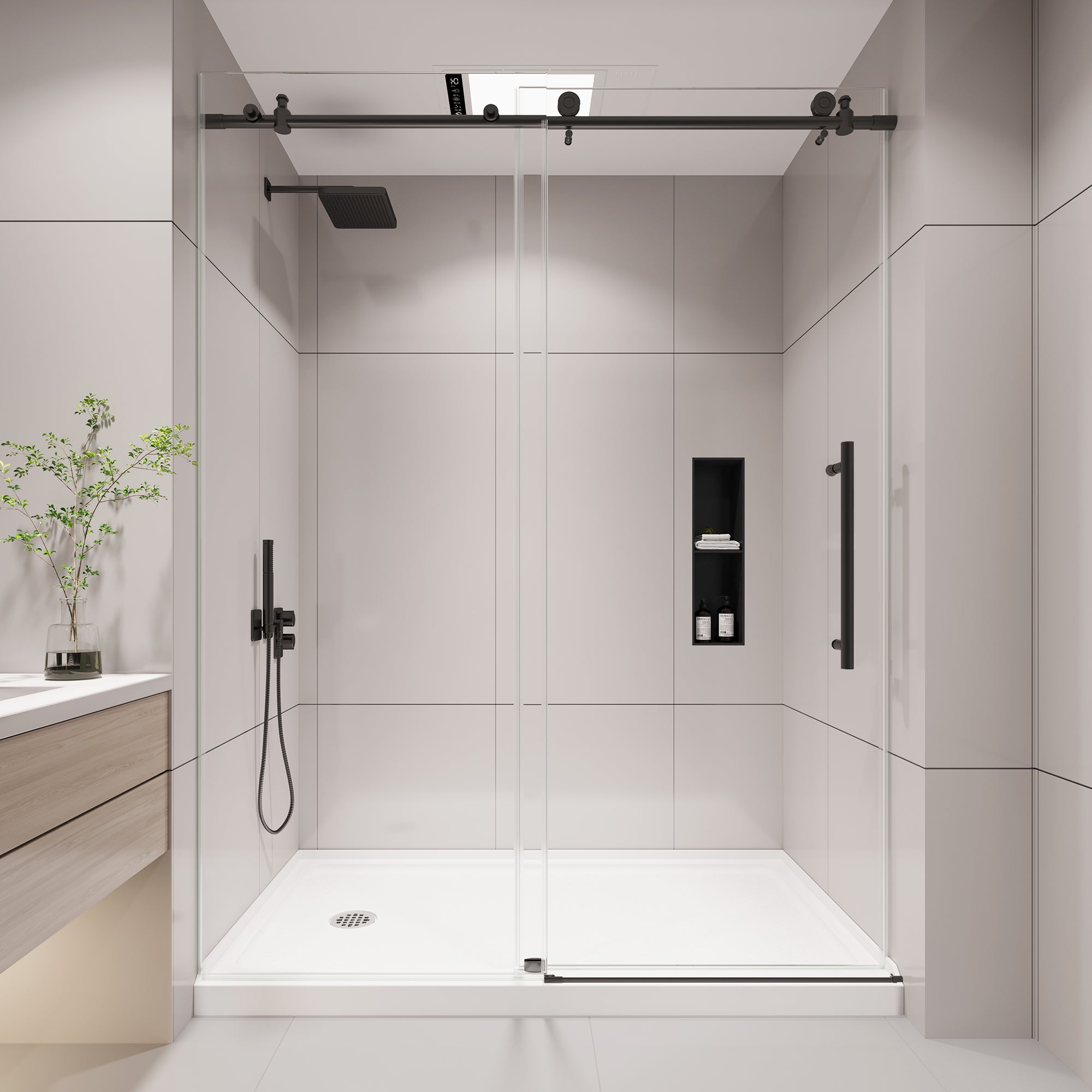
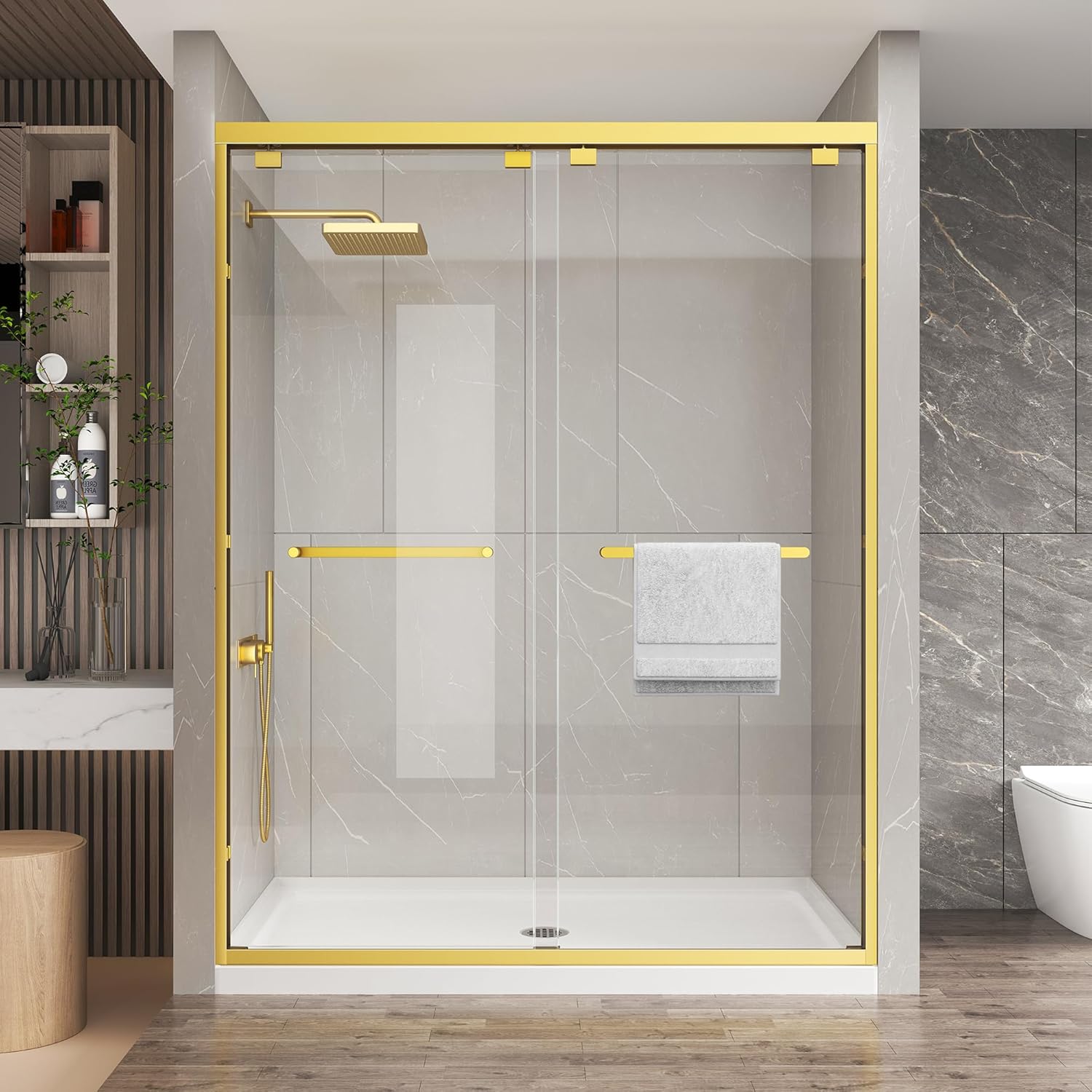
When a shower door feels tight every day, it’s not just annoying — it’s a sign the opening, hardware or installation tolerances are wrong for regular use. I’ve spent over 20 years on remodel sites in the U.S., pulling panels, re-measuring rough-in dimensions and dealing with out-of-plumb walls. In 2026 what homeowners want is simple: comfortable access, reliable hardware, and glass that meets safety standards. This article tells you how to tell when a shower door opening is too tight, how to measure it quickly, and practical fixes that a contractor will actually use on a real job.
Quick answer (featured snippet)
Short answer: If you can’t get at least 22–24 inches of clear opening for a swinging or bypass door, or if sliding doors require frequent shoulder-sized adjustments, the opening is too tight for comfortable daily use. Also watch for doors that scrape tile, bind at the hinges, or require body repositioning to enter — those are practical signs it’s too tight.
Signs your shower door opening is too tight
- Awkward entry: Users must twist shoulders or step sideways to get inside.
- Hardware strain: Hinges bind, rollers jump tracks, or weatherstripping wears rapidly.
- Water leaks because the door can’t fully engage seals when opening/closing.
- Glass contact: Door glass rubbing against stationary panels or tiles — a red flag for misalignment.
- Repeated adjustments: Frequent tightening or readjustment of pivot screws or rollers.
How to measure the opening correctly
Measure three things: the clear width, the rough opening and the installed door sweep clearance. Use a level and tape measure. Don’t eyeball it.
- Clear width: Measure the unobstructed width from the finished tile/threshold to the edge of the opposing glass or jamb. Record at shoulder height and at foot level.
- Rough opening/finished gap: Remove the door (if possible) and measure the rough opening between studs or finished edges. Account for tile thickness and any trim.
- Plumb and level: Use a 4-ft level to check walls and curb for out-of-plumb conditions. Write down the offset (for example: 3/4" out of plumb toward the shower head).
Most installers allow installation tolerances of roughly 1/8"–1/4" per vertical run for frameless systems. If you exceed those, you’ll see binding and unwanted contact.

Door types and recommended clearances
Different door styles behave differently in tight spaces. The table below gives practical clearance recommendations you can use during planning or when measuring an existing installation.
| Door Type | Recommended Clear Opening | Typical Glass Thickness | Common Issues in Tight Spaces |
|---|---|---|---|
| Frameless Hinged Door | 24"–32" | 3/8" (10mm) or 1/2" (12mm) | Binding if walls are out-of-plumb; needs swing room |
| Semi-Frameless Sliding (Bypass) | 22"–30" | 3/8" (10mm) | Overlap reduces usable opening; rollers need clearance |
| Framed Pivot Door | 24"–34" | 1/4"–3/8" | Frame can hide small misalignments but reduces net width |
| Neo-angle Door | 22"–26" | 3/8" | Geometry can make openings feel smaller; tough on shower heads placement |
Note: For heavy or large glass panels choose thicker glass (1/2") and bigger clearances for comfortable hand clearance around hardware. If you’re shopping, look at KPUY Shower Doors for options sized and engineered for common remodel tolerances.
Real jobsite experience: what I actually see on remodels
On older homes, walls are rarely plumb. I’ve measured offsets of up to 1" across a shower opening on houses built in the 1970s. That out-of-plumb condition will force a contractor to either rout tile, shim the frame, or order a custom glass panel. When we renovated a 1920s bungalow last year, the wall leaned in 5/8" and the original threshold had a 3/8" crown. The homeowner wanted a frameless door. We had to:
- Shim the header and use an adjustable hinge with 1/4" lateral adjustment.
- Specify 3/8" tempered glass with a slight clip so the door cleared the stationary panel by 3/16".
- Modify the curb slope to maintain drainage after trimming tile back 5/8".
That job taught me to always measure finished surfaces, not plans. Expect installation tolerances to be eaten up quickly on older builds; don’t bank on “standard sizes” until the substrate is verified.

Practical fixes and when to call a pro
If your measurements confirm a tight opening, here are practical remedies ranked from least to most invasive:
- Adjust hardware: Replace rollers or hinges with models that offer lateral or vertical adjustment. Often solves 60% of binding complaints.
- Trim seals and sweeps: Replace thick sweeps or seals with low-profile versions to gain small clearances without changing glass.
- Reframe or shim: Reposition the return jamb or shim one side to move the stationary panel. Requires tile or backer access.
- Custom glass cut: Order a panel with a clipped corner or reduced width. Precision glass shops can cut to 1/16" tolerances.
- Rebuild curb: If the curb slope or height is wrong, rebuild. This is more work but fixes both water management and clearance.
When to call a pro: If the walls are more than 1/4" out of plumb over a 4-foot run, if the glass is contacting tile edges, or if the curb slope must be corrected. Those tasks involve chipping tile, re-screeding curb slope and re-ordering glass — not a DIY weekend job unless you have experience.
Materials, safety & standards
Use tempered safety glass that complies with industry standards. In the U.S., safety glazing for shower enclosures generally meets ANSI Z97.1 and federal safety guidance. Confirm the glass supplier’s certifications and ask for tempered glass thickness recommendations for the door span and hardware type. Thicker glass adds stiffness and reduces deflection, which matters when clearances are tight.
For additional professional design guidance check NKBA’s best practices on bathroom planning and clearances: NKBA. For consumer safety information about glass and glazing materials, see the Consumer Product Safety Commission: CPSC.
FAQ — People also ask
How wide should a shower door opening be for everyday comfort?
A practical residential target is 24 inches of clear opening for most people. Smaller bathrooms can get by with 22 inches, but expect daily use to feel constrained. If mobility needs are a concern, plan for 30–32 inches.
Can a door be adjusted if it scrapes the tile?
Often yes. Adjust hinge pivot points, replace thick sweeps, or add thin shims to change alignment. If the glass physically contacts tile, you may need a slight glass re-cut or to reposition the stationary panel — both are jobsite tasks for a qualified installer.
Does glass thickness affect how tight a door feels?
Indirectly. Thicker glass is stiffer and will deflect less under load, which can reduce rubbing or binding in a marginal opening. However thicker glass reduces the net opening slightly, so it’s a trade-off handled during selection.
Wrap-up & next steps
If your shower door feels tight, start with simple measurements: clear width, plumb, and rough opening. Use the checklist above and compare your numbers to the recommended clearances in the table. For most homeowners the solution is an adjustment or low-profile hardware swap. For out-of-plumb walls or recurring binding, budget for professional reframing or a custom glass cut. If you’re considering replacement doors or hardware, check quality options like KPUY Shower Doors and ask your installer for tempered glass certification.
Want a quick site check? Measure the clear width at three heights, note any wall offsets, and take a photo of the hinge/roller area. Those three items are what a contractor will ask for on first contact.

Dejar un comentario
Todos los comentarios se revisan antes de su publicación.
Este sitio está protegido por hCaptcha y se aplican la Política de privacidad de hCaptcha y los Términos del servicio.