
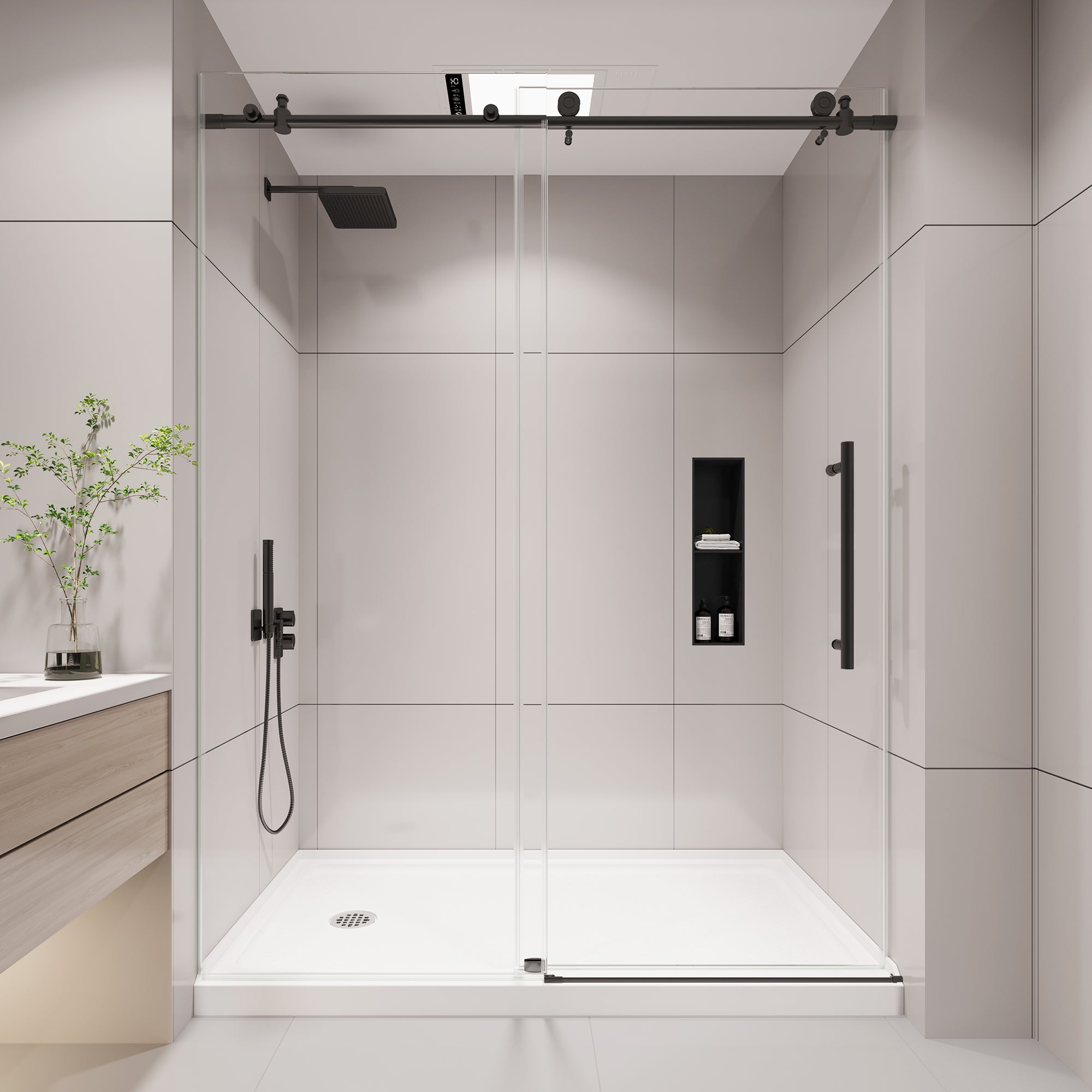
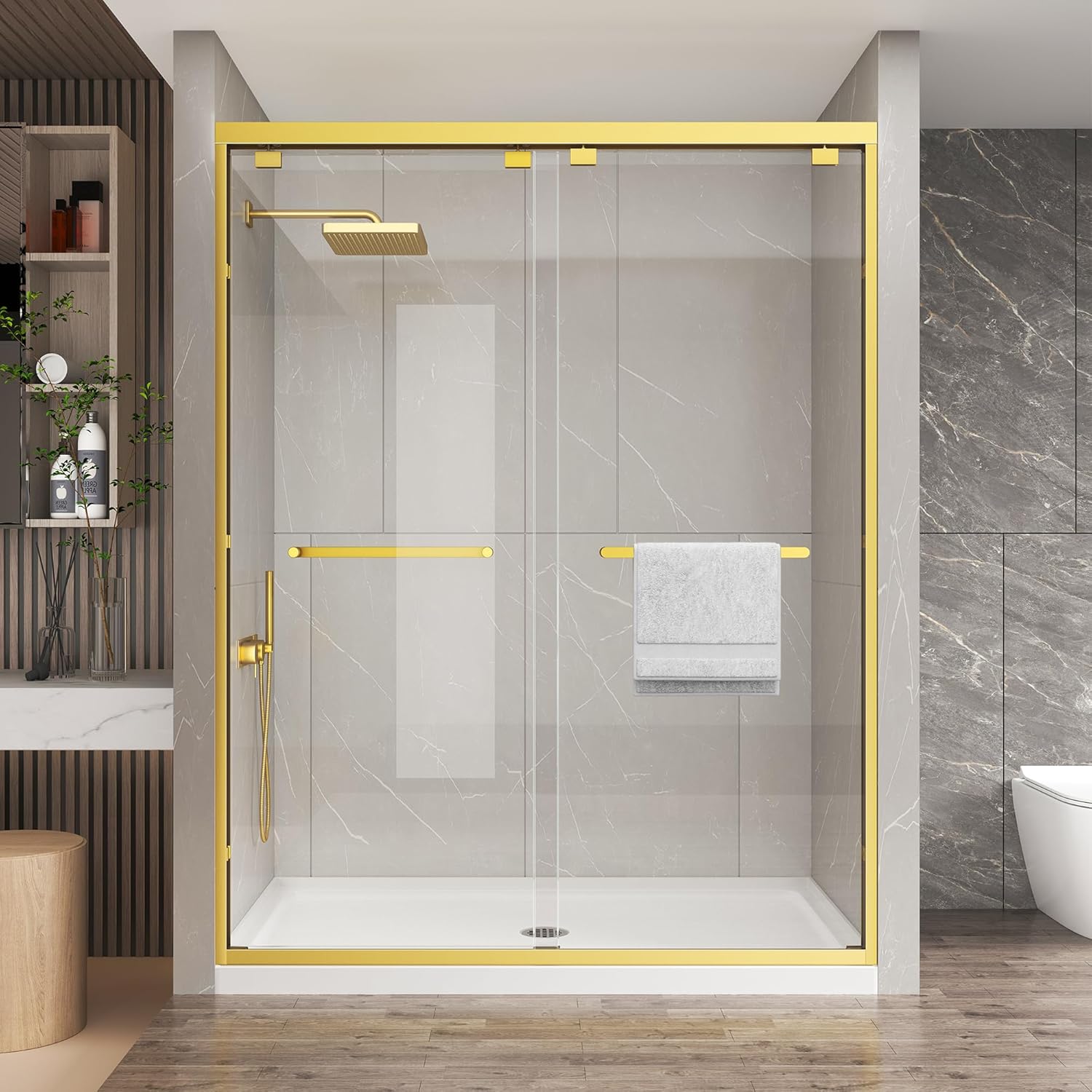
Scratches on an acrylic shower base are one of the most common complaints I hear from homeowners during and after a remodel. Acrylic is lightweight, warm underfoot, and available in lots of colors and textures — that’s why it’s everywhere in 2026 bathroom renovations — but it’s softer than tile or cast iron. The right cleaning routine, protection during construction, and correct installation details will keep the surface looking new for years. Below I share field-tested tactics, code-aware tips, and the short answers you need to stop scratches before they start.
Quick Answer (Featured Snippet Friendly)
Short answer: Prevent most scratches on an acrylic shower base by (1) avoiding abrasive cleaners and scrubbing pads, (2) installing non-slip mats or textured liners, (3) protecting the base during construction with a sacrificial covering, and (4) ensuring the base is properly supported with the correct curb slope and level tolerances. For light surface scratches, use progressive wet-sanding starting at 1500 grit and finish with a proper acrylic polish.
Why Acrylic Scratches (and Where They Happen)
Acrylic is a thermoplastic sheet bonded to fiberglass backing in many prefab pans. It has advantages — warmth, color consistency, and impact resistance — but it scrapes easier than ceramic. Common scratch causes I see on jobsites:
- Abrasive cleaners or green pads used by homeowners or contractors.
- Heavy tools dropped during construction or remodeling.
- Sand and grit tracked in on shoes or pets.
- Improper support under the pan causing flex and localized wear.
Adjacent conditions also matter: out-of-plumb walls that force glass doors to bind against the curb, or improperly sized doors that rub the threshold, can create repetitive abrasion. When you install a frameless door, remember typical tempered glass thickness is 3/8" to 1/2"; that glass shouldn’t be allowed to scrape the acrylic edge. For standards and professional guidance, see the NKBA industry resources NKBA and code references at the ICC website ICC.
Daily Prevention & Cleaning
Daily care is the cheapest way to prevent scratches. I recommend a routine homeowners can actually follow.
- Use mild cleaners: liquid dish soap or a pH-neutral bathroom cleaner applied with a soft cloth.
- Avoid abrasive tools: no steel wool, no green scrub pads, no gritty powders.
- Rinse grit away: hose down or squeegee after each use to remove sand and mineral particles.
- Use mats sparingly: a soft silicone mat or textured liner prevents small grit from contacting the surface; remove and clean underneath regularly.
Products to avoid: powdered cleansers, bleach with scouring pads, and solvent-based gels that can dull the acrylic gel coat. When recommending cleaners to clients I tell them to test on an out-of-sight area first — and always read manufacturer care instructions.

Installation Best Practices to Prevent Scratches
Many scratches happen before the homeowner ever uses the shower. Protect the acrylic during every phase of the remodel.
- Cover the base during demo and tile work — use a rigid protective board or heavy-duty cardboard taped to the curb. Drop cloths trap grit underneath; a rigid shield keeps tools off the surface.
- Support the pan correctly — follow the manufacturer’s bed recommendation (often sand, mortar, or a manufacturer-specified support cradle). I’ve pulled acrylic pans where a lack of support produced flex and micro-abrasion along the drain area.
- Verify curb slope and threshold clearance — typical curb slope should direct water to the pan without allowing doors to contact the surface. Check rough-in dimensions and door geometry to keep a 1/8" to 1/4" clearance between glass and acrylic edge whenever possible.
- Protect during glass install — if you’re installing a glass door, set felt or adhesive foam on the glass edge and curb while adjusting. That avoids accidental scraping from glass-to-acrylic contact and aligns with tempered glass handling practices per ANSI Z97.1 awareness.
During renovation of older homes I often run into out-of-plumb walls and uneven floors. Those conditions force door and threshold fit adjustments that can place pressure on the acrylic. Plan for shimming, scribing, and field trimming of jambs to avoid creating rubbing points.
Repair & Polishing: Removing and Hiding Scratches
Light surface scratches can frequently be removed without replacing the pan. Here’s the field method I use for minor abrasion:
- Clean the area thoroughly and dry it.
- Wet-sand with 1500 grit silicon carbide paper; work in small circular motions until scratch diminishes.
- Progress to 2000 and then 3000 grit for a finer finish.
- Apply a non-abrasive acrylic polish with a soft pad and buff by hand or with a variable-speed buffer at low RPMs.
- Finish with a wax or acrylic sealant to protect the repair area.
For deep gouges or cracked gel coat, I recommend a professional repair kit or replacement. If the fiberglass backing is damaged or the pan flexes due to improper support, only replacement or structural repair will stop recurring damage.

Real Jobsite Experience: What I See Often
After 20+ years doing on-the-floor work I can tell you the same mistakes keep showing up:
- Unprotected pans during tile work: Tile installers drop grout buckets, accidentally drag trowels, and grit gets ground into the surface.
- Incorrect mortar bed: A pan that isn’t supported evenly will flex when someone stands in the shower; that flex creates stress and localized wear around the drain and corners.
- Door and glass clearance ignored: Frameless doors frequently end up touching the threshold because walls are out-of-plumb or the rough-in didn’t account for the door swing. That rubbing will abrade acrylic over months.
On one remodel in a 1970s bungalow, the old walls were more than 3/4" out of plumb across the shower opening. We shimmed the jambs, re-leveled the curb, and temporarily blocked the pan while the glass contractor dry-fit the door. Those extra steps added a day, but prevented a costly replacement down the road.
Material Comparison Table
| Material | Scratch Resistance | Best Protection |
|---|---|---|
| Acrylic | Moderate — softer gel coat | Soft liners, mild cleaners, construction protection |
| Fiberglass Reinforced Acrylic | Moderate to High (with backing) | Proper support bed; avoid heavy impact |
| Cast Polymer / Cultured Marble | Higher — denser surface | Non-abrasive cleaners, sealed joints |
| Ceramic / Porcelain | Very High — glazed surface | Use grout seals and avoid impact |
Step-by-Step Jobsite Checklist to Prevent Scratches
- Order correct pan size and model for rough-in dimensions; verify drain location.
- Inspect the subfloor and verify level and support per manufacturer specs.
- Install pan and mortar bed (if specified); check for flex.
- Protect pan with rigid shield for all demo and tile work.
- Dry-fit glass/door hardware and confirm 1/8"–1/4" clearance from the pan edge.
- Use soft liners or silicone mats for long-term protection; educate homeowner on cleaning.
Note: Always follow manufacturer installation tolerances. If you see the framing out-of-square by more than a few degrees, account for that in your shimming and trim work. Those little details make the difference between a job that lasts and one that comes back for a warranty call.
FAQ
How do I remove a light scratch from an acrylic shower base?
Use wet-sanding from 1500 grit progressing to 3000 grit followed by a plastic-safe polish. Work small areas, keep the surface wet, and finish with an acrylic-specific protective wax. For best results use a low-RPM buffer or hand-buffing pads.
Will abrasive cleaners permanently damage an acrylic pan?
Abrasive cleaners can dull and micro-scratch the gel coat, which becomes visible under light. Repeated use will degrade the finish. Switch to a mild cleaner and soft cloth; reserve abrasive methods for professional repairs only.
Can I prevent scratches during a remodel?
Yes — cover the pan with a rigid protective board, use tool trays, and get glass installers to temporarily pad glass edges. If walls are out-of-plumb, plan additional time for shimming. These steps are inexpensive compared to replacing a pan.
Conclusion & Product Link
Preventing scratches is mostly about common-sense protection and correct installation. Keep abrasive materials off the surface, protect the pan during every phase of the remodel, and make sure the shower base is properly supported and clear of rubbing glass. If you’re shopping for a replacement or a higher-quality unit designed to withstand everyday use, check the selection of KPUY Shower Bases for models that include thicker acrylic sheets and reinforced backing. Strong planning, simple protective steps, and a bit of on-site discipline will keep your acrylic shower base looking like new for years.

Dejar un comentario
Todos los comentarios se revisan antes de su publicación.
Este sitio está protegido por hCaptcha y se aplican la Política de privacidad de hCaptcha y los Términos del servicio.