
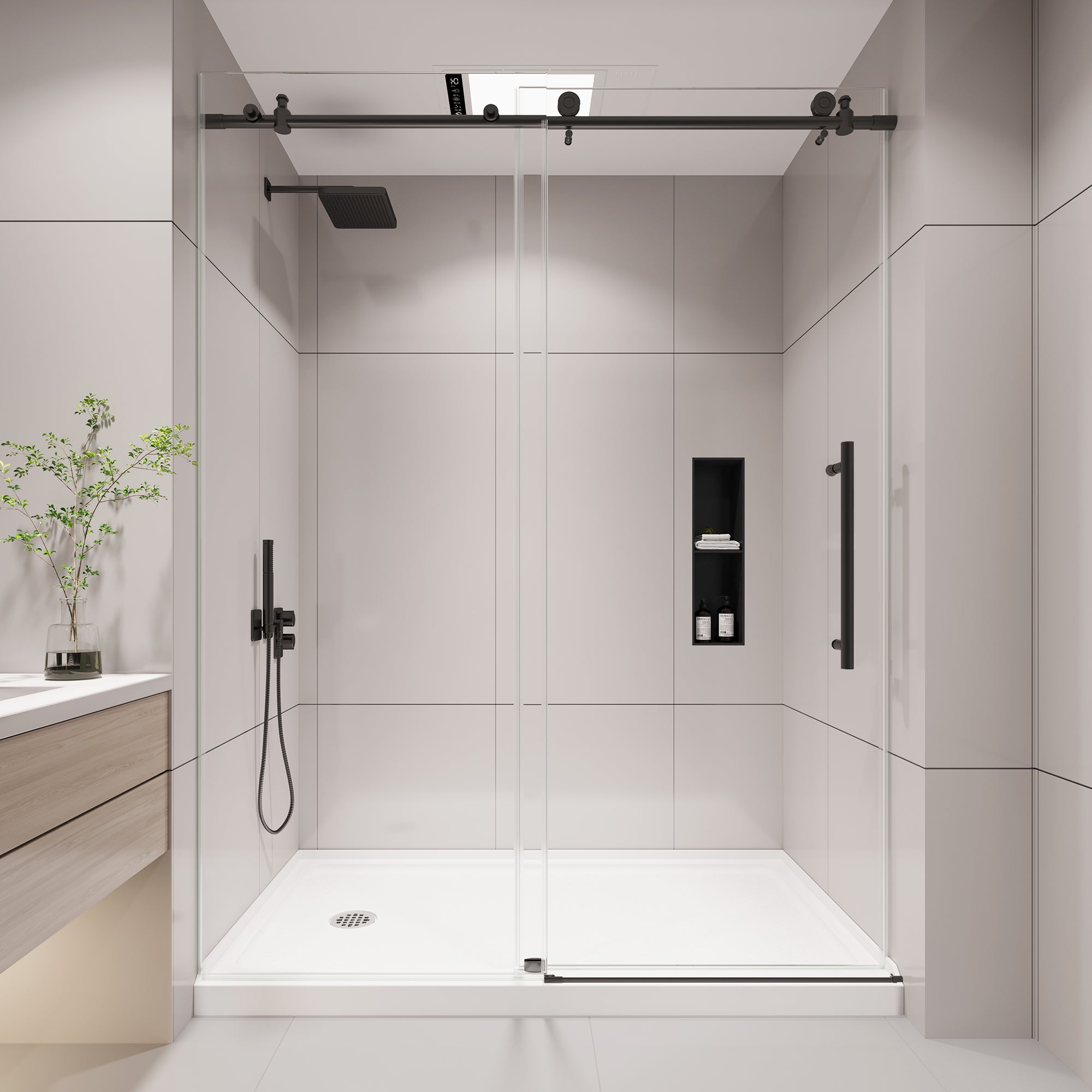
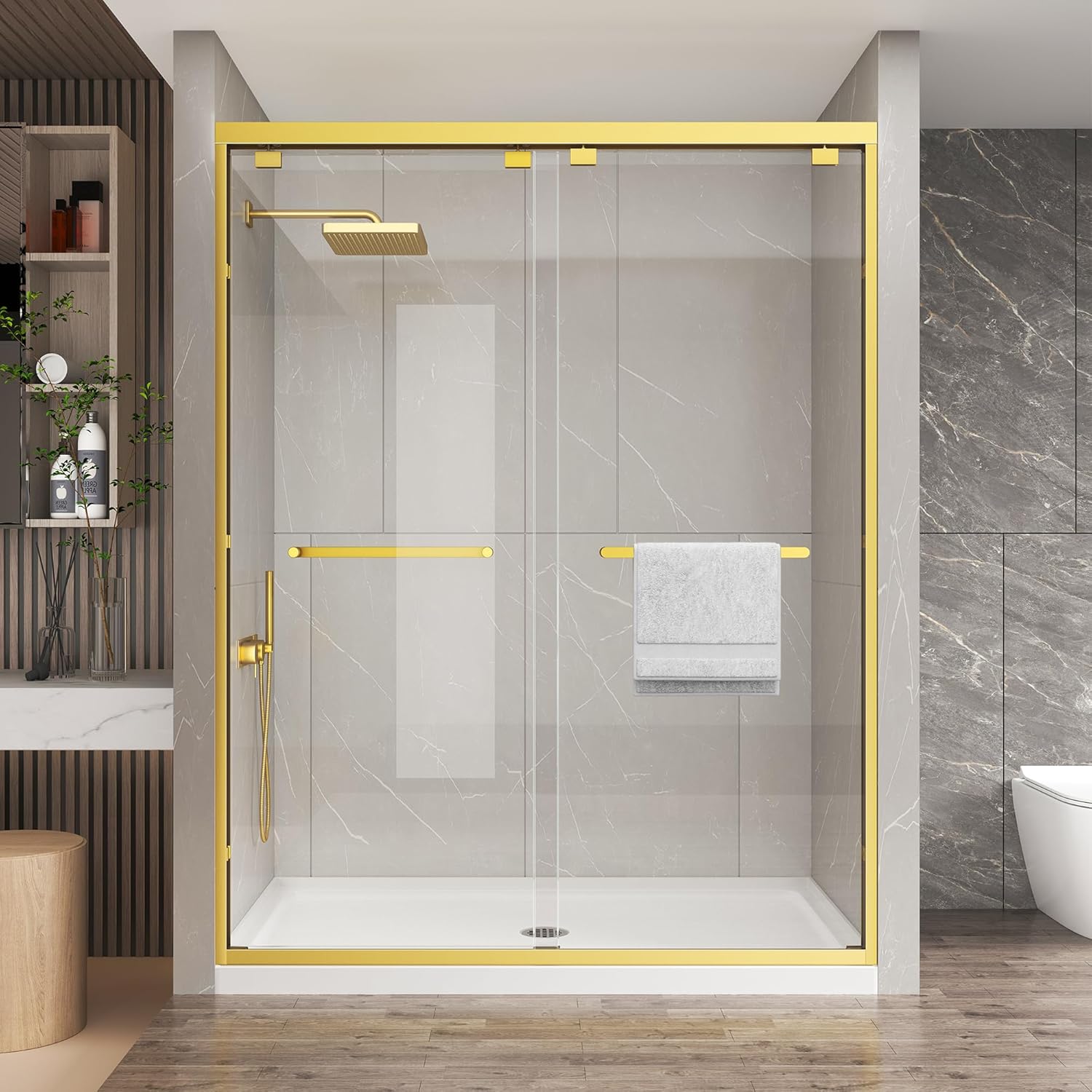
Picking the right bathroom sink for a modern remodel isn’t just about looks. Homeowners want clean lines and low-profile designs for 2026, but the job still lives and dies on measurements, plumbing rough-ins, and installation tolerances. As a contractor with 20+ years on renovation sites, I’ll walk you through the decisions that actually matter—what fits your space, what meets code, and what survives a real household.
Quick Answer
Choose a sink by matching the sink type and mounting style to your counter/vanity size, confirm faucet and drain rough-ins, pick a durable material for daily use, and plan for installation tolerances like out-of-plumb walls and cabinet clearances. That covers the essentials homeowners search for when deciding quickly.
Measurements & Rough-in
Start with the facts on the wall and floor. Measure actual cabinet width, countertop overhang, and the plumbing rough-in. Don’t plan off plans—measure the finished case or the actual site. Common things I check first:
- Vanity width and depth—standard vanities start at 24" wide and 21" deep, but modern shallow vanities can be 16"–18". Match sink width to the usable top.
- Faucet rough-in—centerset faucets are 4" on center, widespread are 8" or greater, and many single-hole faucets require 1"–1.25" deck holes. Measure before buying deck-mounted taps.
- Drain and trap location—most sink drains use a 1-1/4" to 1-1/2" trap; wall-mounted or pedestal sinks have different trap clearances. Confirm the drain center from the back wall.
- Vanity and countertop height—standard is 32" (older homes) and 36" for modern or universal design. Vessel sinks usually need a higher countertop or a lower vessel depth to keep faucet reach comfortable.
If you’re working with an existing rough-in, measure from the finished floor to the center of the drain and to the faucet rough-in. Record those numbers—contractors live by them when ordering sinks or planning carriers.
Sink Types
Modern bathrooms use a handful of sink styles. Each has real trade-offs in installation, countertop requirements, and maintenance.
| Type | Best For | Installation Notes |
|---|---|---|
| Undermount | Clean look, solid-surface counters | Requires solid countertop edge; precise cutout and undermount clips; caulk joint sealed |
| Vessel | Statement pieces, thin counters | Higher countertop or taller faucet; prone to splashing if not sized right |
| Drop-in (self-rimming) | Easy retrofit, laminate tops | Visible rim; less countertop support needed |
| Wall-mounted | Small baths, accessible design | Needs carrier/bracket and correct drain height; exposes plumbing |
| Integrated/solid-surface | Seamless modern look, easy clean | Custom cut; repairable surface; can be expensive |
One practical tip: if you’re pairing sinks with a new vanity, check the drawer or door swing. Undermount sinks reduce drawer depth and can require drawer cutouts. If storage is the driver, consider coordinating with Bathroom Cabinets that accommodate common sink profiles.

Materials & Maintenance
Material dictates how the sink ages and how you care for it. Modern trends favor matte finishes, composite solids, and durable glazed ceramics that hide wear. Below are common choices and what I tell homeowners on the job site.
- Vitrous china/ceramic—most common; resists stains, repairable for chips; heavier for undermount installs.
- Porcelain-enameled cast iron—very durable, classic; heavy and needs strong cabinet support.
- Solid surface/composite—seamless integrated options; repairable and modern-looking but can scratch with rough abrasives.
- Stone (marble/granite)—luxury aesthetic; porous stones need sealing and careful maintenance.
- Glass—works for vessels; tempering and ANSI Z97.1 safety compliance is key, and thickness affects durability (commonly 1/4"–3/8" tempered for vessels).
- Stainless steel—less common in bathrooms but durable and antimicrobial; finish choices matter (brushed hides water spots).
Use a non-abrasive cleaner for all modern finishes. For glass vessels, require tempered glass per safety standards and plan for a minimum of 1/4" thickness—often 3/8" for larger bowls—to avoid flex or chip. For anything that contacts water daily, prioritize a finish you can live with for 10+ years.
Mounting Styles & Clearances
Mounting style affects counter material, faucet choice, and storage layout. Here are practical clearances and tolerances I use on jobs:
- Undermount: leave 1/16"–1/8" gap for silicone bead and thermal expansion; cabinet top must be flat within 1/8" over the sink span.
- Vessel: account for 4"–8" extra height from the countertop surface to keep faucet reach comfortable; recommend faucet spout reach of at least 5" into bowl.
- Wall-mounted: install a carrier system rated for 500+ lbs; set drain center per manufacturer, typically 14"–16" AFF to match trap routing.
- Drop-in: rim requires flat countertop area; typical tolerance ±1/8" on cutout diameter to prevent stress.
And always plan for a 1/4"–3/8" tolerance when templating stone or quartz. Templating too tightly is a common mistake that causes chipped corners and scheduling delays.

Real Installation Realities
On renovation sites I see the same surprises: walls out-of-plumb, cabinets shifted, and previous trades leaving rough-ins off-center. Here’s how I handle them—and how you should plan.
Out-of-plumb walls: Older homes often have walls that lean or are uneven by 1/2" or more. That small tolerance can change how a wall-mount faucet lines up with a sink or how a backsplash sits against the sink rim. When templating for stone tops, always shim and scribe for this variation.
Rough-in deviations: A drain center 1" off can force either relocating the P-trap or swapping to a different sink model. Budget for two kinds of surprises—minor adjustments able to be corrected on site, and major relocations requiring new rough-in work (which adds labor and permits).
Trim and tile interfaces: If the sink sits near tile or a glass screen, leave clearance for grout and caulk. For glass adjacent to sinks—such as small splash panels—confirm tempered glass thickness and edge polish to meet ANSI Z97.1 guidelines. For shower door or screen coordination, look at trusted manufacturers such as NKBA for design guidance and standard practices.
Installation tolerances I use as rules of thumb:
- Countertop flatness within 1/8" over 4' span for undermount sinks.
- Leave 1/8"–1/4" caulk gap between sink rim and tile backsplash to allow for movement.
- Allow 2"–3" clearance from sink edge to wall for faucet handles to operate comfortably unless using wall-mount taps.
Selection Checklist (What I Verify Before Ordering)
- Measure actual cabinet width, depth, and finished floor height.
- Confirm drain center and faucet rough-in heights and centers.
- Verify countertop material and whether it supports undermount installation.
- Decide on sink material based on daily use and maintenance tolerance.
- Check plumbing code implications (trap arm length, ventilation) with your plumber.
- Order templates for stone/quartz cutouts and allow manufacturer tolerances.
- Plan for storage changes—undermount sinks may reduce usable drawer space; coordinate with your vanity supplier or Bathroom Cabinets options.
FAQ
How wide should a sink be for a modern bathroom?
For single-sink vanities: 18"–24" sinks work in 24"–30" vanities; 24"–30" sinks pair with 36" vanities. Allow 4"–6" of counter space on each side for usable surface. Measure your vanity interior and faucet reach before choosing. If you need a quick rule: pick a sink that leaves at least 2" clearance from sink edge to the wall or backsplash and 4" on each exposed side for daily use.
Can I install an undermount sink under laminate?
No—undermount sinks require a solid-surface countertop like quartz, granite, or solid surface that can be mechanically fastened. Laminate needs a drop-in sink or a specially engineered undermount with manufacturer-approved support and a warranty acknowledgment. If you intend undermounts, plan the countertop material early.
Do vessel sinks cause splashing?
They can if the bowl is shallow or the faucet spout is too short. Match vessel depth and faucet reach: deeper bowls (at least 5"–6") and faucets with adequate reach reduce splash. I often test a paper template on-site to see splash patterns before finalizing.
Final Notes
Choosing a sink for a modern bathroom is a mix of style and site realities. Prioritize measurements and rough-in compatibility, pick a durable finish for everyday life, and leave realistic installation tolerances in your plan. If storage or vanity coordination matters, review compatible options from Bathroom Cabinets to make sure sink choice and storage play well together.
If you want industry-standard planning guidance, the National Kitchen & Bath Association is a useful reference for layouts and clearances—visit NKBA. For plumbing code specifics, consult your local code or the Uniform Plumbing Code resources at IAPMO.
Ready to choose your sink? Use the checklist above, verify rough-ins on site, and coordinate cabinets and countertops before ordering. That sequence saves you time, money, and a headache on install day.

Dejar un comentario
Todos los comentarios se revisan antes de su publicación.
Este sitio está protegido por hCaptcha y se aplican la Política de privacidad de hCaptcha y los Términos del servicio.