
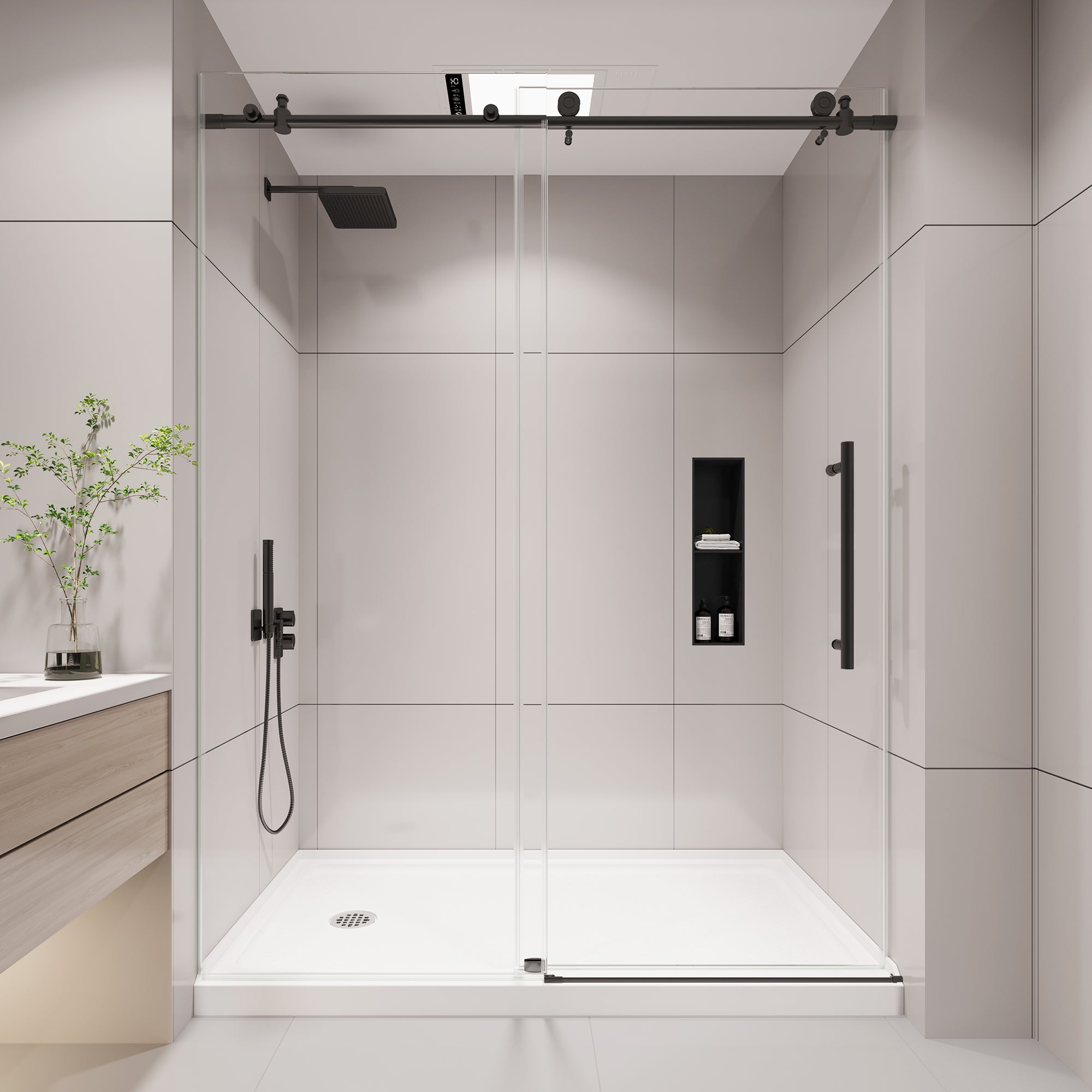
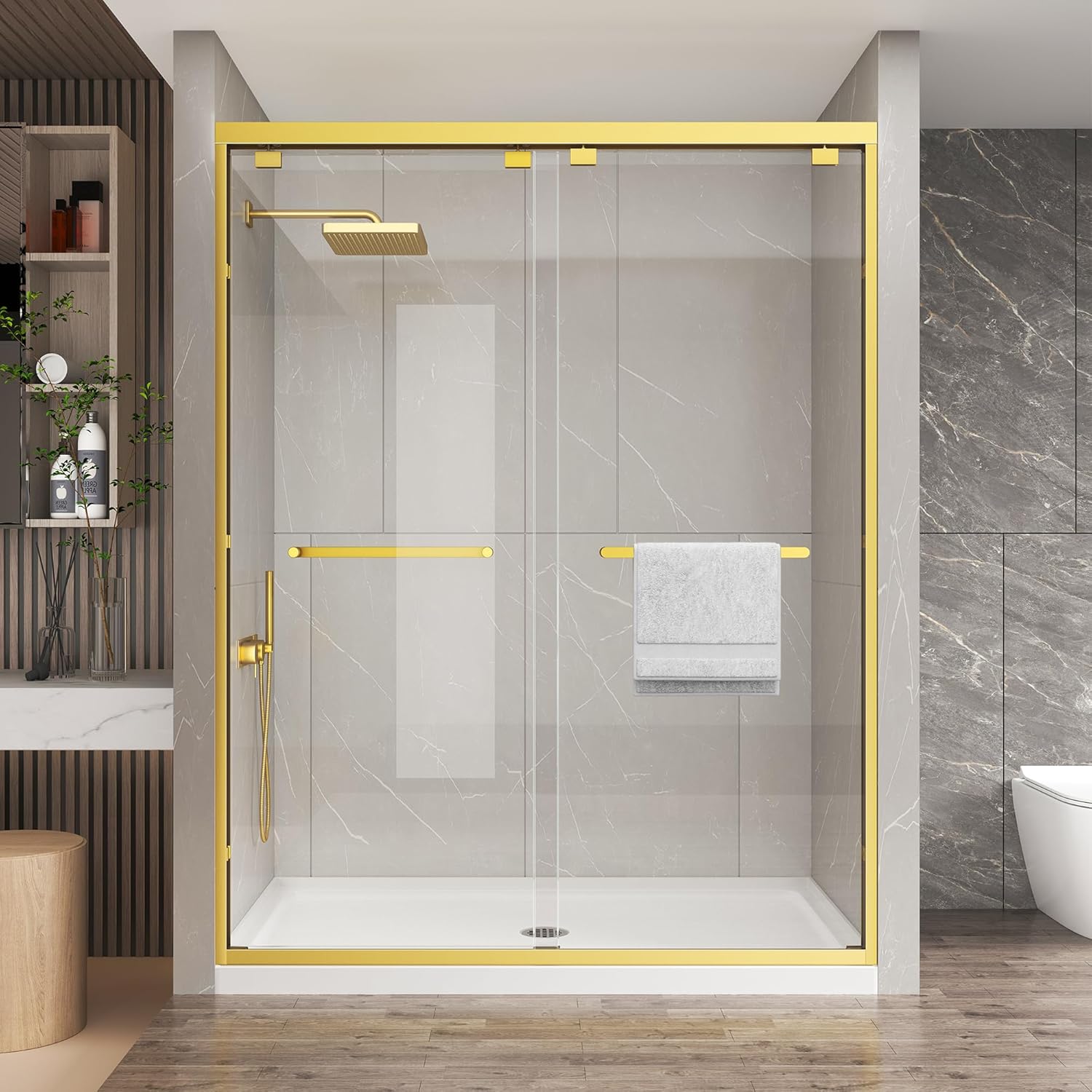
Ordering fixtures online can save time and money, but I've lost count of how many jobs I had to rework because a homeowner ordered the wrong size shower door, vanity, or toilet before measures were verified. The 2026 trend toward sleeker frameless glass, floating vanities, and preformed wet-room panels makes precision more critical than ever. If you want to avoid returns, callbacks, and wasted time, you need a contractor’s checklist—based on real site conditions like out-of-plumb walls, inconsistent rough-in dimensions, and variable curb slopes.
Pre-order Measurements You Must Take
Before you click “buy,” get these measurements. No estimate, no guessing—measure twice, order once.
- Wall-to-wall width at three heights (top, middle, bottom) for any shower or tub opening.
- Floor level/curb height and slope inside the shower. A flat curb or incorrect slope will change the needed pan or door style.
- Rough-in locations for toilet (centerline to wall), faucet supply locations, and drain positions—measure from fixed reference points like the finished wall or the subfloor.
- Clearance for door swing or sliding tracks and any adjacent obstructions (towel warmers, cabinets, windows).
Use a 6-foot level to check plumb at both walls. If walls are out-of-plumb more than 3/8" over 6 feet, you need to plan for either scribe rails, reveal fillers, or custom glass offsets.
Shower Doors & Glass: What to Confirm
Glass is expensive and delicate. A wrong dimension or wrong thickness requirement is an expensive mistake.
Key points:
- Tempered glass thickness—frameless doors commonly use 3/8" or 1/2" tempered glass. Verify the manufacturer’s specified thickness and local code requirements for safety glazing.
- Allow for installation tolerances—most manufacturers require a 1/4" to 3/8" tolerance for adjustments. If your opening is outside those limits you need custom glass or field-modified jambs.
- Hinge clearance and sweep—check the hinge swing and the door bottom sweep needed to seal against water. A low curb or uneven floor can invalidate an off-the-shelf door.
If you’re buying a premade unit online, print the spec sheet and compare every number to your site measurements. For frameless options, consider partnering the purchase with professional templates or field measuring services when available. See options for quality glass products like KPUY Shower Doors for reference.

Rough-in Fixtures: Toilets, Vanities, & Faucets
Rough-in mistakes are the most common cause of a wrong online order. Standard rough-ins exist, but old homes and some new builds vary.
- Toilet centerline—standard 12" from finished wall, but check 10" or 14" in older houses. A toilet base ordered for a 12" rough-in won’t fit a 10" rough-in.
- Vanity rough-in—include plumbing stub height from the floor and location relative to the cabinet back. Floating vanities require blocking and drain offsets.
- Faucet hole pattern—centerset vs widespread vs single-hole determine which sinks and decks are compatible; verify hole spacing before buying a faucet.
Measure to the existing finished surfaces where the fixture will meet them, not to the rough framing. If you're replacing an existing fixture, note any trim or flange conditions that affect fit.
Common Onsite Issues (Real Jobsite Examples)
From two decades in the field: I've seen walls out-of-plumb by over 1/2", curbs poured incorrectly, and manufacturers' spec sheets ignored. These are real issues that cause returns.
- Out-of-plumb walls: A frameless glass door assumes a relatively square opening. If the glass is cut to a perfect rectangle but the wall leans, the door gaps at the hinge or bottom. You’ll need scribing or shim space.
- Rough-in variations: Older homes often shift—floor joists settle and drains move. That 1/2" difference can break the seal on a preformed shower pan.
- Curb slope and waterproofing: Pans that require 1/4" slope per foot won’t live up to their warranty if the contractor installs them on a flat substrate.
A good rule: always leave a 1/8"–3/8" gap for field adjustment on glass and cabinetry. If a product’s spec sheet doesn’t state tolerance, assume you’ll need customization.

Quick Answer: How to avoid ordering wrong fixtures
Measure accurately using finished surfaces, confirm manufacturer tolerances, and account for out-of-plumb/worn conditions—then order with 1/4"–3/8" adjustment room or buy a product with adjustable hardware. If you need a one-line practical routine: measure at three points, check rough-ins, read the spec sheet, and if anything is off, get a template or professional field measure.
Step-by-Step Ordering Process
- Walk the room and note finished wall positions, floor level, and any obstructions.
- Measure critical dimensions at multiple heights and record them on a diagram.
- Compare to spec sheets—pay attention to mounting brackets, hinge tolerances, and drain centerlines.
- Factor installation tolerances—if the spec allows ±3/8", make sure your site falls within that range.
- Decide on adjustability—choose products with adjustable tracks, reversible doors, or scribe options when walls are irregular.
- If unsure, get a template—many reputable shower door suppliers can provide a field measurement service or a paper template.
- Order and schedule delivery to align with the finished substrate and not before the tile or waterproofing is complete.
Reference Table: Typical Dimensions & Tolerances
| Fixture | Typical Dimension | Common Tolerance | Site Check |
|---|---|---|---|
| Frameless shower glass | Width by height (custom) | ±1/4" to ±3/8" | Measure opening at top/mid/bottom for plumb |
| Shower pan | Standard sizes (36"x36", 48"x36") | ±1/8" for solid pans, field-adjustable for curbs | Check drain location from finished wall |
| Toilet rough-in | 12" centerline common | N/A (must match) | Measure centerline to finished wall |
| Vanity depth | 18"–24" | ±1/4" | Ensure countertop overhang clearance |
FAQ
How do I know if my walls are too out-of-plumb for a standard shower door?
Measure the difference at the top and bottom over the door height with a straightedge or level. If the offset exceeds the manufacturer’s tolerance (commonly 3/8" over 6 feet), you’ll need a door with adjustable jambs, a scribed side, or custom glass. When in doubt, get a paper template cut on-site.
Can I order a vanity online without seeing the sink drain location?
Yes, but only if you measure the drain centerline from the finished wall and the supply stub heights from the floor. For wall-mounted or floating vanities, you must confirm blocking and backset dimensions. If the sink has an integrated countertop, verify faucet hole spacing and edge clearance before ordering.
Where can I find official guidance on bathroom dimensions and safety glazing?
For layout best practices and recommended clearances, see the National Kitchen & Bath Association guidance at nkba.org. For glass safety standards like tempered glass requirements, check the American National Standards Institute at ansi.org.
Practical closing: Buying fixtures online isn't risky if you treat the purchase like a construction task: measure accurately, read specs, and build in adjustment space. When you need glass doors that match an imperfect opening or a keyed shower base, plan for professional measurement or order from suppliers who support field templating. For common solutions like quality shower doors, review options from KPUY Shower Doors to compare specs and adjustment features.

Dejar un comentario
Todos los comentarios se revisan antes de su publicación.
Este sitio está protegido por hCaptcha y se aplican la Política de privacidad de hCaptcha y los Términos del servicio.