
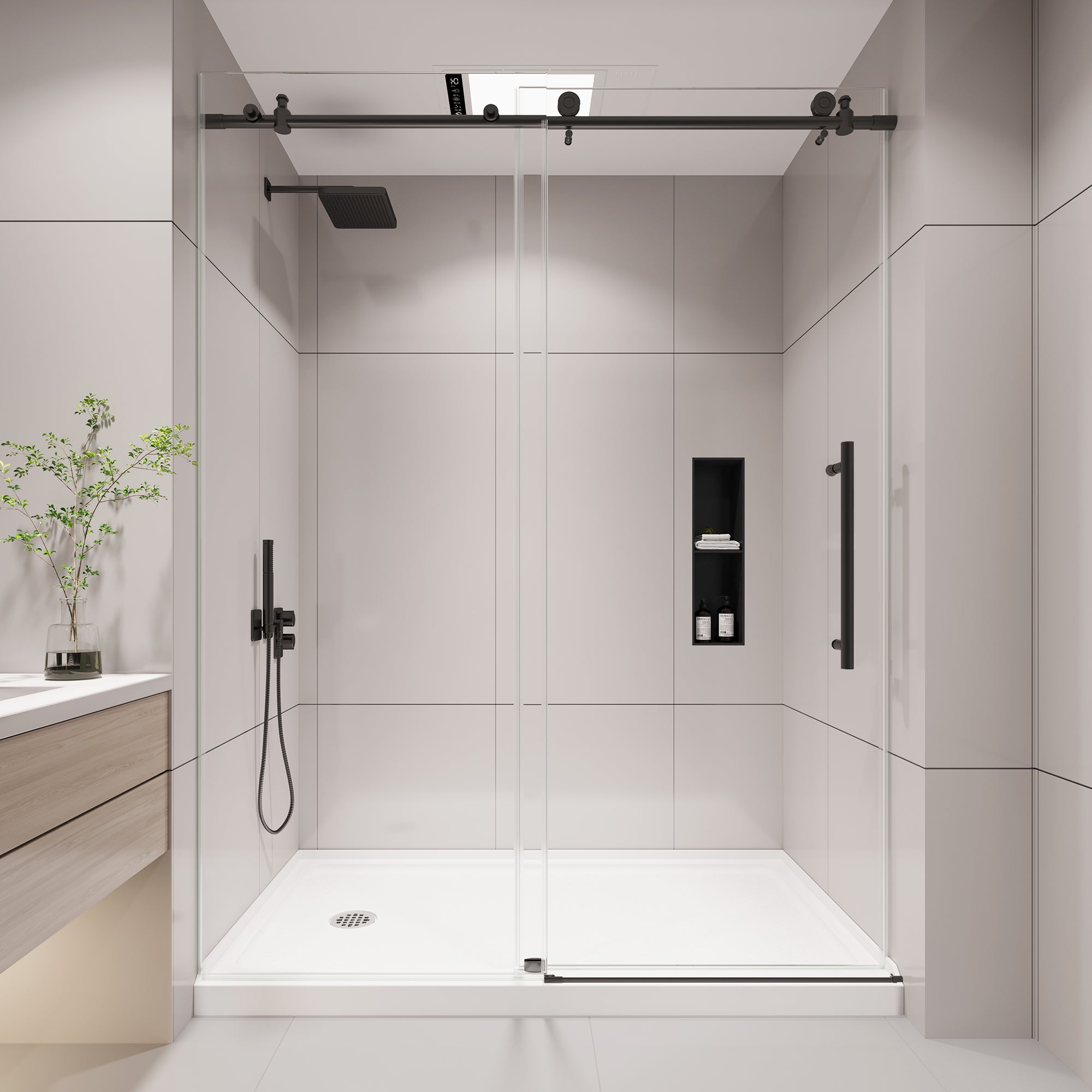
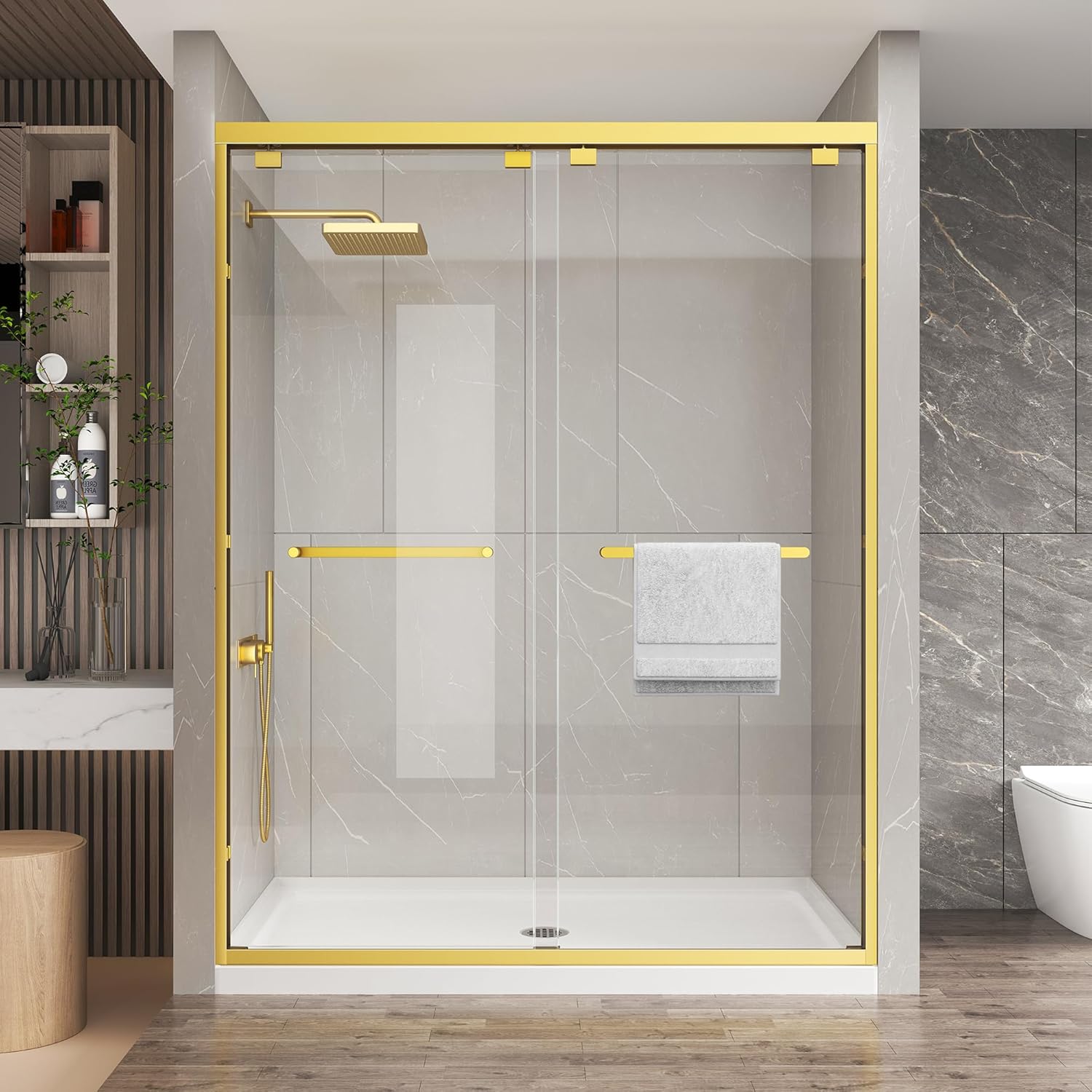
Replacing or installing an acrylic shower pan is one of the fastest ways to update a bathroom without tearing out the whole tile field. Homeowners ask me all the time: what will it actually cost, how long will it take, and what hidden surprises should I budget for? After 20+ years on the tools, I’ll give you straightforward pricing, on-site realities, and the installation tolerances that matter—so you don’t get hit with sticker shock halfway through demolition.
Quick answer: typical cost
Short, direct answer for a featured snippet: Expect a standalone acrylic shower pan to cost roughly $250–$900 for the pan itself, and total installed pricing between $700 and $2,500 for a standard alcove shower in a typical single-family home. Custom sizes, curb conversions, plumbing relocations, or bad framing will push the job into the $3,000–$6,000 range.
That range covers most scenarios and gives you a realistic starting point for bids from contractors or planning a DIY purchase plus professional install.
Cost breakdown (materials, labor, extras)
Below is a practical table showing line-item costs I see on the jobsite. These are U.S. national averages with regional variation—urban areas and high-cost markets trend higher.
| Item | Typical cost | Notes |
|---|---|---|
| Stock acrylic shower pan | $250–$600 | One-piece pans, common sizes 32x60, 36x48 |
| Prefab low-profile or ADA pans | $400–$900 | Slip-resistant finish, drain options |
| Labor (install only) | $350–$1,200 | Includes removal of old pan, set/level, connect drain |
| Subfloor repair / framing | $150–$1,500+ | Rot, leveling, or new plywood / sleepers |
| Plumbing modifications | $100–$800+ | Move drain, replace P-trap, adjust rough-in |
| Tile or wall surround (optional) | $600–$3,000+ | Precast walls cheaper; tile costs vary widely |
Factors that change the price
Several variables affect where your project falls in the ranges above. Think of these as the levers that move the estimate:
- Pan size and style: Standard 36"x60" pans are cheaper than custom-cut or integrated bench pans.
- Drain location and rough-in: If the existing drain location doesn’t align with the new pan, expect plumbing labor to go up.
- Subfloor condition: Water damage, rot, or an out-of-level slab can add framing, plywood or concrete work.
- Installation tolerance: Acrylic pans require a flat, level supporting surface within small tolerances—typically within 1/8" over 48". If not, the pan can flex and crack over time.
- Accessibility: Tight stairs or narrow doorways can require extra labor or special handling fees.
- Warranty & brand: Higher-end manufacturers offer thicker acrylic, reinforced backing, and longer warranties—costing more up front but often saving money over the long run.
How out-of-plumb walls affect the job
Out-of-plumb walls are common in older houses. If the walls are more than 3/8" out over a 6-foot height, you’ll need shims, furring strips, or a leveled backer before attaching a surround. That work adds time and cost but is crucial. Never try to force a rigid surround against a bowed wall — it flexes, gaps, and fails seals at the corners.
For manufacturers and installation tolerances, consult the product literature for each model and the NKBA guidance on bathroom installations. More design and planning guidance is available from the National Kitchen & Bath Association at NKBA.org.

Installation process & tolerances
Here's a concise walkthrough from demolition through final trim, with the tolerances and jobsite checks I use every day.
- Demolition and inspection: Remove old pan, inspect subfloor and framing for rot or damage. Check drain rough-in location and P-trap accessibility.
- Subfloor prep: Replace rotted plywood, install sleepers or mortar bed if required by the pan manufacturer. Verify level within manufacturer tolerance (often 1/8" over 4 feet).
- Dry-fit and drain alignment: Test-fit pan, confirm drain adapter lines up. Acrylic pans need proper bed support—an unsupported pan will rock and crack.
- Set pan: Use manufacturer-recommended bedding material (polyurethane adhesive, thinset in some cases, or a mortar bed for low-profile pans).
- Plumb and leak test: Tighten drain flange per torque spec, test for leaks before finishing walls.
- Finish trim and threshold: Install curb, sealant (use a high-quality silicone), and wall surround or tile backer as specified.
Typical install time for a straightforward replacement is 4–8 hours of labor for a two-person crew. If subfloor work or plumbing moves are needed, add a day or two.
Tempered glass and door clearance
If you plan to add a frameless or semi-frameless shower door after installing the pan, remember to allow for door clearance and threshold height. Tempered glass is typically 3/8" to 1/2" thick for doors; hardware tolerances mean you should leave a 1/4" gap at the sill and 1/8" at sides for adjustment. Measure after the pan is set and caulked.

Real jobsite tips from a contractor
Here are the practical things I tell every homeowner before I bid the job:
- Measure twice, buy once: Confirm rough-in dimensions and pan size. Many returns happen because of one wrong measurement on a narrow entry or odd-sized alcove.
- Expect surprises behind the wall: Old houses usually have plumbing patched multiple times. Budget 10–15% contingency for hidden repairs.
- Don’t cheap out on the drain flange: Use proper drain adapters and a bonded seal to the manufacturer’s flange. Cheap fittings leak over time.
- Check warranties: A thicker acrylic or reinforced backing is worth the extra cost when you plan to sell in a few years.
From experience, a very common issue is out-of-plumb studs and old, uneven mortar beds. I had a 1950s bath where the wall was almost 1/2" out straight over the height of the shower. We had to install furring strips and a cement backer before the new surround—what looked like a simple pan swap turned into a full-day structural correction. Those details matter to avoid callbacks and to ensure the pan sits flat and the drain seals correctly.
For technical code guidance on plumbing rough-ins and drains, the International Code Council has useful references for professionals and inspectors: ICC Safe.
FAQ
How long does an acrylic shower pan last?
With proper installation and support, a quality acrylic pan lasts 10–25 years. Thicker acrylic and reinforced backing extend life. Poor support, improper sealing, and heavy impact shorten it.
Can I install an acrylic pan over existing tile?
Sometimes. If the existing tile and subfloor are sound and level, you can install an acrylic pan over a flat surface, but most manufacturers require a solid, level substrate. Many pros remove the tile to inspect and repair the subfloor—recommended for long-term performance.
Is a shower pan cheaper than tile?
Yes—prefab acrylic pans are generally less expensive up front and faster to install than a full tile shower base and pan liner. Tile provides a custom look but requires more labor, waterproofing, and often costs more overall.
Final notes & where to shop
When budgeting, get at least three quotes and ask contractors to itemize costs for the pan, labor, plumbing, and any subfloor or framing repairs. If you’re shopping for pans online, review dimensions carefully and confirm the drain pattern with your rough-in. For a solid selection of acrylic pans and low-profile bases, check the Shower Bases collection which includes common stock sizes and ADA options: Shower Bases.
Bottom line: For most homeowners replacing a standard shower pan, plan on $700–$2,500 installed. Add contingency for plumbing moves, subfloor repairs, or custom work. If you want a realistic, itemized bid, have your contractor inspect the rough-in and check for out-of-plumb walls, level tolerances, and drain location before you sign off.
Good planning and honest site inspection are the best cost-control measures—don’t sign a quote that treats unknowns as “change orders” waiting to happen.

Dejar un comentario
Todos los comentarios se revisan antes de su publicación.
Este sitio está protegido por hCaptcha y se aplican la Política de privacidad de hCaptcha y los Términos del servicio.