
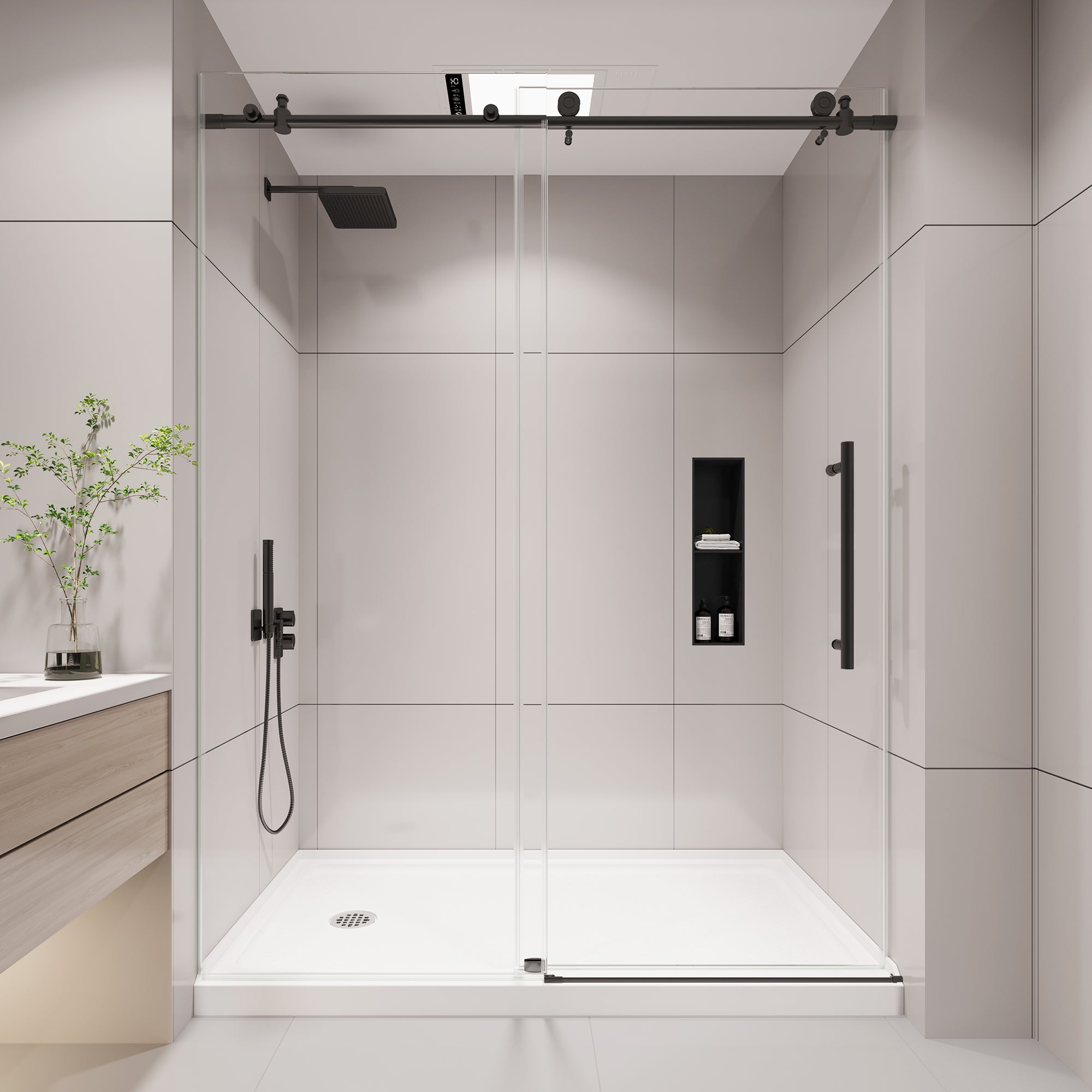
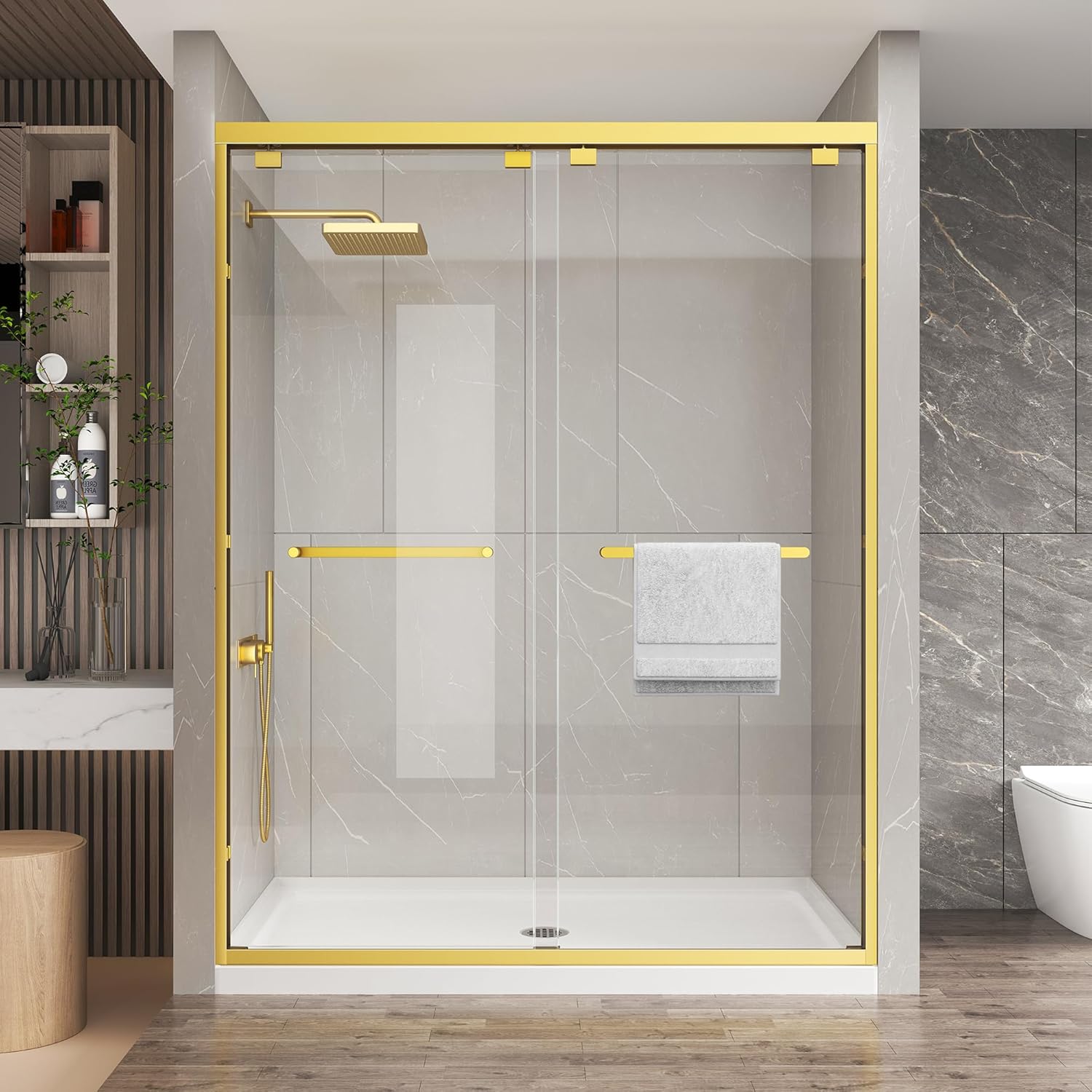
If you want to add a door to an existing tub, the answer is usually yes, but the tub opening, wall condition, and surrounding tile have to support it. The real question is not just whether a door can fit; it is whether the tub deck, wall plumb, and finished opening allow a safe, watertight installation without reworking half the bathroom.
The Short Answer
Yes, you can often put a door on an existing tub, especially if the tub alcove is reasonably straight and the tile or wall finish is in good condition. The common retrofit choices are sliding, pivot, or fixed-panel tub doors. Success depends on the finished opening width, wall plumb, tub rim condition, and whether the door can seal without interfering with fixtures, trim, or the tub surround.
When a Door Can Be Added to an Existing Tub
Adding a door to a tub is common in remodels where homeowners want better water containment than a curtain provides. It also makes sense in bathrooms that are being updated for 2026 planning trends: cleaner sightlines, easier cleanup, and more practical use of a tub-shower combo. The retrofit works best when the tub is standard size, the walls are finished, and the area above the tub is flat enough to support mounting hardware.
If the tub is set in an alcove, the opening usually needs to be measured at the top, middle, and bottom of the finished wall surface. Older homes often have walls that are not perfectly plumb, and that difference matters more than most homeowners expect. A door that fits the old curtain rod width may still be wrong once tile thickness, trim, and any wall correction are included.
For general product planning, a dedicated Bathtub Shower Doors collection is the most relevant place to start because tub doors are built around tub ledges, splash control, and bathroom wall conditions rather than full shower enclosure dimensions.
What to Measure Before You Order
Start with the finished opening, not the old curtain span. If the walls are getting new tile, measure after the wall surface is complete. If the walls are staying as-is, measure from finished face to finished face. A tub door depends on the exact opening, the tub deck height, and the clearance above the tub rim.
Use this order:
- Measure the opening at the top, middle, and bottom.
- Check wall plumb with a level or straightedge.
- Measure the tub ledge depth and rim condition.
- Note any casing, towel bars, or nearby fixtures that could interfere.
- Confirm where the wall studs or solid backing are located.
- Verify the final tile thickness or wall finish thickness before ordering hardware.
A small difference in the tub opening can matter. For example, a tub alcove might measure 60 inches at the top and 59 3/4 inches at the bottom because the walls taper inward slightly. That is normal in many remodels, but it affects glass alignment and seal placement.
| Retrofit Factor | Why It Matters | What to Check |
|---|---|---|
| Finished opening width | Determines whether the door fits without forcing the frame | Measure top, middle, and bottom |
| Wall plumb | Out-of-plumb walls can leave gaps or bind hinges | Use a level on both side walls |
| Tub rim and ledge condition | A cracked or sloped rim can compromise sealing | Inspect for chips, movement, and evenness |
| Tile thickness | Changes the final opening and hardware depth | Measure from finished surface, not substrate |
| Nearby clearance | Prevents door swing or track conflicts | Check toilet, vanity, and trim locations |
Door Types That Work on Tubs
Not every door style fits every tub. The best choice depends on how the bathroom is used and how much room exists outside the tub.
Sliding tub doors are useful where there is no room for swing clearance. They keep water inside well when tracks and seals are installed correctly, and they work well in tighter bathrooms. A sliding setup usually makes sense when the front of the tub is close to a vanity or toilet.
Pivot or hinged tub doors give a wider opening and easier access for cleaning or bathing kids, but they need space in front of the tub. If the bathroom is narrow, the door may hit a vanity edge or reduce usable floor space.
Fixed panel tub doors are often used when the goal is splash control without a full moving door. They work best if the bather primarily enters from one side and the opening does not need to be fully closed off.
For homeowners comparing styles, a broader Bathtub Shower Doors collection can help you narrow the layout before looking at specific hardware details.
- Choose sliding if swing clearance is tight.
- Choose pivot if easier access matters more than floor clearance.
- Choose a fixed panel if you mainly want splash control.
- Check tub rim strength before mounting any hardware.
- Make sure seals align with the tub edge, not just the tile face.
Bathrooms with matte black trim are still popular in 2026 planning, but finish choice should come after fit and function. The door has to work first. Color and hardware style matter, but they do not fix an opening that is out of square.
Installation Issues That Catch People Off Guard
The biggest retrofit mistake is assuming the old tub surround is ready just because it looks finished. A door may need solid blocking behind the wall, especially for hinges or support hardware. Drywall alone is rarely enough. If the wall was opened for plumbing or tile repair, confirm that the mounting area has the right structure before drilling.
Another common issue is the tub itself. A base can look centered, but the drain location may not align with the new door layout or may complicate the remodel if the project also includes a surround update. Even for a simple door retrofit, the tub deck should sit level enough to support a consistent seal line. If the front edge pitches oddly, water can escape at the corners.
Silicone sealing is part of the job, but it is not a substitute for correct fit. The goal is to contain water, not create a heavy bead that hides a bad measurement. Proper sealing along the tub edge and wall joints helps, but the door or panel still has to sit square to the finished surfaces.
Here is one jobsite-style reality: an opening can measure correctly on paper and still fail in the field because the wall bows near the midpoint. That small bow may force the glass to sit proud at one end or leave a visible gap at the other. This is why finished measurements matter more than rough estimates.
Image guidance matters too. If you are planning the remodel visually, a clean tub-door layout usually looks better when the door lines align with the tub edge and the wall tile joints.

Local code and safety rules still matter for glazing and bathroom work. For background on general home safety and bathroom planning, the CPSC is a useful reference, and the NKBA offers practical planning guidance for bathroom layouts and clearances.
Planning Tips for a Cleaner Retrofit
Before you order, decide whether the project is a simple door replacement or part of a larger tub-area remodel. If the tile is being replaced, measure after tile. If the wall finish is staying, inspect for movement, cracked grout, or soft backing around the tub. A door install is much easier when the wall surface is stable and flat.
Think through the room around the tub, not just the opening itself. A pivot door may clear the tub but still hit a nearby vanity or door casing. A sliding door may fit the alcove width but interfere with shampoo niches or trim. These are small details that turn into big frustrations once the hardware is installed.
Glass thickness and hardware depth also matter. Thicker glass and sturdier hardware can look cleaner, but they require accurate wall support and enough clearance to operate without rubbing. If the layout is tight, a simpler door style may be the safer fit.
If your project also includes lighting or storage changes, consider them before the door goes in. Bathroom cabinets, mirror placement, and outlet locations can all affect door swing and service access. A vanity drawer may clear the room but still hit the door casing. A receptacle that is fine on paper can end up behind a panel or within an awkward splash zone.
- Confirm the tub is staying in place and the alcove width is known.
- Measure the finished walls, not the rough framing.
- Check wall plumb and tub level.
- Identify studs or blocking for mounting.
- Verify clearance for door swing or track travel.
- Review seal locations and water paths before installation.
For homeowners starting from a shower-door mindset rather than a tub-door mindset, the main difference is that tub projects focus more on splash control and rim conditions. In that case, the most relevant product group remains Bathtub Shower Doors because those systems are sized around tub use, not a full shower base footprint.

Frequently Asked Questions
Can any existing tub accept a door?
No. The tub, walls, and surrounding space all have to work together. The opening needs to be measured correctly, the wall surface must be solid enough for hardware, and the tub edge should be stable and reasonably level. Some older tubs are fine for a door retrofit, while others need wall repair or a different layout first.
Is a sliding tub door better than a swing door?
It depends on the room. Sliding doors are usually better in tighter bathrooms because they do not need swing clearance. Swing or pivot doors are easier to access and clean, but they need more floor space in front of the tub. If a vanity or toilet is close by, sliding is often the more practical choice.
Do I need to retile before adding a tub door?
Not always. If the current wall finish is flat, secure, and in good condition, a door can often be added without new tile. If the surround is damaged, uneven, or being updated anyway, retile or wall correction should happen first. The final door fit should always be based on the finished wall surface.
Before You Choose
Yes, you can often put a door in an existing tub, but the retrofit succeeds only when the finished opening, wall condition, and tub edge are checked carefully. Measure top, middle, and bottom. Confirm wall plumb. Look at swing clearance, track alignment, and the condition of the tub rim. Those details matter more than the old curtain size or the original tub label.
If you are planning the project now, start with the layout that matches your bathroom, then narrow the hardware style after the measurements are verified. For tub-specific planning, the Bathtub Shower Doors collection is the most relevant place to compare practical options before ordering.
In many remodels, the right door turns a messy splash zone into a bathroom that is easier to use every day. The key is to treat it as a measured retrofit, not a simple add-on.

Dejar un comentario
Todos los comentarios se revisan antes de su publicación.
Este sitio está protegido por hCaptcha y se aplican la Política de privacidad de hCaptcha y los Términos del servicio.