
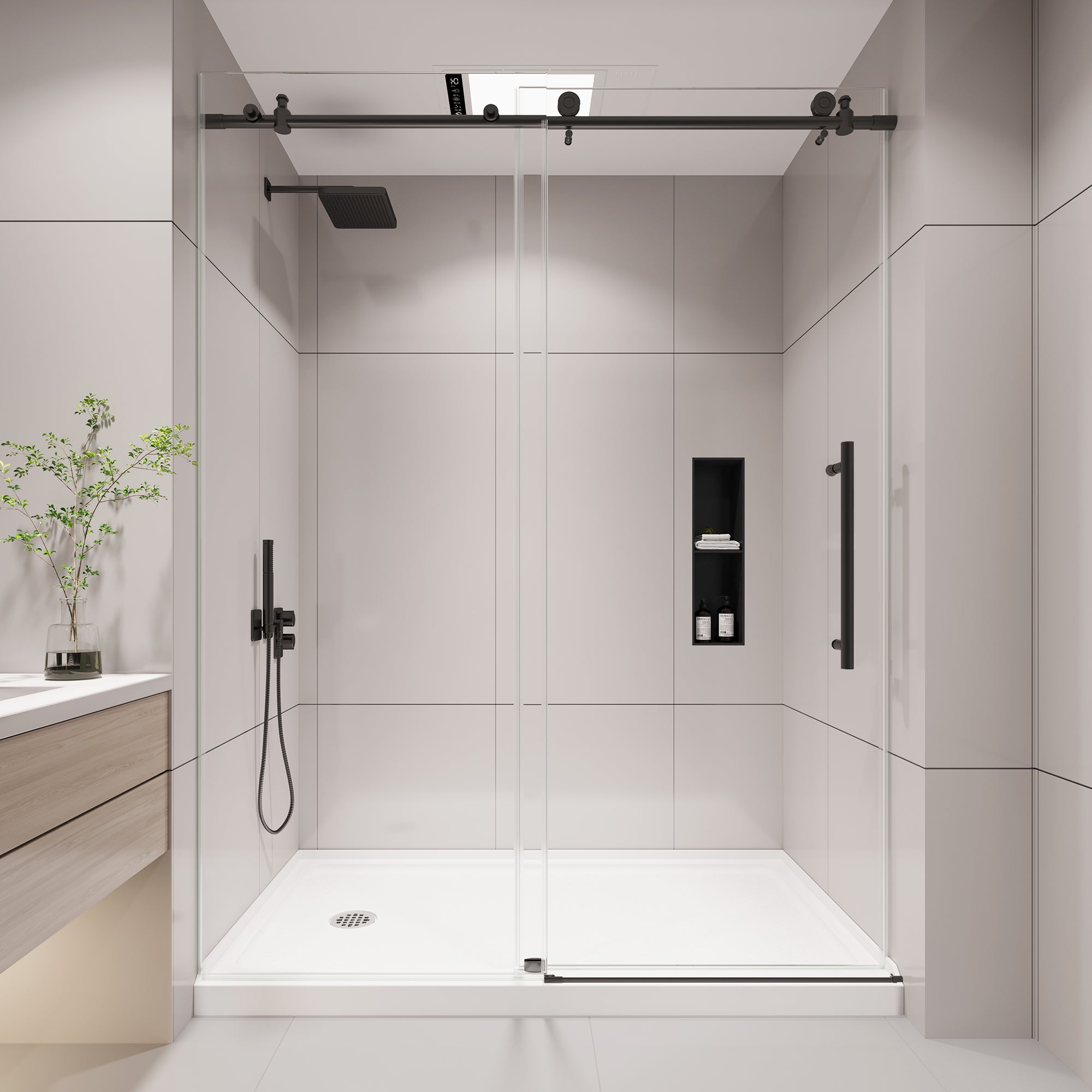

Remodeling a shower often runs into one stubborn question early in the job: can the shower drain be moved to fit a new base? The short, practical reality from two decades on renovation crews is that yes — sometimes easily, sometimes with serious work. Homeowners upgrading to a modern low-profile pan, changing layout to a zero-threshold base, or installing a prefabricated shower pan quickly learn that drain location controls what’s possible. In 2026 the trend is toward low-profile bases and wet-room aesthetics, which increases the pressure to get the drain in the right spot up front. This article walks through the real-world constraints, code considerations, typical costs, and a contractor-style checklist to decide whether to move the drain or change your plan.
Overview: When moving a drain makes sense
Moving a shower drain is often driven by one of three scenarios: replacing a tile mud pan with a prefabricated pan, shifting the drain for a new linear or center-drain style, or accommodating a new door or shower configuration. If your current drain is within a few inches of where the new base requires it, a plumber can usually reposition the trap and stub out the drain at the correct location. If the drain must move several feet, or the plumbing is cast-iron or in a concrete slab, the job gets more invasive.
Important trade-offs: ease and cost depend on the floor type (framed floor vs. slab), pipe material (PVC vs. cast iron), and the required finished-floor to top-of-trap elevation. Also remember that many prefab bases have fixed drain centers — confirm the base’s rough-in before demo.
Quick answer (featured snippet)
Short answer: Yes — a shower drain can be moved, but feasibility and cost depend on floor construction and how far it must be moved. For framed floors with accessible joist bays a move within the bay or across one bay is straightforward. For concrete slabs or cast-iron systems expect structural work or slab core-drilling and higher cost. Always confirm rough-in offsets and slope requirements with your plumber before buying a new base.
Checklist to determine next step:
- Measure distance from existing drain to new drain center required by the base.
- Verify subfloor type and access under the shower.
- Check pipe material and trap configuration.
- Confirm code/permit requirements with local building department.
Key factors that determine feasibility
There are predictable constraints I point out at the first site visit. A few of the most common are:
- Subfloor type — framed floor with joist access is easiest; concrete slab is hardest.
- Distance — small offsets (a few inches to a foot) are routine; several feet can mean cutting joists or chasing slab.
- Pipe material — PVC/ABS is straightforward; cast iron requires specialty cutting and couplers.
- Trap depth and slope — maintain at least 1/4" per foot slope to main; trap weir must be at the correct height relative to the finished base.
- Vent and fixture layout — moving a drain can change venting requirements or create negative effects on other fixtures if not handled correctly.
Also pay attention to shower door and glass clearances — tempered glass thickness (commonly 3/8" or 1/2" for frameless doors) and threshold placement affect where the base can sit relative to walls and drain. If the wall is out-of-plumb by 1/2" or more — a common real-life issue — your door and base layout will need additional adjustments.
How a drain move is done — practical steps
The exact method changes with the situation. Below is the typical process for a framed floor, which is the most common and least expensive route.
- Verify product rough-in: Confirm the new shower base drain center. If you’re using a prefab pan check the manufacturer’s tolerances — some pans accept +/-1/2" while others are fixed.
- Open and assess: Cut the subfloor and inspect joist bays, pipe routing, and trap assembly. Look for obstacles: electrical runs, HVAC ducts, or blocked joist bays.
- Plan the run: If the drain only needs a small offset, use a long-turn fitting or an offset trap adapter. Larger moves may require re-routing the waste line with new 2" run of PVC and proper fittings.
- Adjust the trap: Set the trap weir so finished base drain height will match the trap. For most modern showers a 2" trap is standard — older homes may have 1 1/2", and I recommend upgrading to 2" if possible for performance.
- Test slope and water-tightness: Ensure the new run has a continuous 1/4" per foot slope downhill to the main drain and pressure-test the assembly before closing up.
- Reinforce and close: Repair or sister any cut joists, install blocking, then replace subfloor with appropriate material and thickness so the finished curb and tile or pan sits level and to manufacturer specs.
When the drain is on a slab the steps are different: locate existing sanitary line with camera or drawings, core-drill a new hole in the slab, run new pipe in the slab or surface-mounted chase, and then tie in with couplings or drop-in fittings. That work usually requires concrete repair and a slab patch. If the plumbing is cast iron you’ll need a plumber experienced in cast iron cutting and solventless coupling systems.
Typical tolerances I work with on-site: maintain at least 1/4" per foot slope; allow 1/2" to 3/4" tolerance on drain center placement for most prefab pans; temper glass clearance usually needs 1/8" to 1/4" per side depending on seal profile.

Real job notes: what crews run into
Here's what I tell homeowners after pulling demo on dozens of bathroom jobs:
- Walls are often out-of-plumb. That affects how a prefab base sits against tile or glass. We sometimes shim bases or plane frames to keep gaps even at glass doors.
- Subfloor thickness varies. Older homes might have 3/4" T&G plywood over subfloor underlayment, while some remodels add backer boards. That changes the height you need to set the drain to meet the new base. Don't assume the old scrape line is final.
- Hidden surprises: plaster keys, buried wiring, or a previous repair in the subfloor. These add time and sometimes require alternative routing for the drain.
- Glass sizing: when a drain move pushes the base forward or back, it affects shower door size. Allow at least 1/4" tolerance per panel for out-of-plumb walls so your tempered glass (3/8"–1/2") can be installed without excessive field cuts.
From experience: if a drain move requires opening adjacent rooms, or cutting major structure, consider whether changing to a different base or sliding the door is a better value. Sometimes buying a custom base or choosing a slightly different door location saves more than the cost of structural plumbing work.

Cost, time and risk table
Below is a practical summary I give customers the first day on site. These are ballpark ranges — your local labor rates and permit costs will change the numbers.
| Situation | Difficulty | Typical cost range |
|---|---|---|
| Framed floor, short offset (≤12") | Low | $300 - $900 |
| Framed floor, >12" or joist work | Medium | $800 - $2,000 |
| Cast iron pipe repair | High | $1,200 - $3,500+ |
| Concrete slab, new core/drill | Very high | $1,500 - $6,000+ |
Time frame: small moves can be done in a day; significant reroutes, slab work, or cast-iron remediation can take several days to a week including inspections and slab cures. Always budget for unforeseen conditions — I typically add a contingency of 10–20%.
Permits, codes and resources
Don’t skip permits. Moving a drain affects the sanitary system and venting, and most municipalities require a permit and inspection. Common code references include IPC/UPC plumbing requirements for trap sizes and slopes. For design and kitchen/bath layout guidance refer to the National Kitchen & Bath Association pages and your local code authority.
Useful resources:
Pro tip: A permit and an inspected plumbing alteration protects you when you sell the house. Buyers’ inspectors often catch non-permitted sewer changes and that can complicate a sale.
FAQ
Can I move a drain to fit a prefab shower base?
Yes, usually. If the move is small and the plumbing is accessible from below the floor, a licensed plumber can offset the drain to match the base center. Confirm the base’s exact rough-in and tolerances before committing.
How far can you move a shower drain without cutting joists or concrete?
Short offsets within the same joist bay (typically under 12") are straightforward. Anything beyond that often requires cutting joists, installing a box, or trenching a slab. Every job is different — measure and let a plumber inspect the subfloor.
Is it cheaper to change the base than move the drain?
Sometimes changing to a different base or choosing a pan with a compatible drain center is the most cost-effective solution. If you’re shopping for bases, review compatibility first — many homeowners pick a prefab that fits the existing drain to avoid plumbing work. See Shower Bases for common models and drain centers.
Wrap-up and next steps
Moving a shower drain is common and doable, but the job ranges from simple to complex depending on subfloor type, pipe material, and distance. Start by confirming the new base’s rough-in and hire a licensed plumber to inspect the framing or slab before purchasing any materials. If you want to avoid heavy plumbing work, consider selecting a shower base that matches your existing drain center — that can save time and money without compromising the updated look. If you're ready to pick a replacement base, browse options for compatible Shower Bases and have your plumber verify the product rough-in.


Dejar un comentario
Todos los comentarios se revisan antes de su publicación.
Este sitio está protegido por hCaptcha y se aplican la Política de privacidad de hCaptcha y los Términos del servicio.