
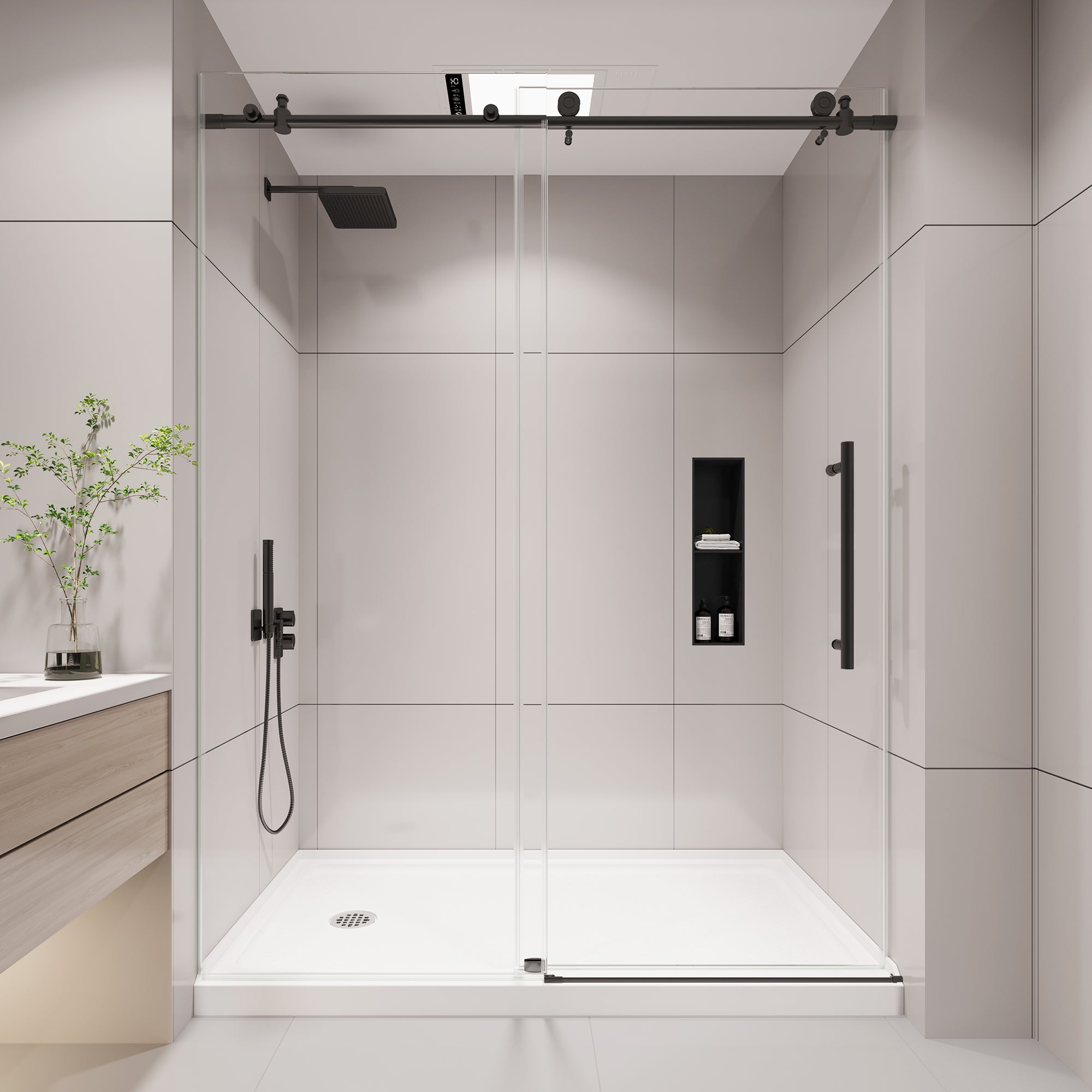
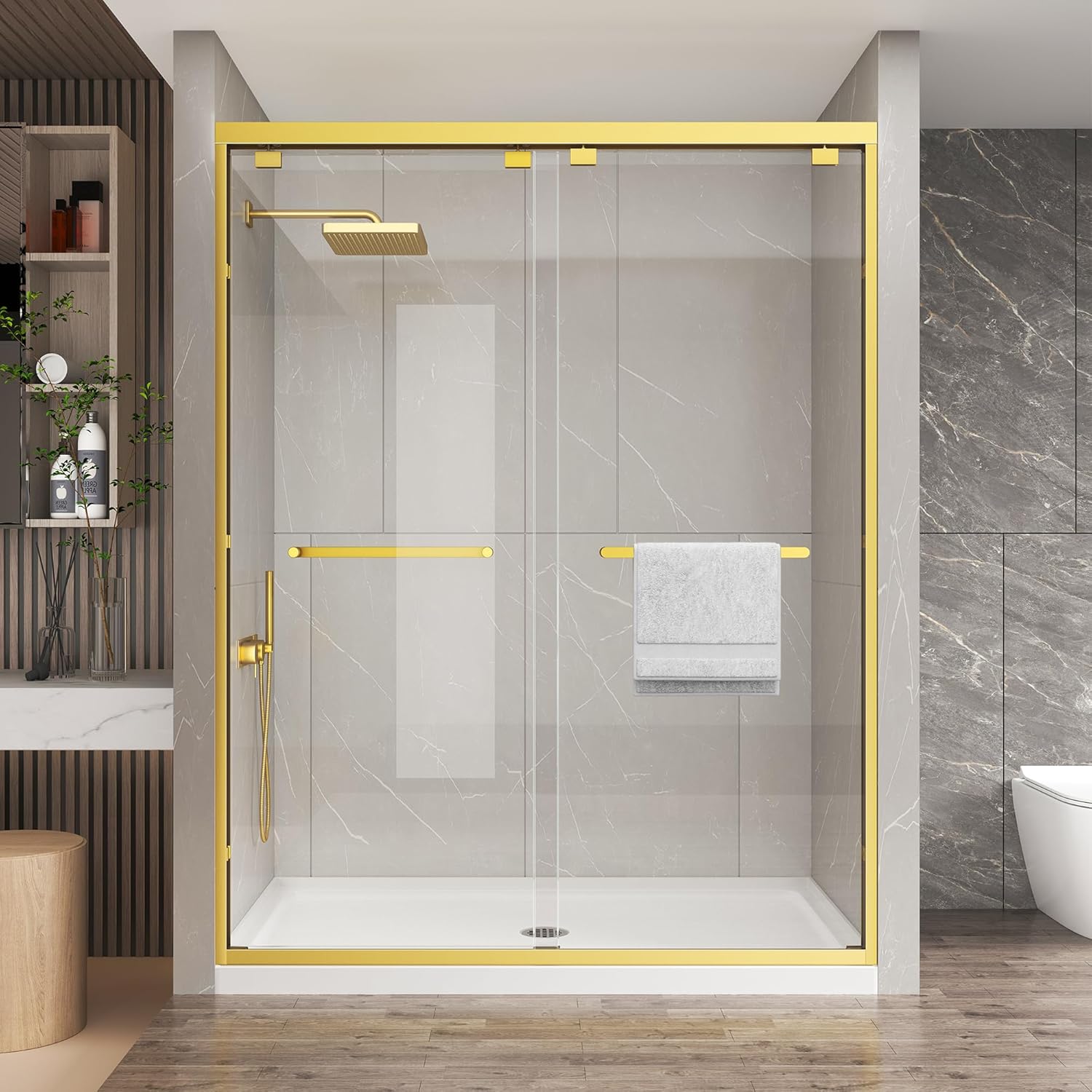
As a bathroom remodeler with more than 20 years on job sites from Cape Cod cottages to Phoenix tract homes, I see the same decision points over and over: tight footprint, out-of-plumb walls, code-required tempered glass, and homeowners who want style without surprises. The right shower door affects water control, cleaning, and long-term performance. This guide cuts through marketing noise and gives practical, field-tested advice for choosing the right shower door style for 2026 homes and remodels.
Quick Answer (Featured Snippet)
Best overall for small bathrooms: framed sliding or bypass doors for minimal swing. Best for modern open look: 3/8" or 1/2" tempered frameless pivot or inline doors with continuous hinges. Best for irregular walls: semi-frameless with adjustable jambs or custom-cut glass. Choose by balancing clearances, water control needs, and whether you can accommodate out-of-plumb conditions.
Shower Door Styles: Pros and Cons
Below are the common door types I install most often. Each has trade-offs on water containment, ease of installation, and field tolerance.
- Sliding (Bypass) Doors — Great when swing clearance is limited. Require a straight track; less tolerant of heavy slope on curb.
- Pocket (Fold-away) Doors — Rare in retrofits but useful in compact baths. Hardware can be more maintenance-heavy.
- Pivot/Hinged Doors — Clean look, good seal if threshold and sweep are correct. Need swing space and careful hinge alignment.
- Frameless Inline Doors (Glass-to-Glass) — Modern, minimal sightlines. Require thicker glass (1/2") and very precise installation tolerances.
- Semi-frameless — A balanced choice: cleaner lines than framed options and more forgiving than full frameless.
- Fixed Panels / Wet-room Screens — Excellent for curbless wet rooms and open-concept showers. Need correct slope and drainage planning.
For product selection and to review dozens of real-world door styles, check out KPUY Shower Doors.

Job-Site Realities: What Every Homeowner Should Know
I won't sugarcoat it: houses lie. Walls that look vertical on a level often aren't. Tile walls shift during installation. Curbs get added unevenly. Here are the recurring issues I plan for every day:
- Out-of-plumb walls: Expect up to 3/4" variance over a 6-foot height on older homes. That affects where glass sits and whether a channel or jamb can be used.
- Curb slope and height: Curbs must slope inward slightly for drainage. Too high and an inward-swing door won't open; too low and water escapes.
- Rough-in conflicts: Valve and drain locations limit door placement. If the drain is off-center, a fixed panel configuration might be best.
- Structural backing for hardware: Tiled walls without proper blocking require surface-mounted anchors or retrofit backing plates.
From renovation experience: I had a 1930s cape where tile set over bowed studs produced a 1" bow across the shower wall. The homeowner wanted frameless glass—so we shimmed, set a continuous metal jamb, and ordered custom-cut glass with a 1/2" tolerance on one edge. That extra planning avoided multiple glass re-cuts and a missed installation window.
Measuring, Clearances & Installation Tolerances
Accurate measuring is the single biggest predictor of a smooth install. Measure at multiple heights—bottom, mid, top—and use a laser level. Note these field numbers:
- Frameless doors: plan on 1/4" to 3/8" adjustment per side depending on hardware; use 1/2" (12mm) glass for spans over 48".
- Semi-frameless: requires less precise walls; hardware absorbs about 1/4" variance.
- Sliding doors: track-track alignment tolerance should be under 1/8" across the entire run or you'll get binding.
Follow a clear measurement checklist on every job:
- Measure opening width at 3 heights and record the smallest dimension.
- Measure diagonal to detect twist or out-of-square.
- Measure finished curb width and height, include tile thickness.
- Confirm valve and trim locations relative to glass panels.
- Order glass after tile is installed unless a prefab surround is used.
On many remodels I'll leave a 1/16"–1/8" glass processing allowance per edge for final trimming. If you attempt to order glass too early, expect callbacks and potential rework.

Glass Safety, Thickness & Hardware
Safety standards and local plumbing codes matter. In the U.S., shower door glass must be tempered and conform to applicable safety standards such as ANSI Z97.1. Tempered glass breaks into granular chunks rather than sharp shards—period.
Common thicknesses and typical uses:
| Glass Thickness | Common Use | Field Notes |
|---|---|---|
| 3/16" (5mm) | Framed sliding doors | Least expensive, more flexible, needs frame support |
| 1/4" (6mm) | Semi-frameless doors | Balanced cost and stiffness; tolerant of minor out-of-plumb |
| 3/8" (10mm) | Frameless for smaller spans | Solid feel, better for pivot doors up to ~48" |
| 1/2" (12mm) | Heavy frameless doors, large spans | Best for modern look, requires beefier hardware and blocking |
Hardware choices affect long-term performance. Look for stainless or powder-coated finishes rated for 304 stainless in coastal climates. Continuous hinges and heavy-duty pivots reduce sag on larger doors. Ask the installer about replacement seal kits—good manufacturers make them available for years.
2026 Design Trends and Finish Choices
For 2026, homeowners are favoring durable surfaces and low-maintenance solutions:
- Matte black and brushed gold finishes remain popular, but choose hardware that hides water spots if you have hard water.
- Textured and lightly frosted glass for privacy without closing the space.
- Minimal framing paired with large-format tile to create a spa-like appearance.
Functionally, we’re seeing more homeowners choose wet-room style walk-ins with a single fixed screen backed by efficient drainage. That approach pairs well with linear drains and careful curb slope planning to meet IPC/UPC plumbing requirements.
Step-by-Step: How to Choose the Right Door
Here’s a field-tested decision flow that I use on every estimate.
- Assess the layout: measure floor space, door swing clearance, and note plumbing locations.
- Check walls for plumb and flatness. If variance > 1/2", plan for frame or blocking.
- Decide on water control level—do you want a tight seal or an open walk-in? This affects threshold choice and door style.
- Pick glass thickness based on span and look: 1/4" for semi-frameless, 1/2" for large frameless panels.
- Choose finish and hardware that match moisture and cleaning needs (stainless for coast, easy-clean coatings if hard water).
- Order only after tile and curb are done, or accept a custom glass lead time if ordering earlier.
Pro tip: If your walls are crooked, a framed or semi-frameless system will save time and money. Frameless looks great but can double the cost in labor and custom glass if the opening isn’t square.
Quick Comparison Table
| Style | Best For | Typical Glass | Field Tolerance |
|---|---|---|---|
| Sliding | Small bathrooms, tub-shower combos | 3/16"–1/4" | Moderate; track alignment critical |
| Hinged/Pivot | Walk-in showers, frameless look | 3/8"–1/2" | Low tolerance for misalignment |
| Semi-frameless | Renovations with imperfect walls | 1/4" | High; hardware compensates for variance |
| Fixed Panel | Wet-room screens, minimalist design | 3/8"–1/2" | Depends on custom installation and curb/drain |
FAQs
Can I install a frameless shower door myself?
Short answer: you can if you have plumbing-level carpentry skills, a helper, and the right tools. But frameless doors require precise measurements, heavy glass handling, and solid backing for hardware. For most homeowners, hiring a pro avoids breakage and alignment problems.
What glass thickness is required by code?
Code requires tempered glass but does not prescribe thickness. Choose thickness based on door size and hardware: typically 1/4" for semi-frameless, 3/8"–1/2" for frameless. Confirm manufacturer specs and local code interpretations. For standards and best practices, see the National Kitchen & Bath Association NKBA and consult the International Code Council ICC for related building code guidance.
How do I handle an out-of-plumb wall?
Use jamb profiles with adjustment, a framed system, or have the tile contractor flatten the substrate. On heavy variances, order custom glass and plan for shims and backing. I usually allow 1/2"–3/4" of adjustability in my project bids for older homes.
Final Notes & Where to Look
Choosing the right shower door is a balance of style, site realities, and long-term performance. Start by measuring and assessing plumb, then match the door style to how the space will be used. If you want to explore real options and compare hardware and glass choices, see the selections at KPUY Shower Doors. When in doubt, plan for slightly heavier glass and more robust hardware if you want a lifetime install that looks tight and performs well.

Ready for the next step? Measure carefully, prioritize safety-certified tempered glass, and consult a qualified installer if your walls or curb are out-of-plumb. The right planning saves time and money on installation day.

Dejar un comentario
Todos los comentarios se revisan antes de su publicación.
Este sitio está protegido por hCaptcha y se aplican la Política de privacidad de hCaptcha y los Términos del servicio.